
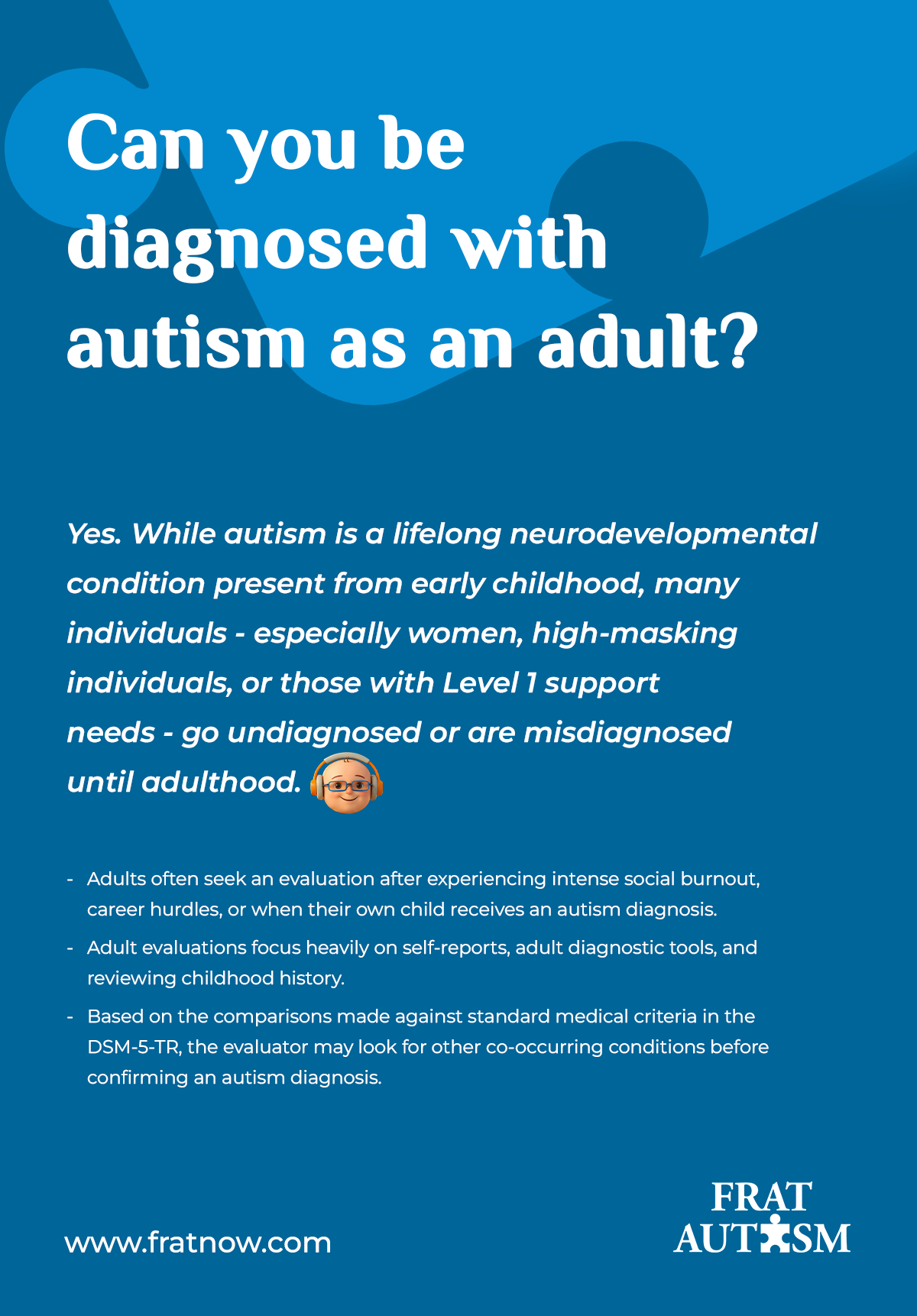
Yes. While autism is a lifelong neurodevelopmental condition present from early childhood, many individuals—especially women, high-masking individuals, or those with Level 1 support needs—go undiagnosed or are misdiagnosed until adulthood.
Why Autism Diagnosis is Sought in Adulthood
Historically, the diagnostic criteria for autism were modeled around school-aged children. However, this changed when the DSM-5-TR (Diagnostic and Statistical Manual of Mental Disorders, Fifth Edition, Text Revision) was published in March 2022, which covered both children and adults in its diagnostic criteria. Today, due to increased awareness of adult autism on social media, many adults are recognizing autistic traits in them and seeking diagnosis.
Trigger for Evaluation: Adults often seek an evaluation after recognizing similar traits in their own children or reflecting on lifelong sensory burnout. Common adult experiences that become triggers for evaluation include:
- Social Fatigue: Constantly feeling like you are acting or masking your behaviors just to get through routine social interactions.
- Sensory Sensitivity: Feeling overwhelmed by background noise, bright lighting, or specific clothing textures that others don’t pay attention to.
- Deep Focus: Thriving on predictable routines and immersing yourself deeply in specific, highly detailed passions.
- Example: A 35-year-old graphic designer constantly suffers from stress and anxiety due to unexpected changes in routines and workplace demands, leading them to seek answers for lifelong feelings of being different.
How the Adult Evaluation Process Works
Unlike children, who are evaluated primarily through structured play, adult evaluations focus heavily on self-reports, adult diagnostic tools, and reviewing childhood history.
- Initial consultation: The evaluation process typically begins by talking to a primary care doctor or general medical practitioner, who can provide a referral.
- Clinical Interviews & Standardized Tools: Licensed specialists (such as adult clinical psychologists or psychiatrists) conduct in-depth interviews using tools like the ADOS-2 (Autism Diagnostic Observation Schedule, Second Edition) to evaluate social communication, sensory sensitivities, and repetitive habits.
- Example: The evaluator notes whether the individual is using natural, expressive body language and hand gestures while speaking.
- Childhood History: Evaluators interview parents, older siblings, or review old school report cards to know if autistic traits were present during their childhood.
Diagnosis and Outcome
The evaluator compares the adult individual’s lifelong behavioral traits against standard medical criteria in the DSM-5-TR. Based on the findings, the evaluator may look for other co-occurring conditions before confirming an autism diagnosis. A formal diagnosis offers certain benefits:
- Validation: Provides an understanding of neurodiversity and an explanation for lifelong social struggles and feelings of being different.
- Access to Support: Unlocks legal protections under the Americans with Disabilities Act (ADA), enabling workplace accommodations (like remote work, written task instructions, or quiet workspaces) and providing clarity for therapy.
- Example: An adult receives a Level 1 ASD diagnosis, allowing them to request a quiet office desk away from fluorescent lights and noise as a formal workplace adjustment.
- Community Access: Gives the individual access to local support networks and communities for autistic adults.
References
- Mayo Clinic: https://mcpress.mayoclinic.org/mental-health/diagnosed-with-autism-as-an-adult-what-to-know/
- US Centers for Disease Control and Prevention: https://www.cdc.gov/autism/hcp/diagnosis/index.html
- Yale Medicine: https://www.yalemedicine.org/news/autism-diagnosis-in-adults
- ADOS-2: https://www.autismtestinginstitute.com/blog/ados-2-explained-the-gold-standard-in-autism-testing
- DSM-5-TR: https://my.clevelandclinic.org/health/articles/24291-diagnostic-and-statistical-manual-dsm-5
- The Kennedy Krieger Institute: https://www.kennedykrieger.org/stories/interactive-autism-network-ian/lost-generation-growing-up-autism-before-epidemic
- National Library of Medicine (Cerebral Folate Deficiency, Folate Receptor Alpha Autoantibodies, and Leucovorin (Folinic Acid) Treatment in Autism Spectrum Disorders) – https://pmc.ncbi.nlm.nih.gov/articles/PMC8622150/
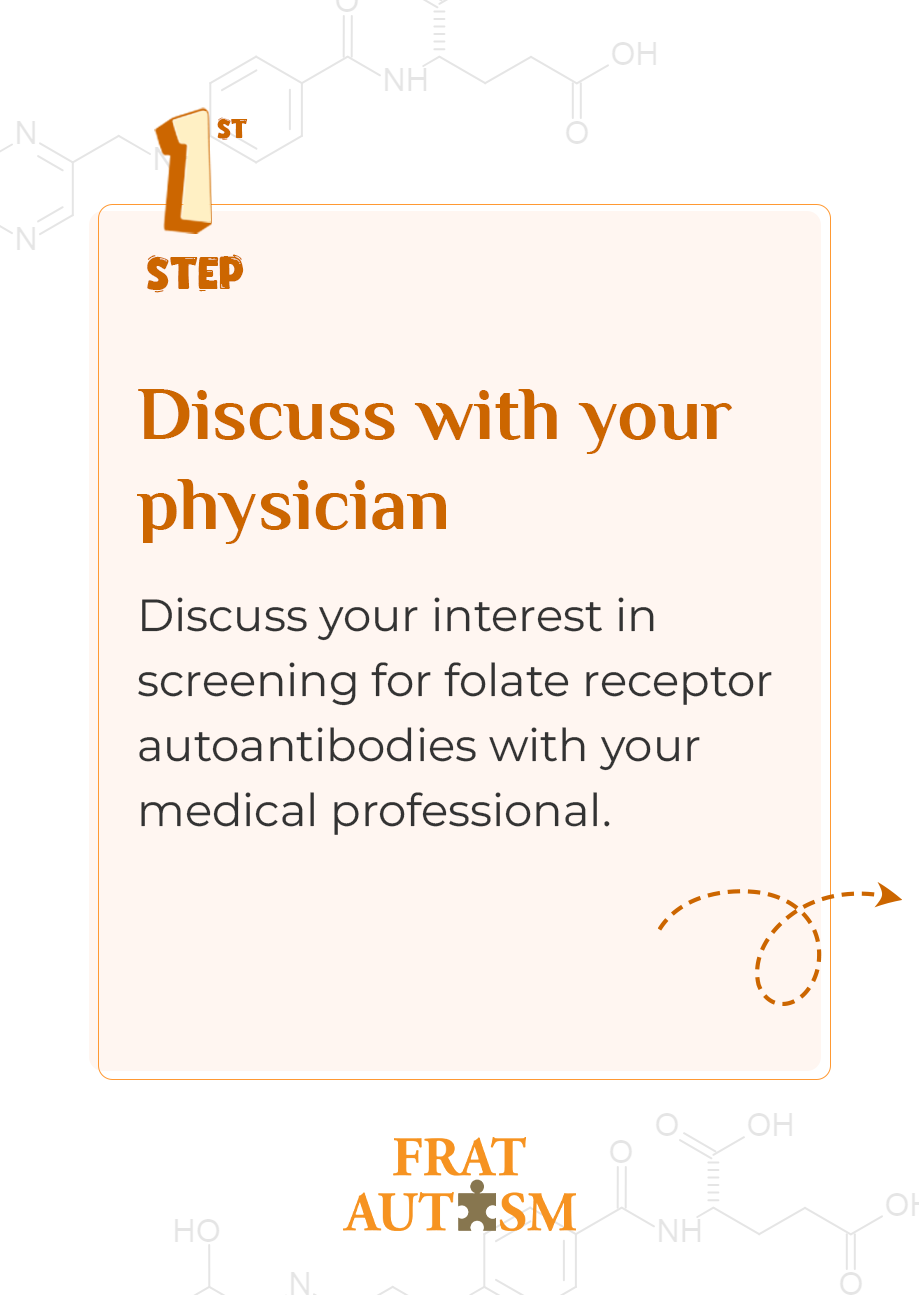
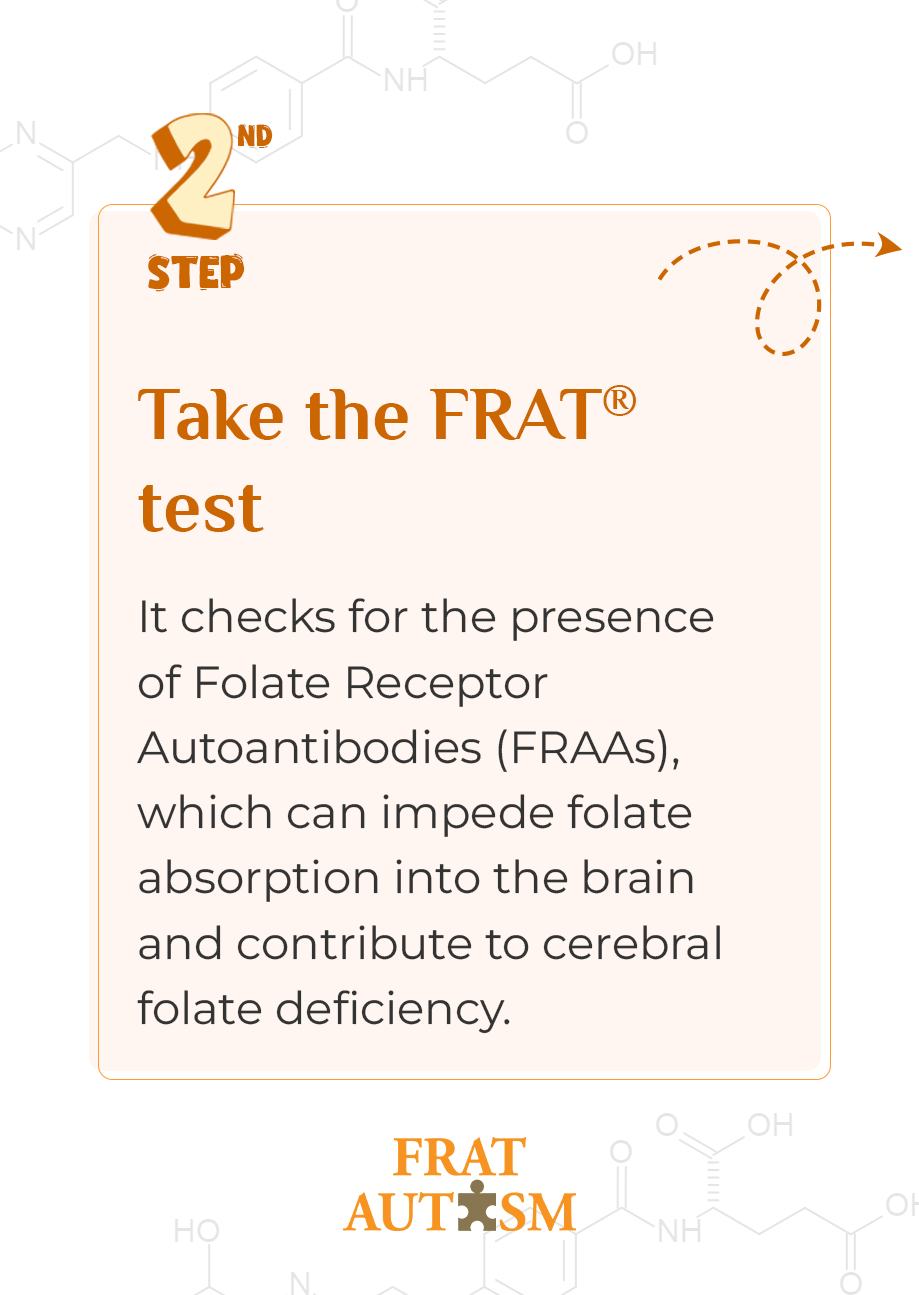
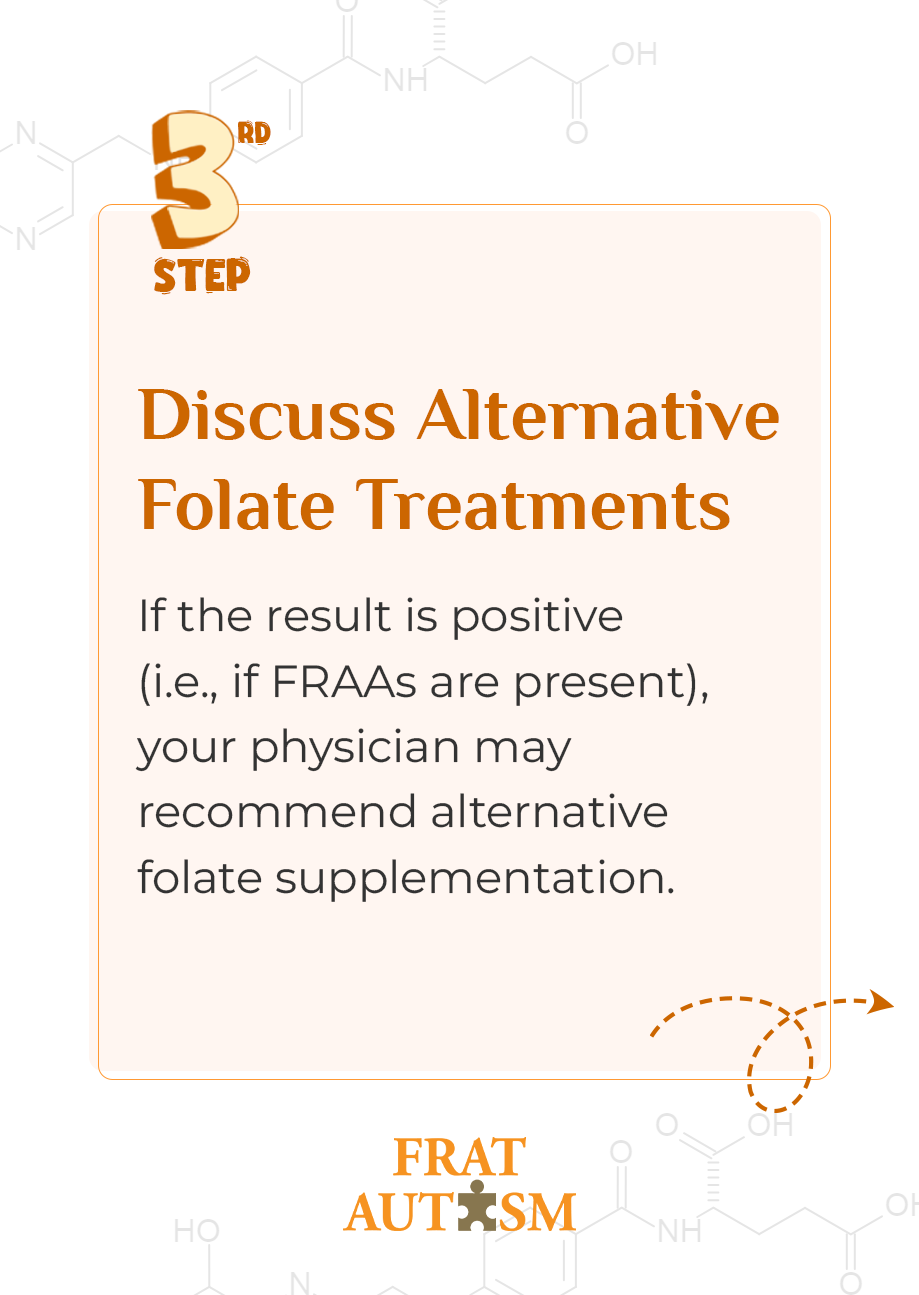
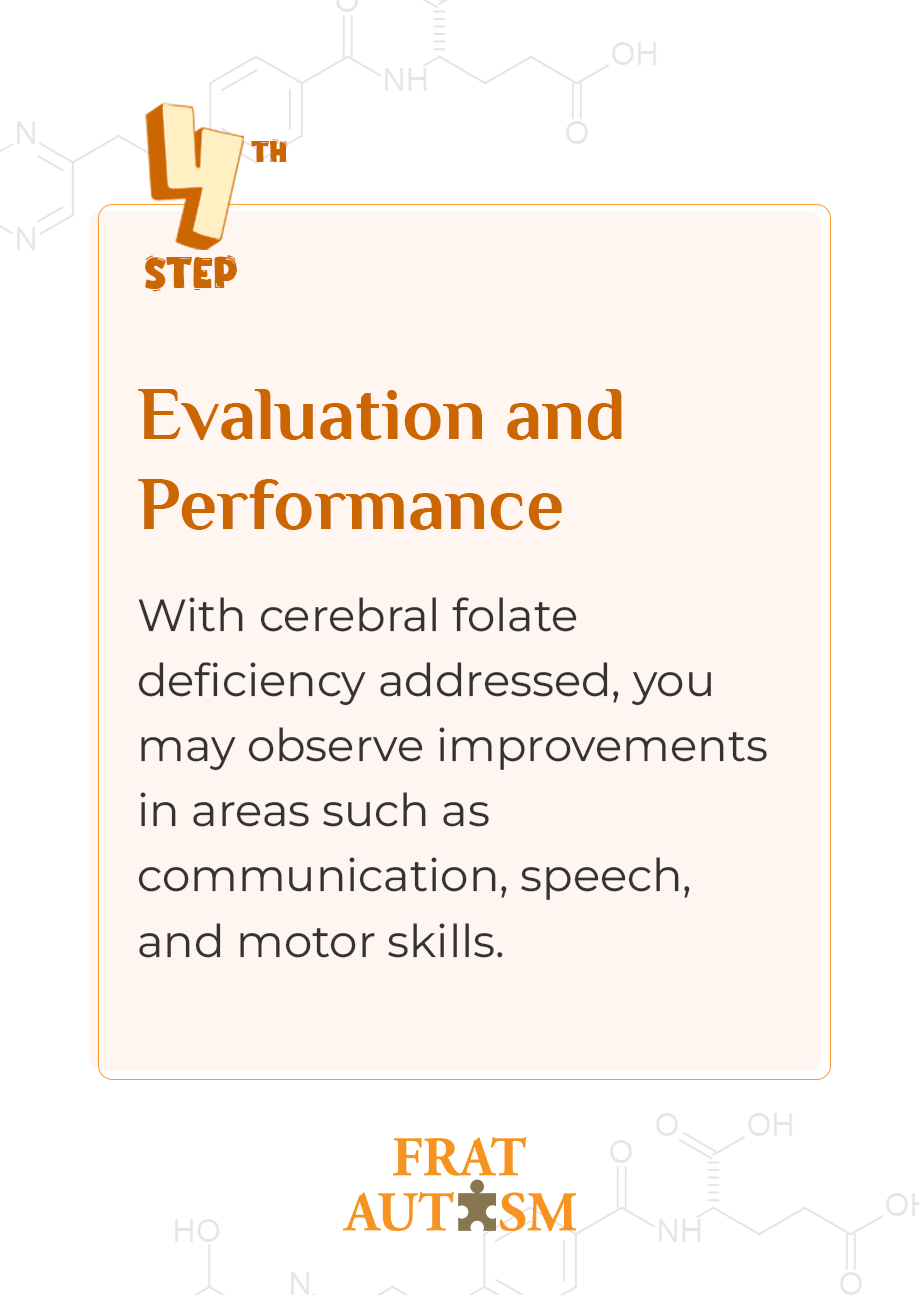
Curious to know if your child has these autoantibodies?
Here’s what you can do:
More Answer For You
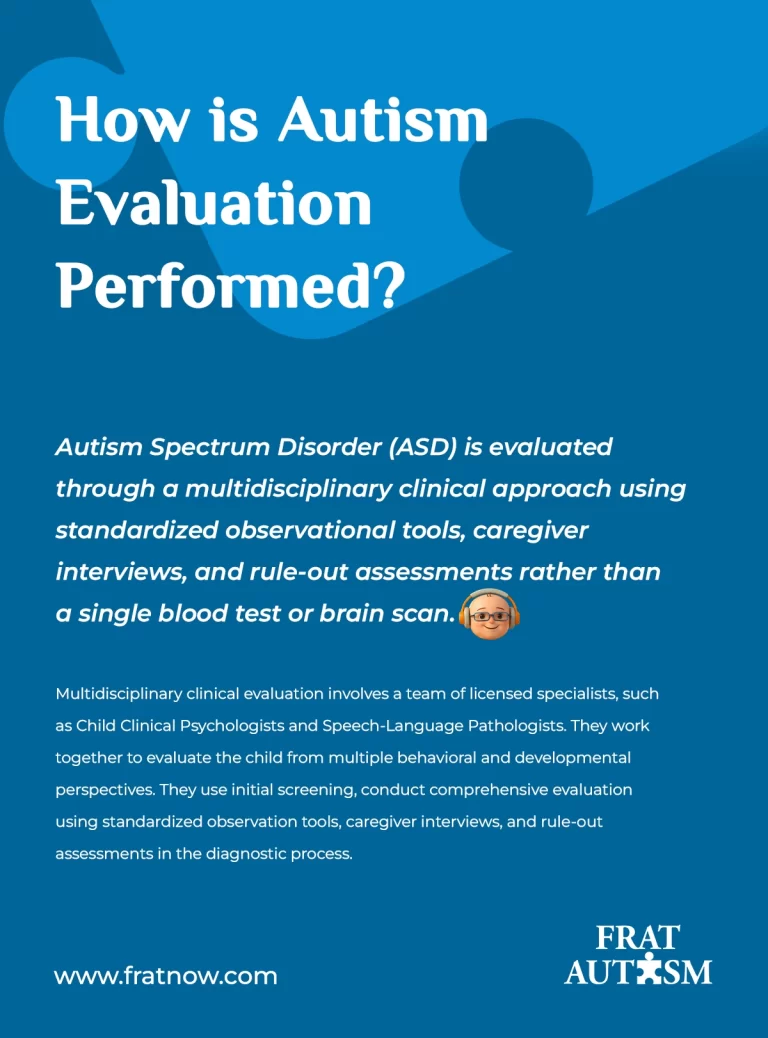
- How Is Autism Evaluation Performed?
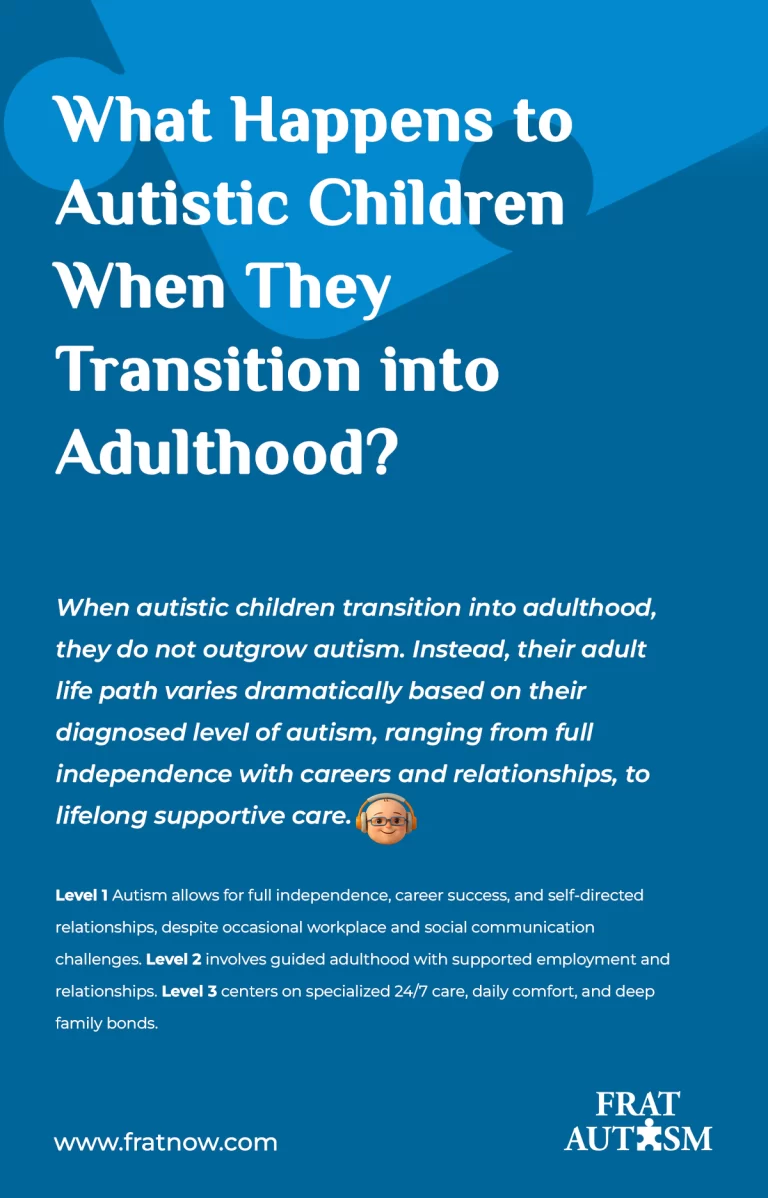
- What Happens to Autistic Children When They Transition into Adulthood?
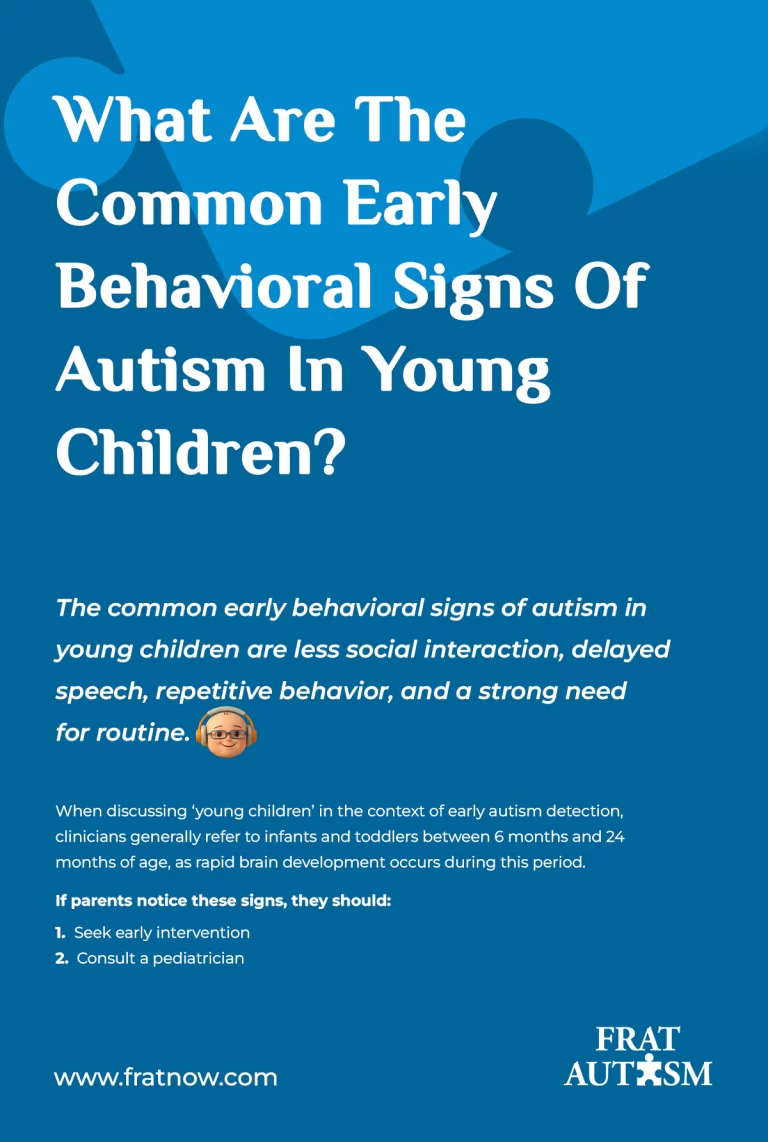
- What Are The Common Early Behavioral Signs Of Autism In Young Children?
- How Do People with Profound Autism Communicate?
- What Type of Doctor Diagnoses Autism?
- How to Support a Child with Autism in the Classroom?
- How To Explain Autism To Kids?
- Can People with Profound Autism Talk?
- What Is Profound Autism?
- Why Is Autism More Common In Males?
Is a Biological Roadblock Holding Back Your Child's Progress?
Don't just manage behaviors - address the underlying brain chemistry.
Identifying Folate Receptor Autoantibodies is the first step towards a more targeted autism care plan.
To request a FRAT® test kit, click the button below.