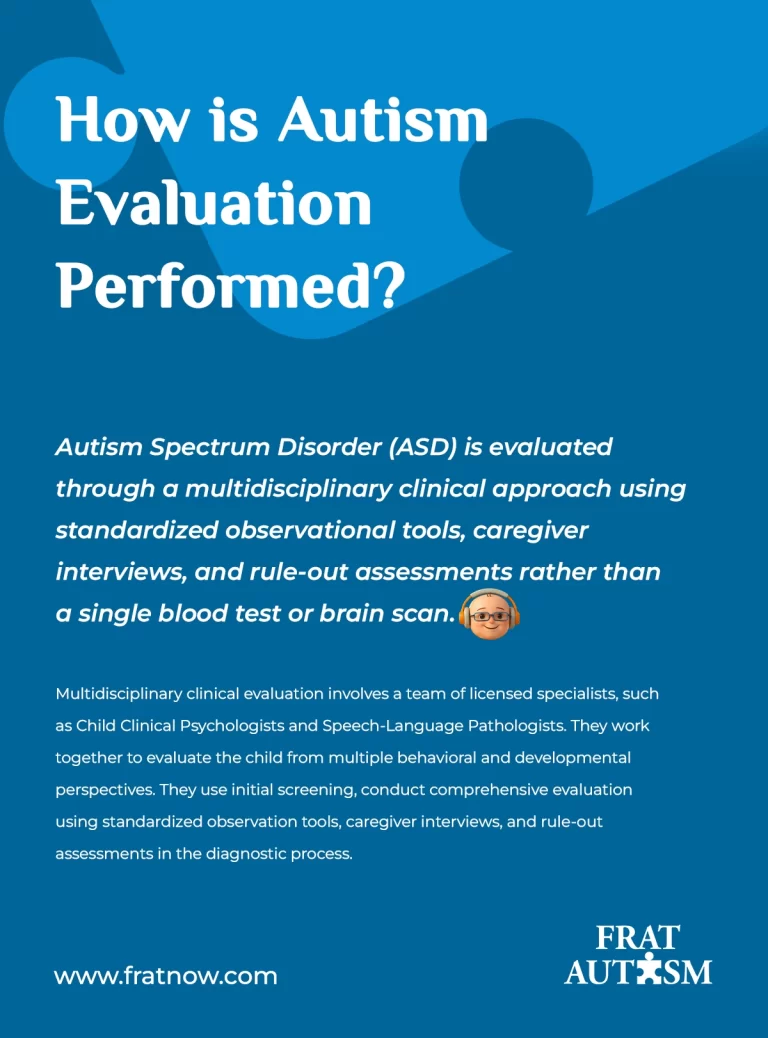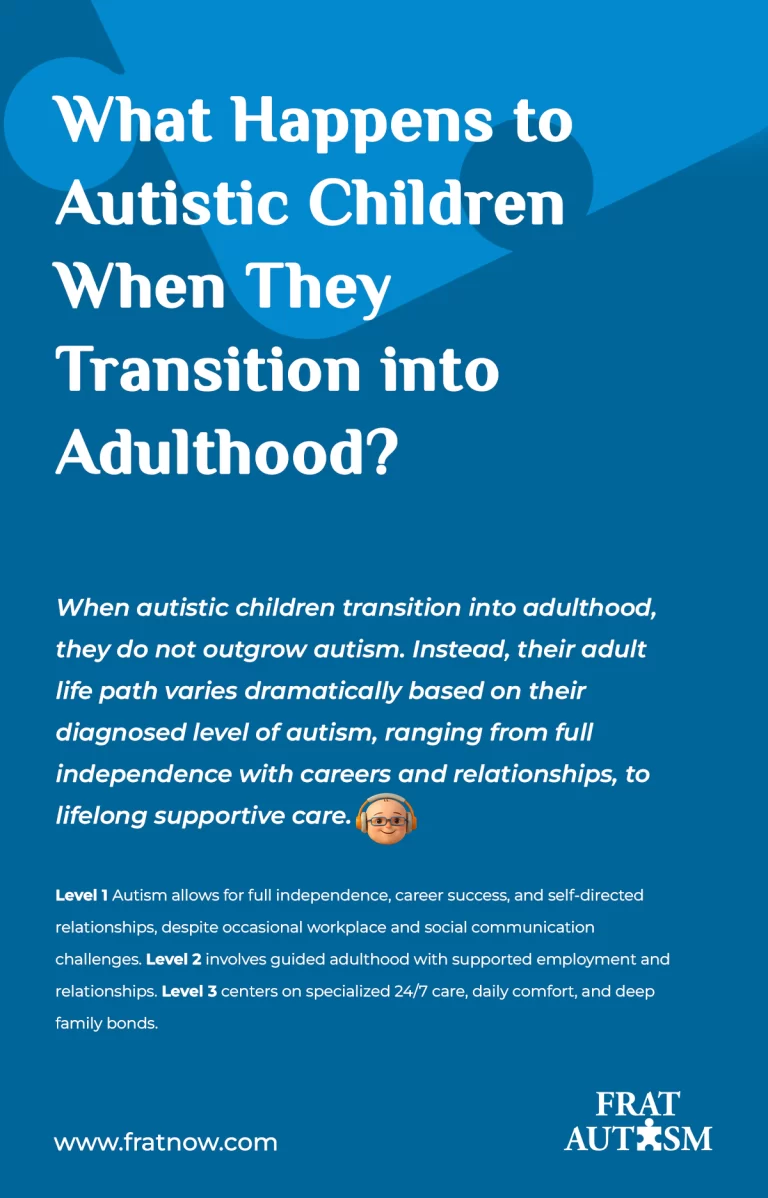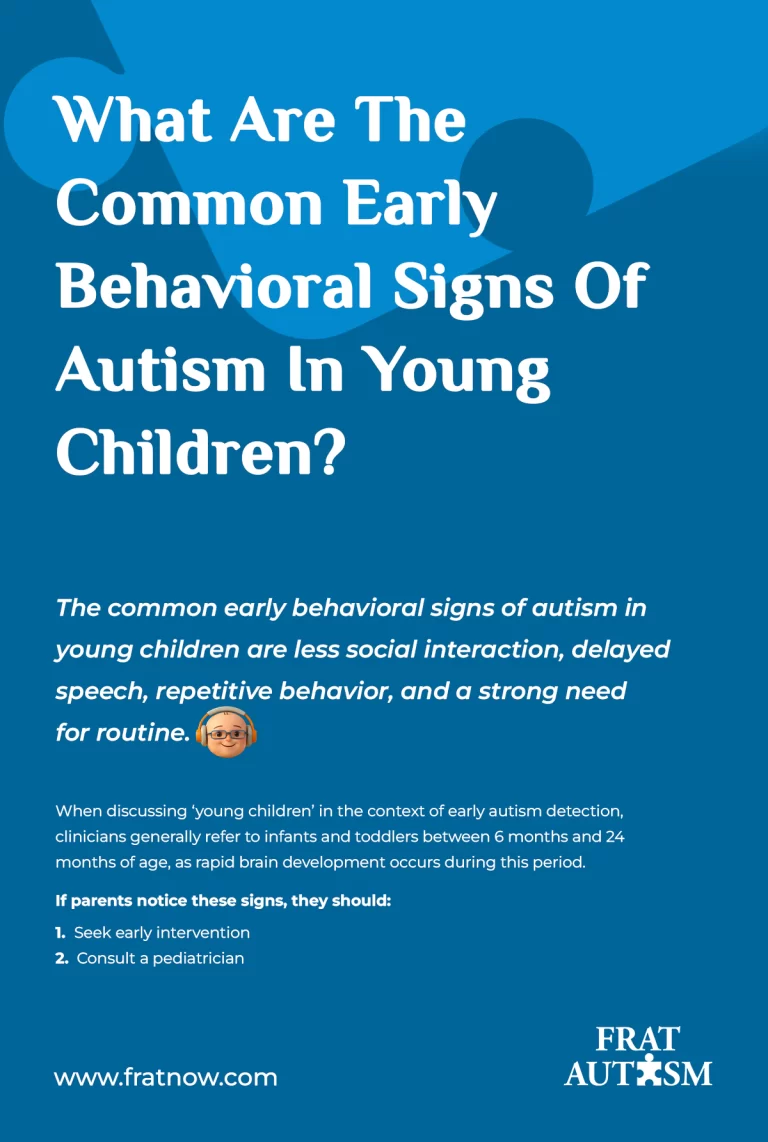

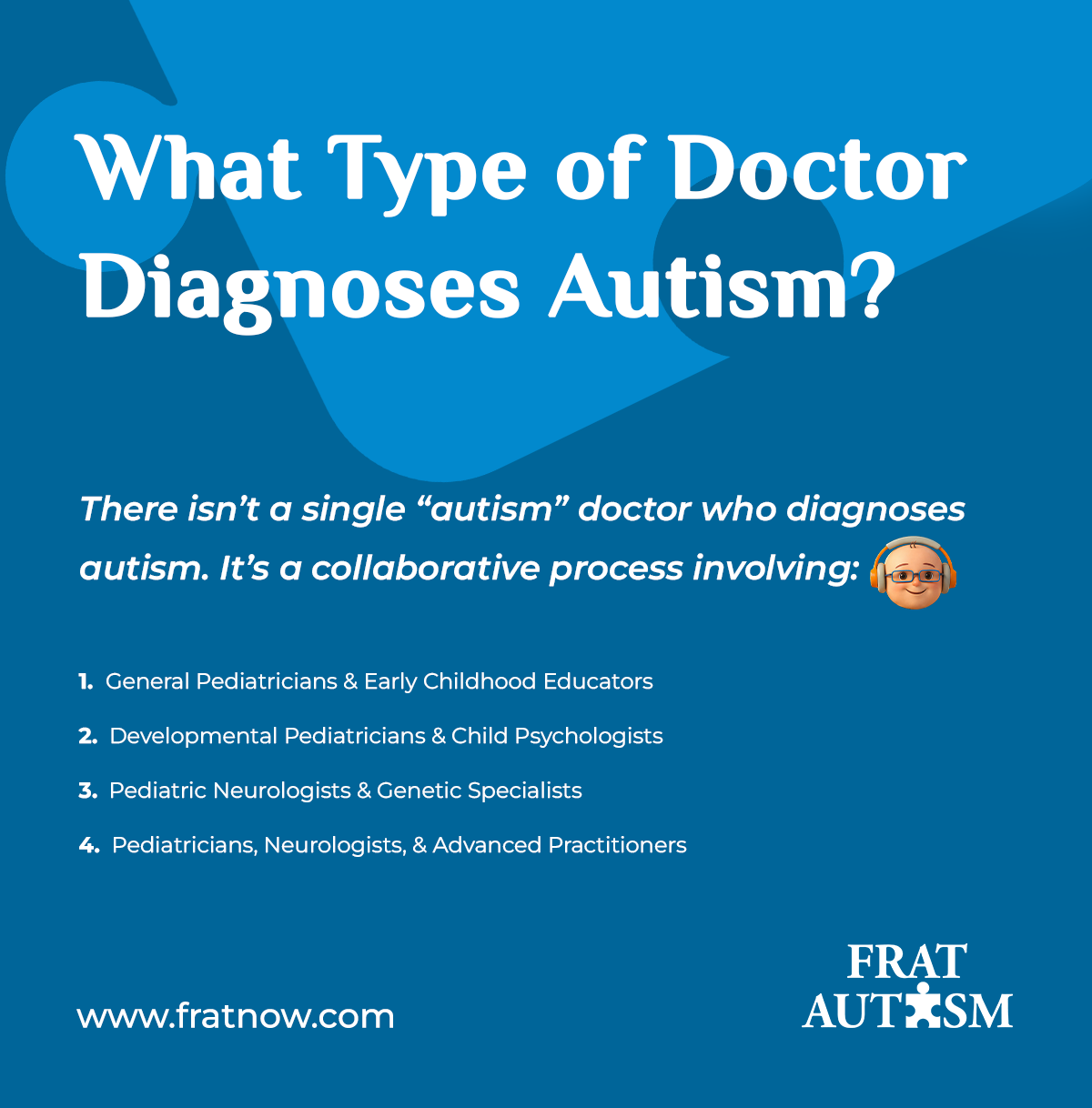
There isn’t a single “autism” doctor who diagnoses autism. Because it is both behavioral and biological, a different specialist comes into play at each stage of your child’s development.
A formal diagnosis of autism is, therefore, a collaborative process with different specialists relying on specific types of clinical, diagnostic, and medical tests:
1. General Pediatricians & Early Childhood Educators
- When they evaluate: Starting at 9 months onwards, usually during routine childhood wellness visits.
- What they look for: Basic developmental milestones to see if the child is talking, smiling, making eye contact, or gesturing at an age-appropriate level.
- The Tests They Use: Developmental screening tests involving quick checklists or questionnaires.
- Common Tests: M-CHAT-R, ASQ, SCQ.
*Note: If the child ‘flags’ on one of these tests, the general pediatrician or early childhood educator will refer you to a specialist for an official diagnosis.
2. Developmental Pediatricians & Child Psychologists
- When they evaluate: Whenever a parent, teacher, or pediatrician raises a formal concern about the child’s development.
- What they look for: Deep-dive, comprehensive behavioral evaluations to officially identify and diagnose autism spectrum disorders, learning disabilities, or developmental delays.
- The tests they use: Diagnostic tests involving structured playtime, direct observation, and detailed parent interviews to look at social interactions and communication patterns.
- Common Tests: ADOS-2, ADI-R, CARS-2.
3. Pediatric Neurologists & Genetic Specialists
- When they evaluate: Usually after the child has received an autism diagnosis, or if there is a suspected underlying medical or neurological issue.
- What they look for: Gene mutations, brain activity anomalies (like seizures), or metabolic imbalances that could be causing or worsening developmental challenges.
- The tests they use: Medical tests split into three categories based on the American Academy of Pediatrics (AAP) guidelines – genetic tests, metabolic tests, and structural/functional MRIs or EEGs.
- Common Tests: Fragile X DNA Test, Chromosomal Microarray.
4. Pediatricians, Neurologists, & Advanced Practitioners
- When they evaluate: Whenever a family wants to look deeper into targetable, biological factors that could help the child improve their speech, focus, and learning over time.
- What they look for: Specific, measurable biological markers, such as immune system interferences that might be blocking essential brain nutrients from being absorbed properly.
- The tests they use: Supplemental tests that allow doctors to prescribe targeted treatments for supporting the child’s brain development alongside their school accommodations.
- Key test: The FRAT® test – which detects Folate Receptor Autoantibodies. The presence of Folate Receptor Autoantibodies may indicate a folate (Vitamin B9) transport issue into the brain, possibly leading to cerebral folate deficiency syndrome.
The Detection of Folate Receptor Autoantibodies With FRAT®
FRAT® (Folate Receptor Autoantibody Test) is a specialized blood test designed to detect specific autoantibodies that interfere with how the body transports folate (vitamin B9), particularly into the brain. It is primarily used to help diagnose conditions related to cerebral folate deficiency syndrome and to guide targeted treatment.
A positive FRAT® result suggests these autoantibodies are present. This indicates that folate (vitamin B9) is likely not being transported effectively across the blood-brain barrier into the cerebrospinal fluid (CSF), which can lead to cognitive delays and neurological issues. As a result, a child with autism may also experience difficulties with traditional behavioral therapies.
FRAT® can aid in understanding a biological reason behind a child’s struggle for progress. Once cerebral folate deficiency is established, clinicians can restore the brain’s folate supply with targeted treatments. This can augment the child’s therapeutic readiness to ensure maximal benefit from behavioral and educational interventions.
Curious to know if your child has these autoantibodies?
Here’s what you can do:
Is a Biological Roadblock Holding Back Your Child's Progress?
Don't just manage behaviors - address the underlying brain chemistry.
Identifying Folate Receptor Autoantibodies is the first step towards a more targeted autism care plan.
To request a FRAT® test kit, click the button below.