
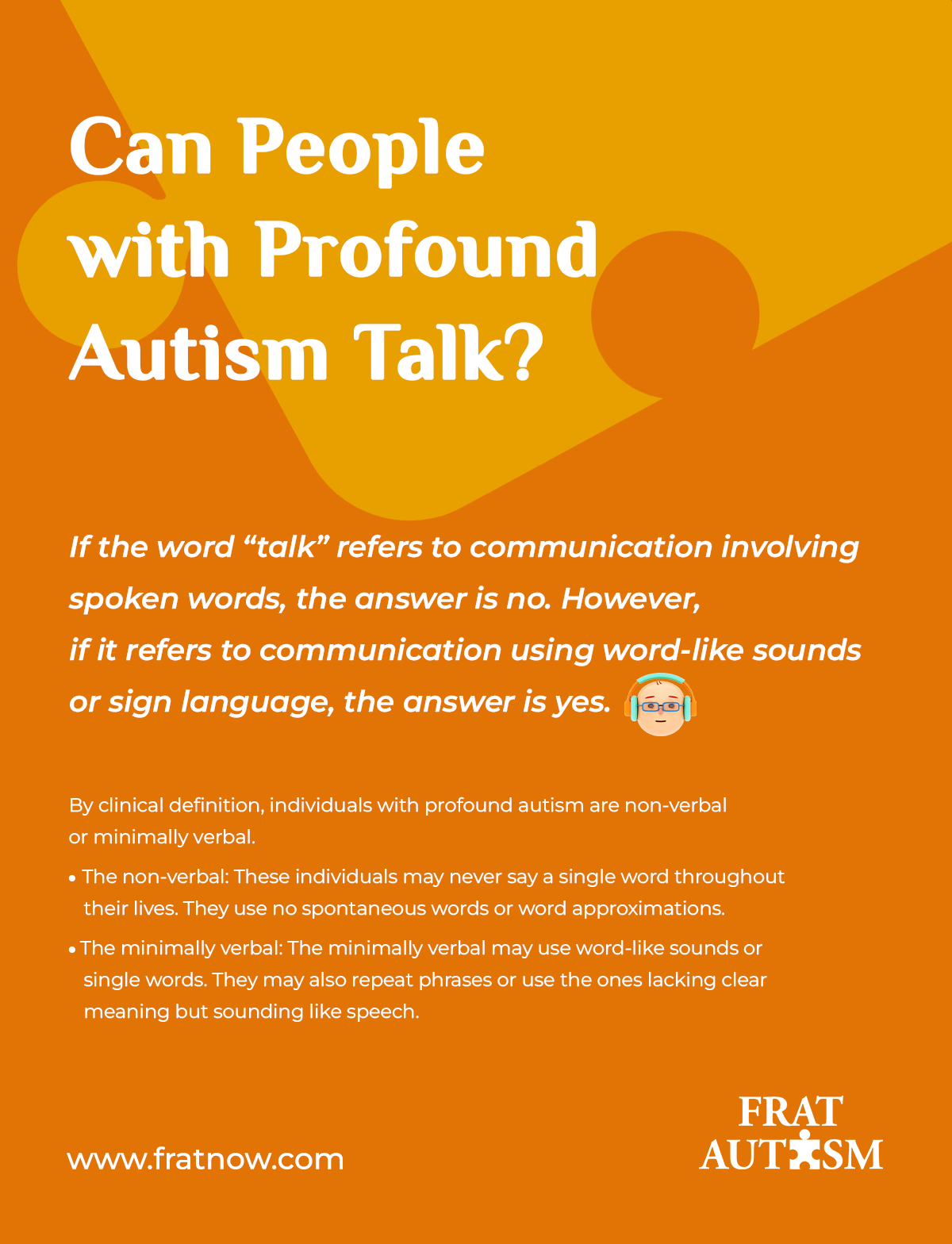
If the word “talk” refers to communication involving spoken words, the answer is no. However, if it refers to communication using word-like sounds or sign language, the answer is yes.
By clinical definition, individuals with profound autism are non-verbal or minimally verbal.
- The non-verbal : These individuals may never say a single word throughout their lives. They use no spontaneous words or word approximations.
- The minimally verbal : They may use word-like sounds or single words. They may also repeat phrases or use the ones lacking clear meaning but sounding like speech.
How People With Profound Autism Communicate?
Individuals with profound autism use various non-traditional methods to express themselves. This is because they typically have very limited or no spoken language.
- The Non-Verbal
People with profound autism who are non-verbal rely on alternate methods to communicate. These involve Augmentative and Alternative Communication (AAC) tools or gestures. - The Minimally Verbal
Those categorized as minimally verbal may develop limited speech at some point, although it is generally not fluent. Their expressions often involve single words and approximations or functional phrases.
Why Is Speech Often Missing?
The lack of speech in people with profound autism is often due to the following challenges:
- Intellectual Disability: An IQ below 50 can impact the brain’s ability to process and produce complex language.
- Motor Planning Issues: Conditions like apraxia can make it physically difficult for the brain to coordinate the muscles needed for speech.
Why Identification of Folate Receptor Autoantibodies (FRAAs) Matters
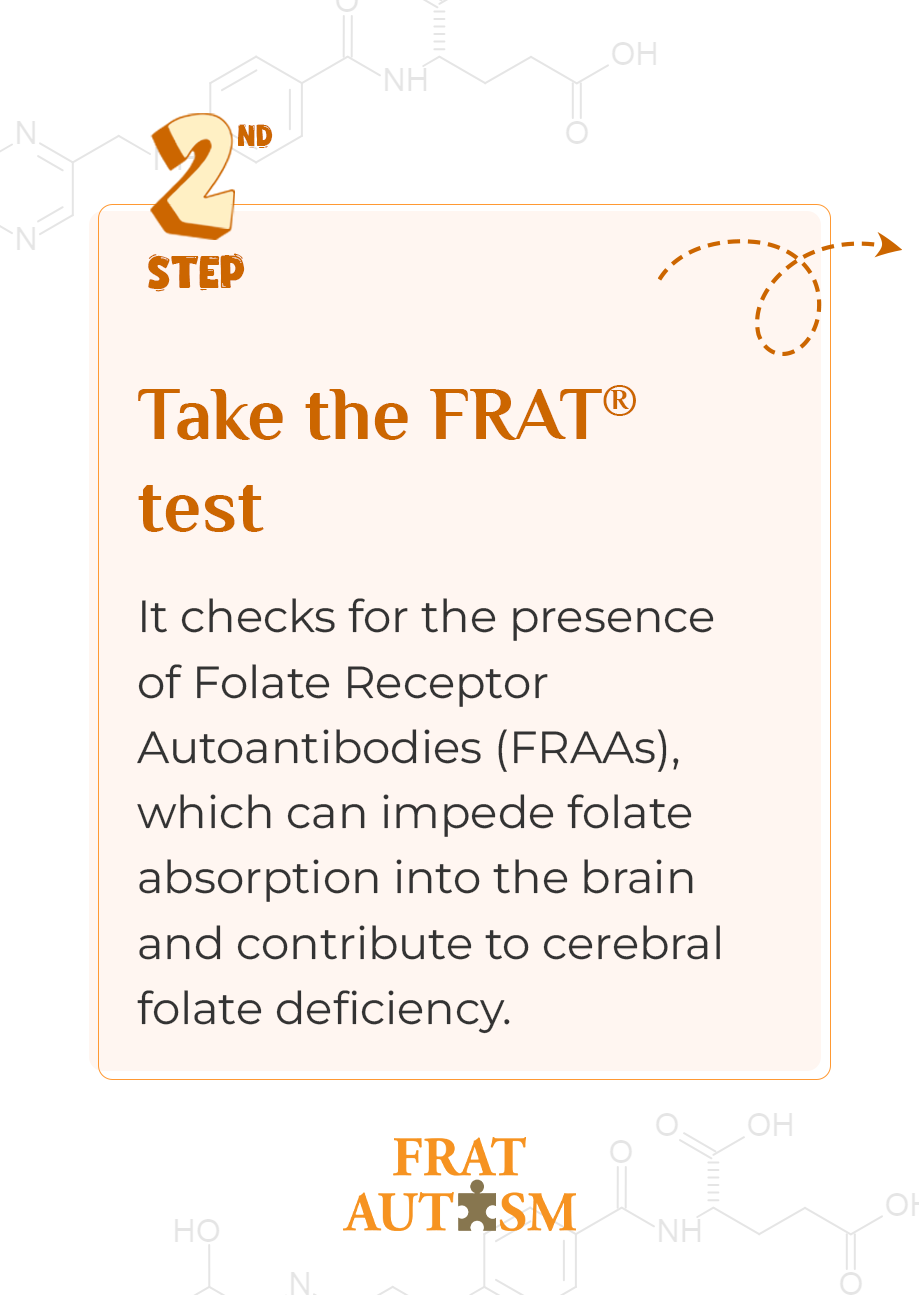
A significant percentage of children with autism have folate receptor autoantibodies (FRAAs). Folate (Vitamin B9) is essential for healthy brain function in an individual. FRAAs interfere with folate transport across the blood-brain barrier, impairing speech and language in some children with autism.
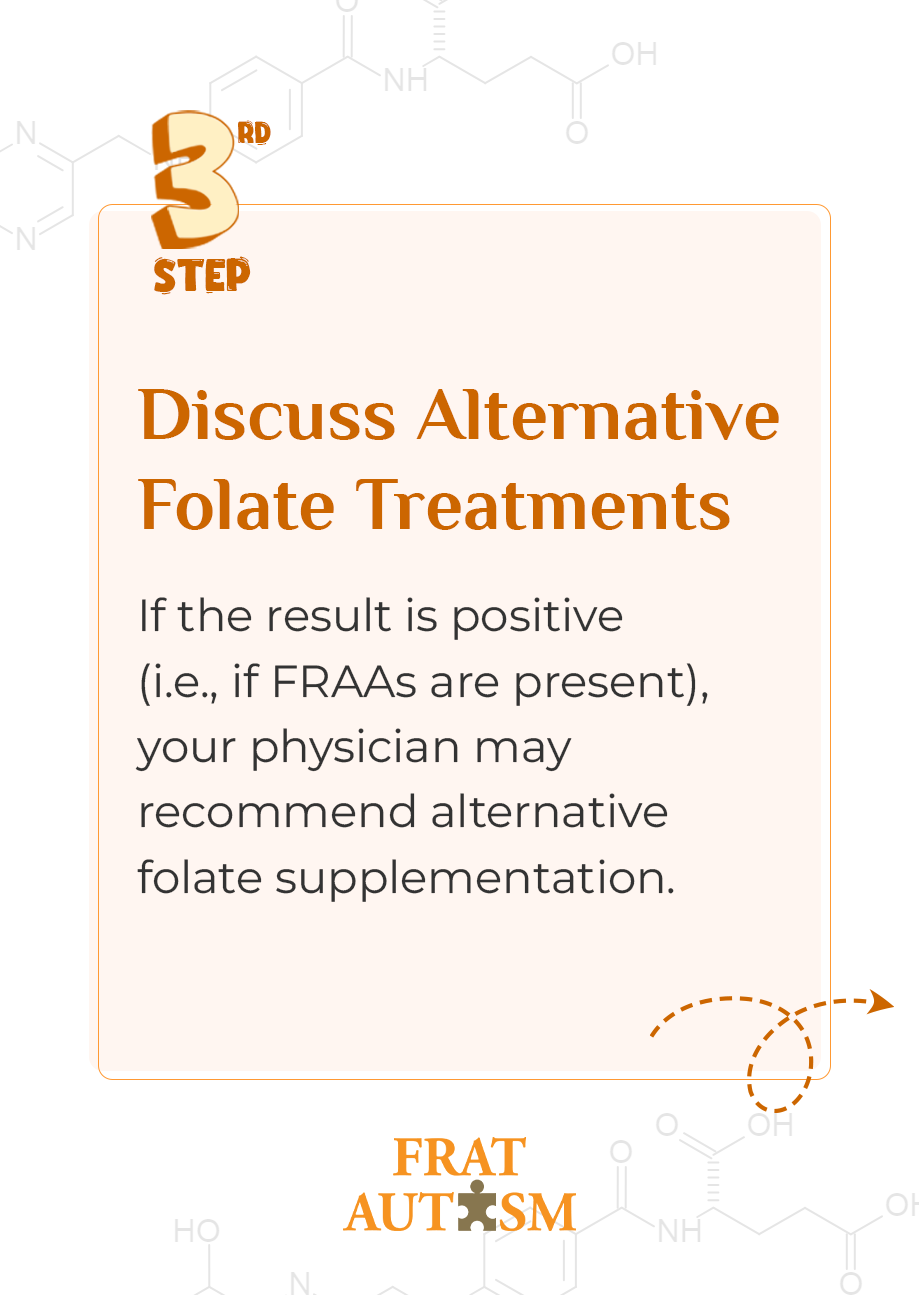
The FRAT test detects the presence of FRAAs. Upon identifying these specific autoantibodies, doctors may help improve verbal communication in these children through targeted treatments, such as – the use of Leucovorin (Folinic Acid).
References
- https://autismsciencefoundation.org/wp-content/uploads/2023/04/CDC-Profound-Autism-Statistics_ASF-Copy.pdf
- https://pmc.ncbi.nlm.nih.gov/articles/PMC10576471/pdf/10.1177_00333549231199480.pdf
- https://childmind.org/article/what-is-profound-autism/
- https://www.autism.org.uk/advice-and-guidance/about-autism/autism-and-communication
- https://www.thelancet.com/action/showPdf?pii=S0140-6736%2821%2901541-5
- https://www.uclahealth.org/medical-services/clinical-genetics/folinic-acid-cerebral-folate-deficiency-and-autism-faq
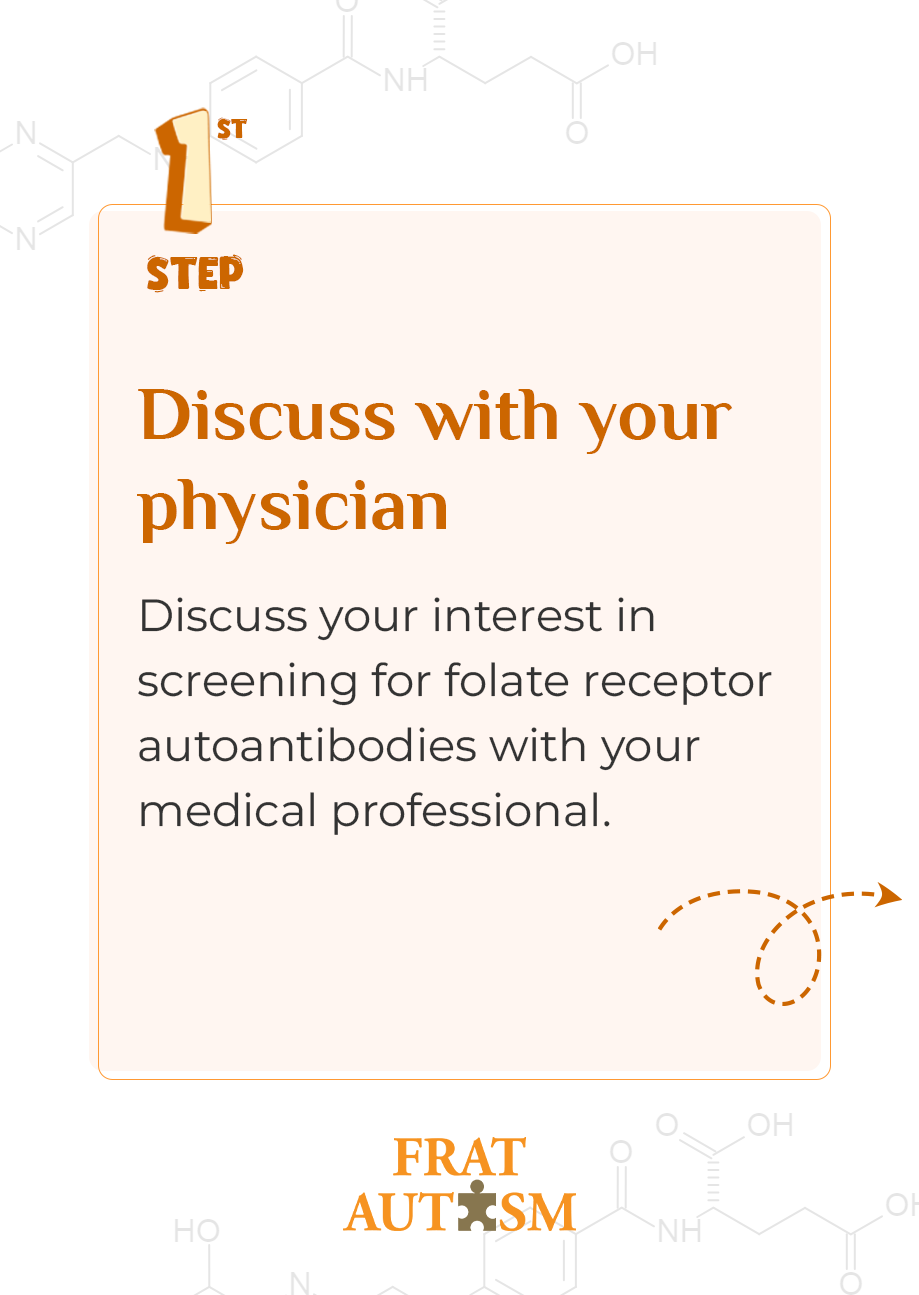
Curious to know if your child has these autoantibodies?
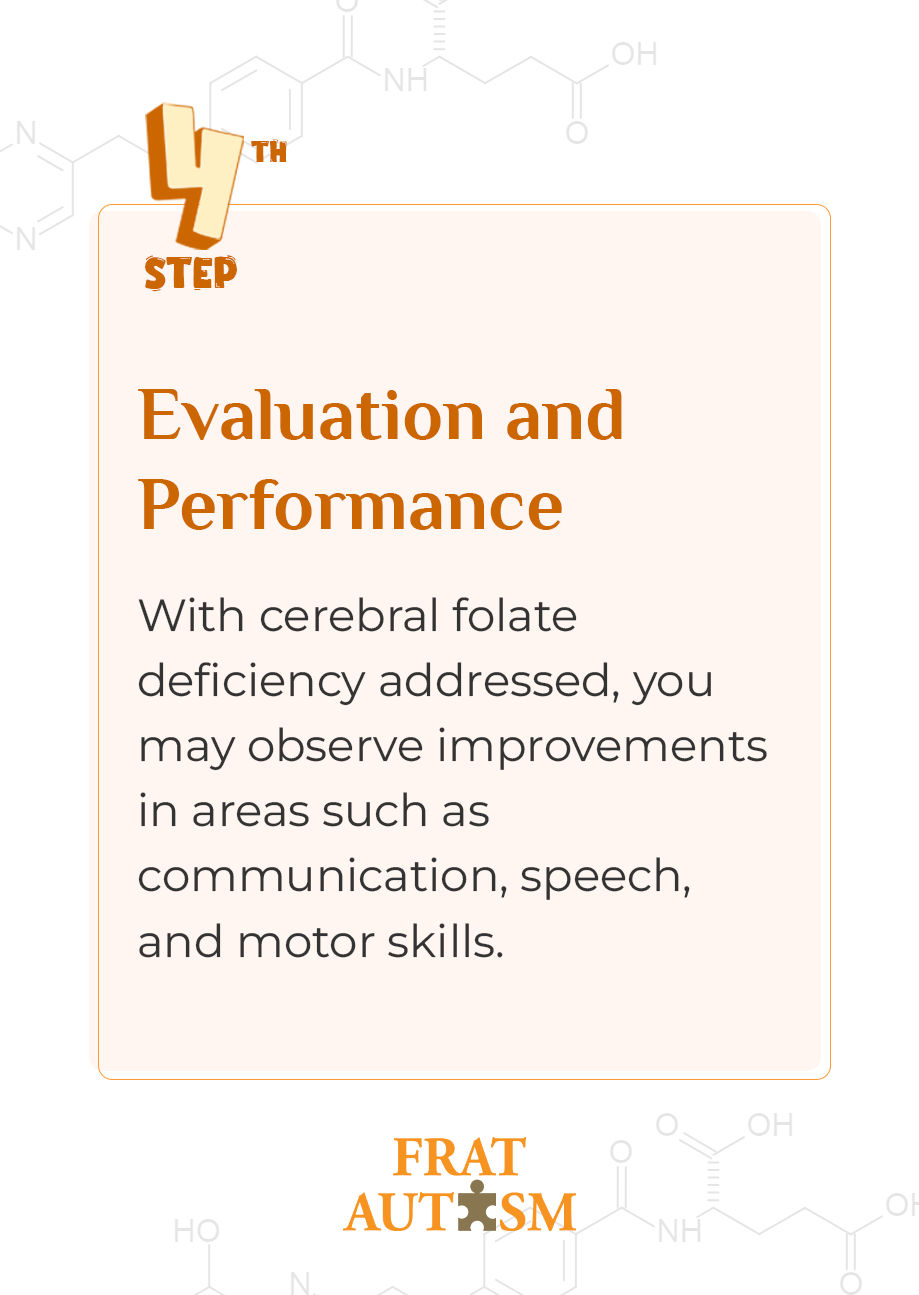
Here’s what you can do:
More Answer For You
Is a Biological Roadblock Holding Back Your Child's Progress?
Don't just manage behaviors - address the underlying brain chemistry.
Identifying Folate Receptor Autoantibodies is the first step towards a more targeted autism care plan.
To request a FRAT® test kit, click the button below.