
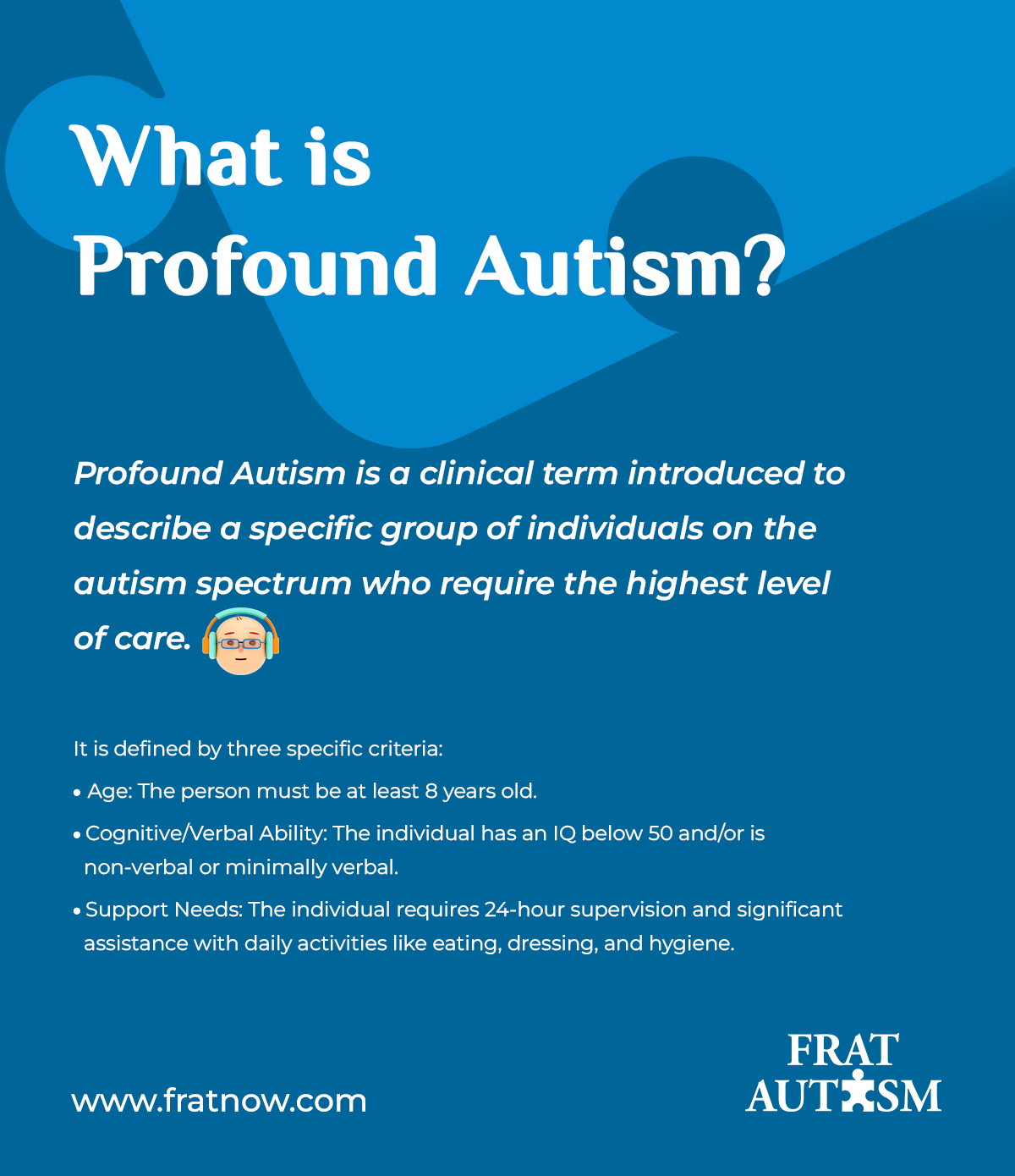
Profound autism is a clinical term introduced to describe a specific group of individuals on the autism spectrum who require the highest level of care.
It is defined by three specific criteria:
- Age: The person must be at least 8 years old.
- Cognitive/ Verbal Ability: The individual has an IQ below 50 and/or is non-verbal or minimally verbal.
- Support Needs: The individual requires 24-hour supervision and significant assistance with daily activities like eating, dressing, and hygiene.
Who Introduced This Term?
The term was officially introduced by the Lancet Commission on the Future of Care and Clinical Research in Autism in December 2021.
Why Was This Term Introduced?
As the definition of autism expanded to include a very broad range of abilities, many parents and clinicians felt the most vulnerable autistic individuals were becoming invisible. The term was created to:
- Prioritize Support: Ensure policy and funding target those who need 24-hour care.
- Clarify Research: Help scientists study the specific biological and genetic markers common in this group.
- Improve Safety: Highlight the need for specialized housing and emergency protocols.
Is Profound Autism Same As Autism Level 3?
No, Profound Autism is different from Level 3 Autism as described by DSM-5. While the DSM-5 uses Level 3 to describe those needing the most support, Profound Autism uses specific functional milestones to define the group. Here’s how:
| Level 3 Autism | Profound Autism | |
| Primary Focus | Intensity of Support: How much help is needed for social and behavioral issues. | Functional Ability: Specific cognitive and verbal thresholds. |
| IQ Requirement | None. A person can have a high IQ and still be Level 3. | Required: Typically an IQ below 50. |
| Verbal Ability | Variable | Required: Non-verbal or minimally verbal. |
| Daily Life | Needs substantial support. | Requires 24-hour supervision for basic safety and self-care. |
The Biological Connection: Profound Autism & CFD
While the term Profound Autism describes the intensity of a child’s needs, it doesn’t explain the cause. Emerging research indicates a possible correlation between the most severe clinical presentations of autism and Cerebral Folate Deficiency (CFD).
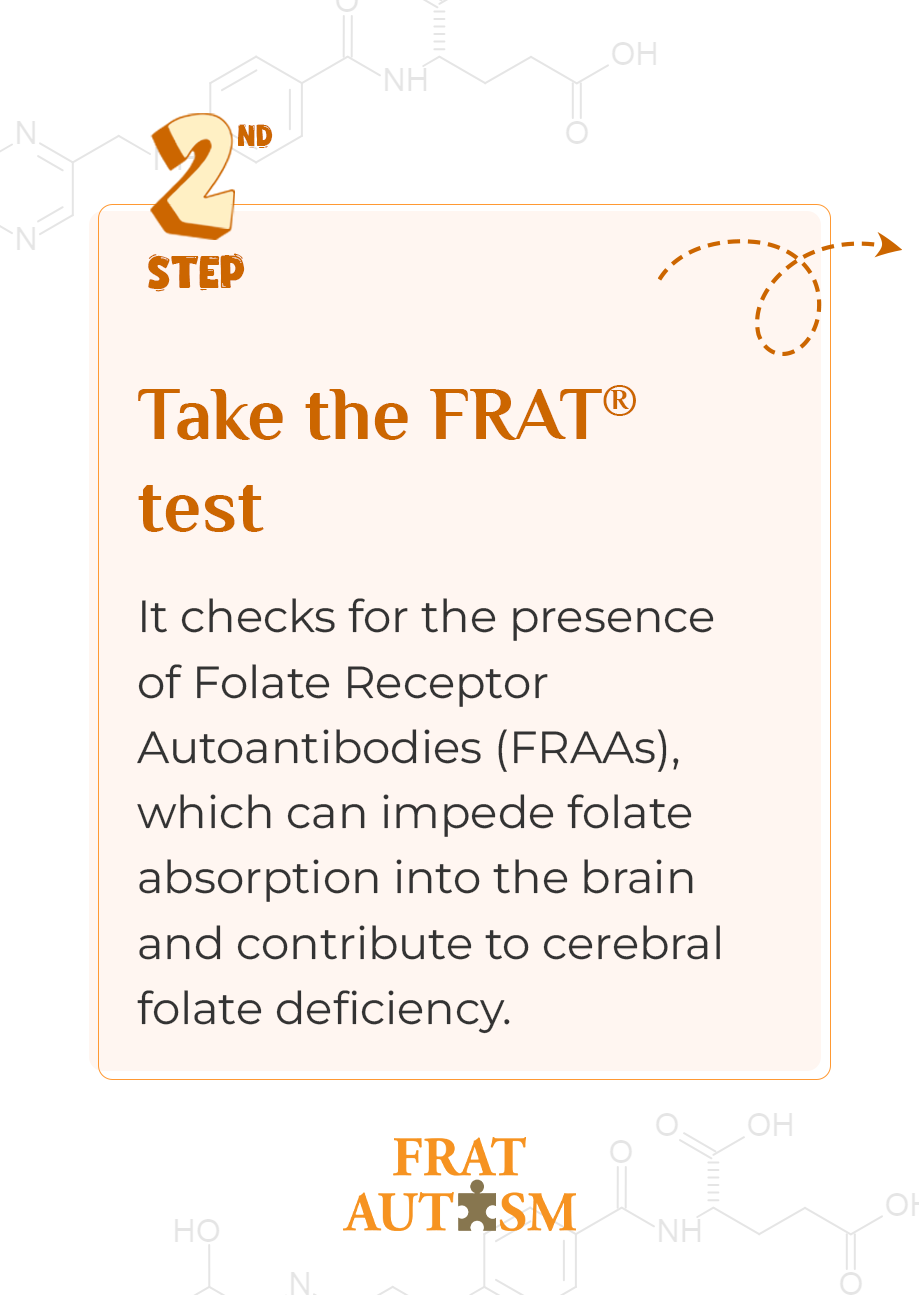
When a child has an IQ below 50 or is non-verbal, it may potentially point to a biological roadblock in the brain. In many cases, this roadblock is caused by Folate Receptor Autoantibodies (FRAAs), which prevent essential nutrients from reaching the brain. For those with Profound Autism, identifying these antibodies through the FRAT® Test can be a turning point, moving from simply managing behaviors to addressing a treatable medical deficiency.
References
- https://pmc.ncbi.nlm.nih.gov/articles/PMC10576471/
- https://www.thelancet.com/journals/lancet/article/PIIS0140-6736(21)01541-5/abstract
- https://pubmed.ncbi.nlm.nih.gov/38423722/
- https://www.profoundautism.org/inclusive-research/profound-autism-facts/
- https://autismsciencefoundation.org/profound-autism/
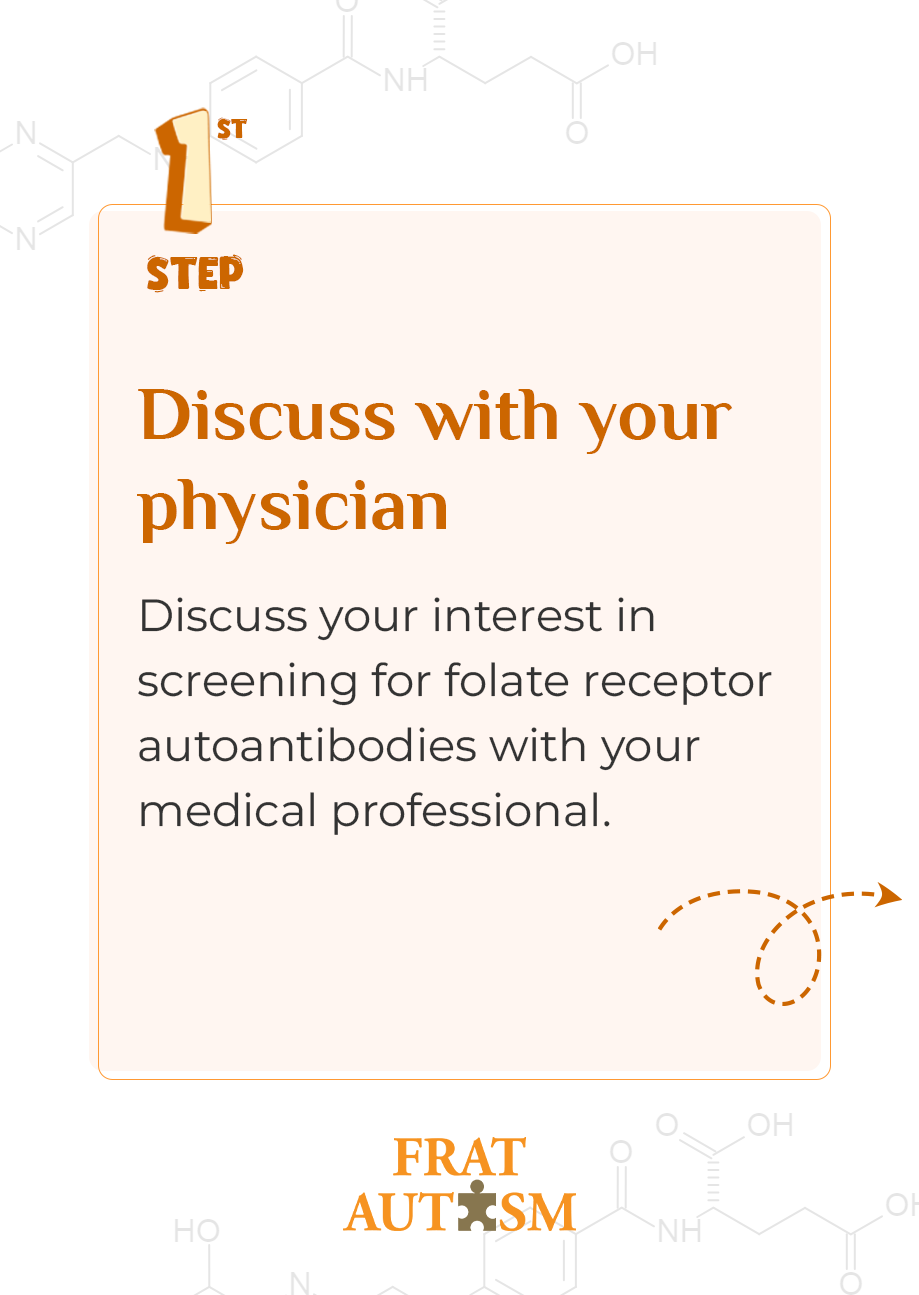
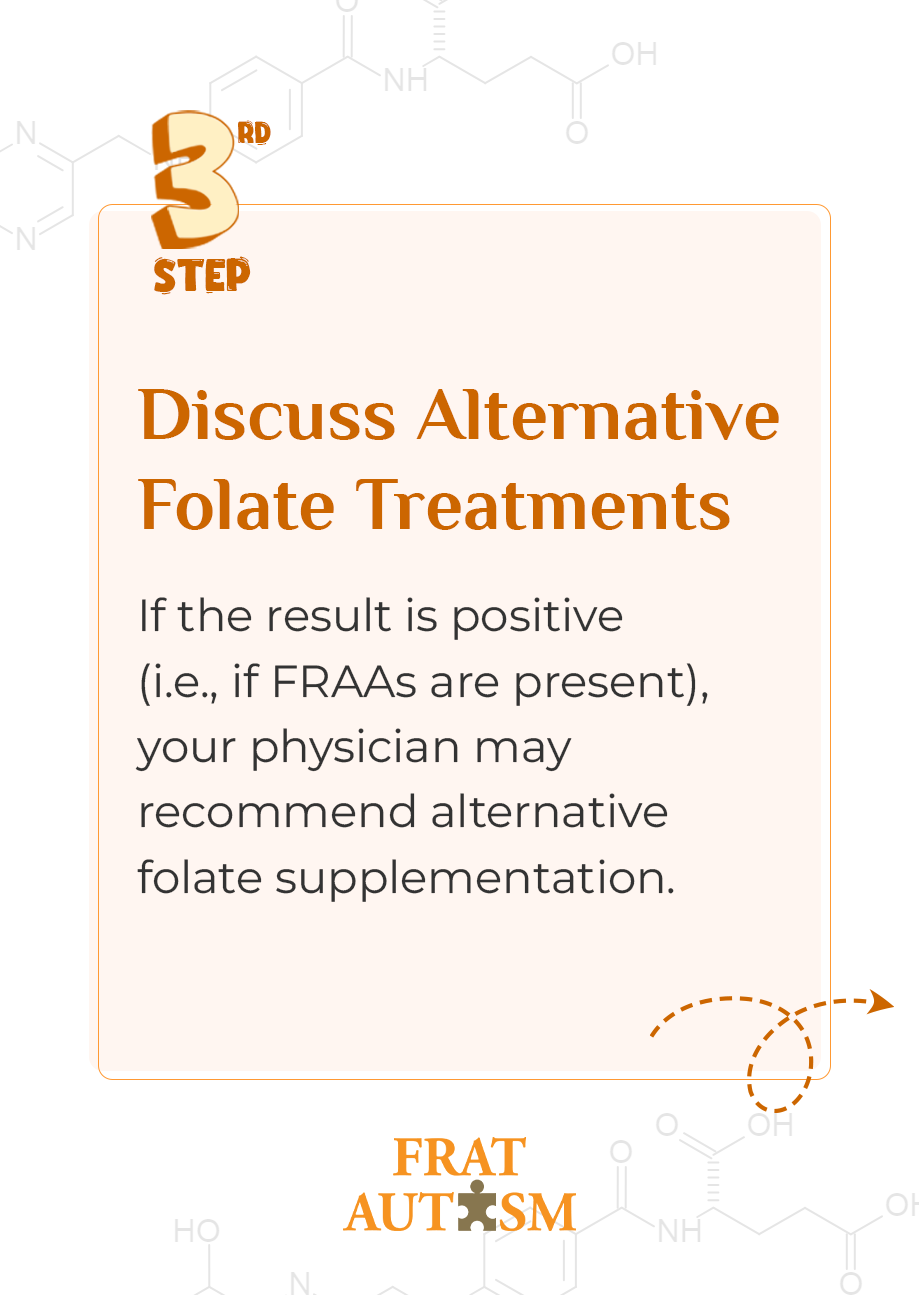
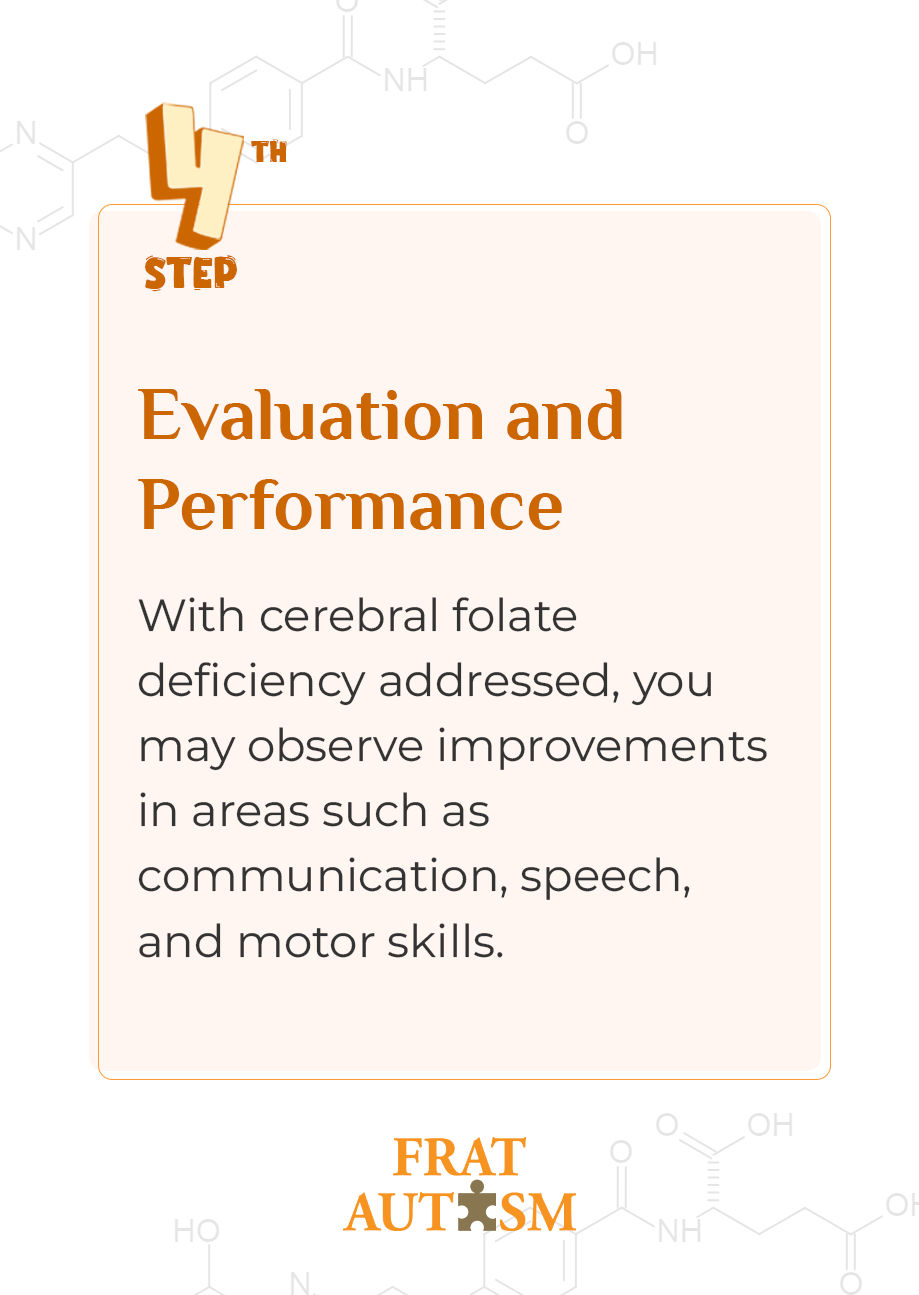
Curious to know if your child has these autoantibodies?
Here’s what you can do:
Is a Biological Roadblock Holding Back Your Child's Progress?
Don't just manage behaviors - address the underlying brain chemistry.
Identifying Folate Receptor Autoantibodies is the first step towards a more targeted autism care plan.
To request a FRAT® test kit, click the button below.