
The 6-second rule in autism is a simple communication strategy in which you give an autistic child one clear, short instruction or question and then wait silently for about six seconds before repeating yourself or offering help.
For many autistic children, processing spoken language can take extra time as their brains work to process sensory information and organize a response. A six-second pause reduces the pressure to respond immediately, helps prevent verbal overload, and gives your child the time and space they need to respond.
What Happens Inside Your Child’s Brain During Those 6 Seconds?
As you wait for six seconds, your child’s brain works through four distinct steps:
- Filtering Sensory Information: Processing your voice alongside background sounds, bright lights, or physical sensations such as itching.
- Decoding the Words: Translating spoken sounds and connecting them to meaning.
- Formulating a Response: Deciding what to say, point to, or do next.
- Planning and Initiating an Action: Organizing the response and sending the necessary signals to the mouth, hands, or an Augmentative and Alternative Communication (AAC) device to communicate or carry out the intended action.
Think of your autistic child processing your instruction or question like a website loading on a busy network. Repeating or rephrasing an instruction or question would be similar to accidentally hitting a browser’s Refresh button when the website was 80% loaded.
Just as hitting the Refresh button interrupts the loading process and starts it again, repeating or rephrasing the instruction may interrupt your child’s brain and make it work through the information again. This can add to their brain’s processing load and make it harder for them to respond.
Is It Always Exactly 6 Seconds?
Waiting six seconds is a practical rule of thumb and not a strict scientific timer. Some autistic children may need only a few seconds to respond to familiar requests. Others may need more time, particularly when using an AAC device or communicating in a noisy environment.
According to communication partner guidelines from the American Speech-Language-Hearing Association (ASHA), matching your pace to your autistic child’s individual processing rhythm builds confidence, lowers frustration, and encourages meaningful two-way communication.
Is There a Link Between Folate Receptor Autoantibodies and Autism?
Folate (Vitamin B9) is an essential nutrient that supports early brain development. The brain depends on the body’s natural folate transport system to meet its needs.
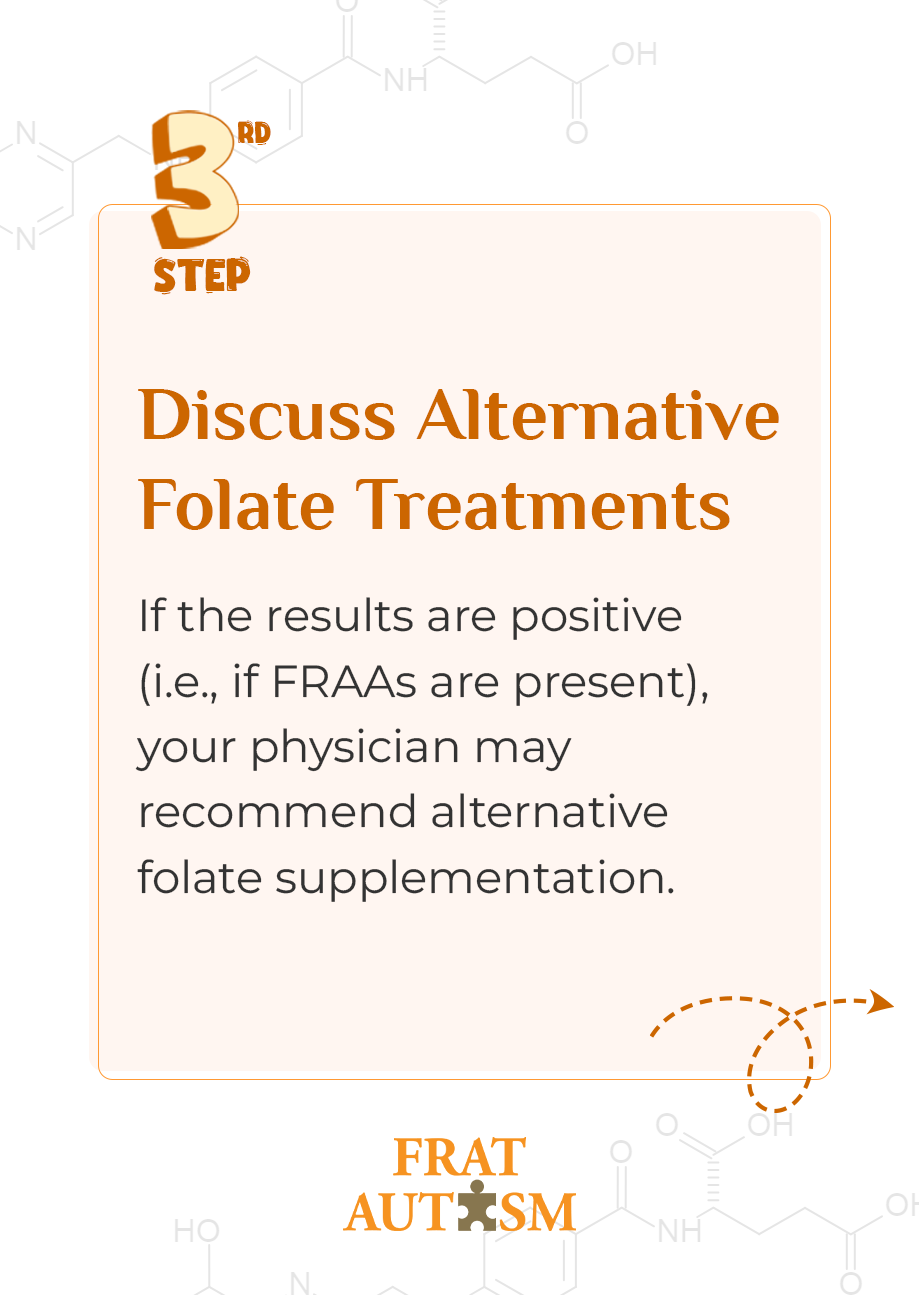
In some autistic children, the immune system can produce Folate Receptor Autoantibodies (FRAAs), which can interfere with folate transport into the brain. This may contribute to speech delays, attention difficulties, and behavioral challenges.
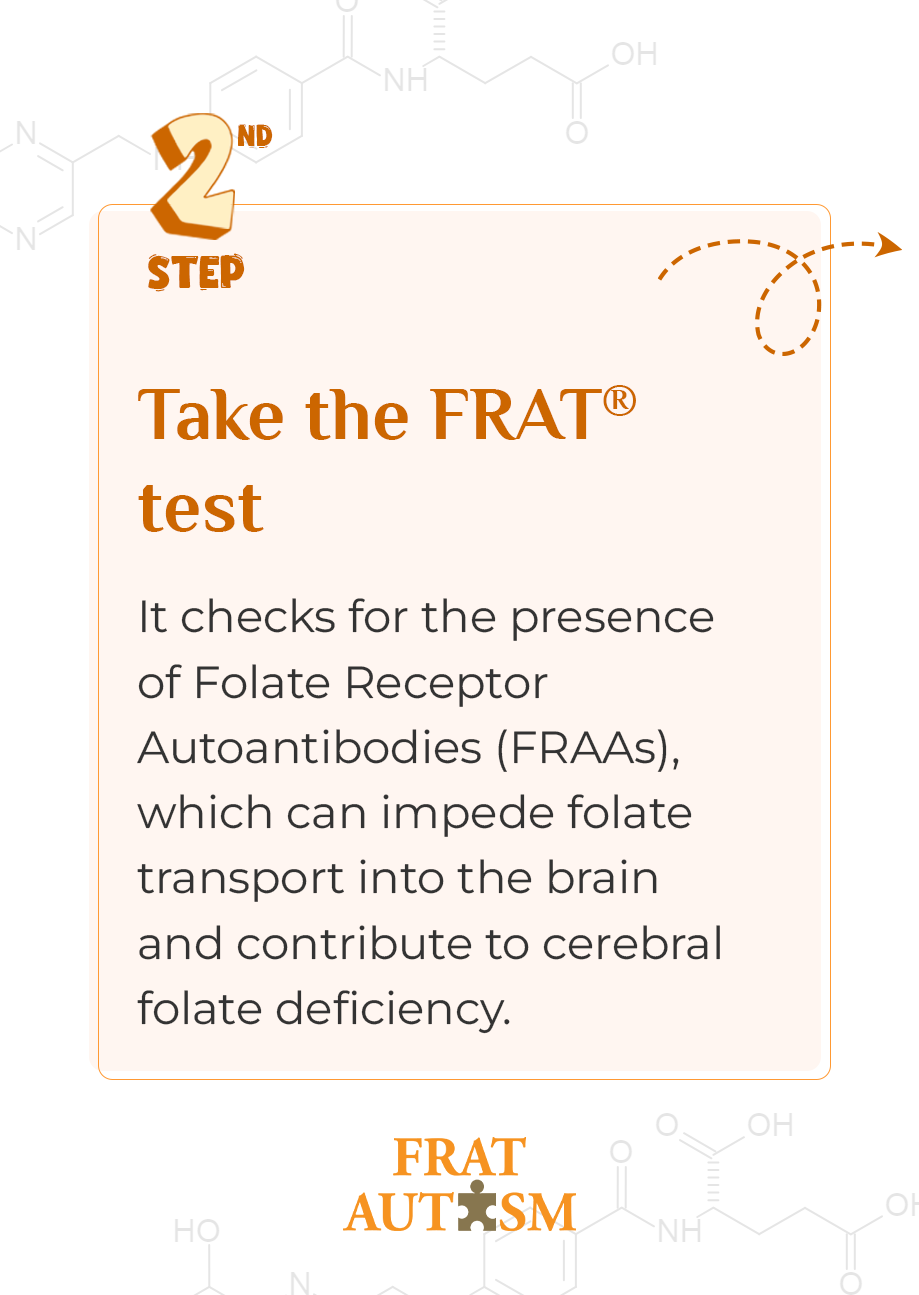
The FRAT® test helps detect FRAAs in the blood. Detection of these autoantibodies may help clinicians determine whether targeted treatment to improve folate availability in the brain could be appropriate.
References
- Applied ABC – https://appliedabc.com/what-is-the-six-second-rule-for-autism/
- PubMed Central – https://pmc.ncbi.nlm.nih.gov/articles/PMC12271282/
- American Speech-Language-Hearing Association (ASHA) –
https://www.asha.org/practice/early-intervention-provider-support/augmentative-and-alternative-communication-in-early-intervention/
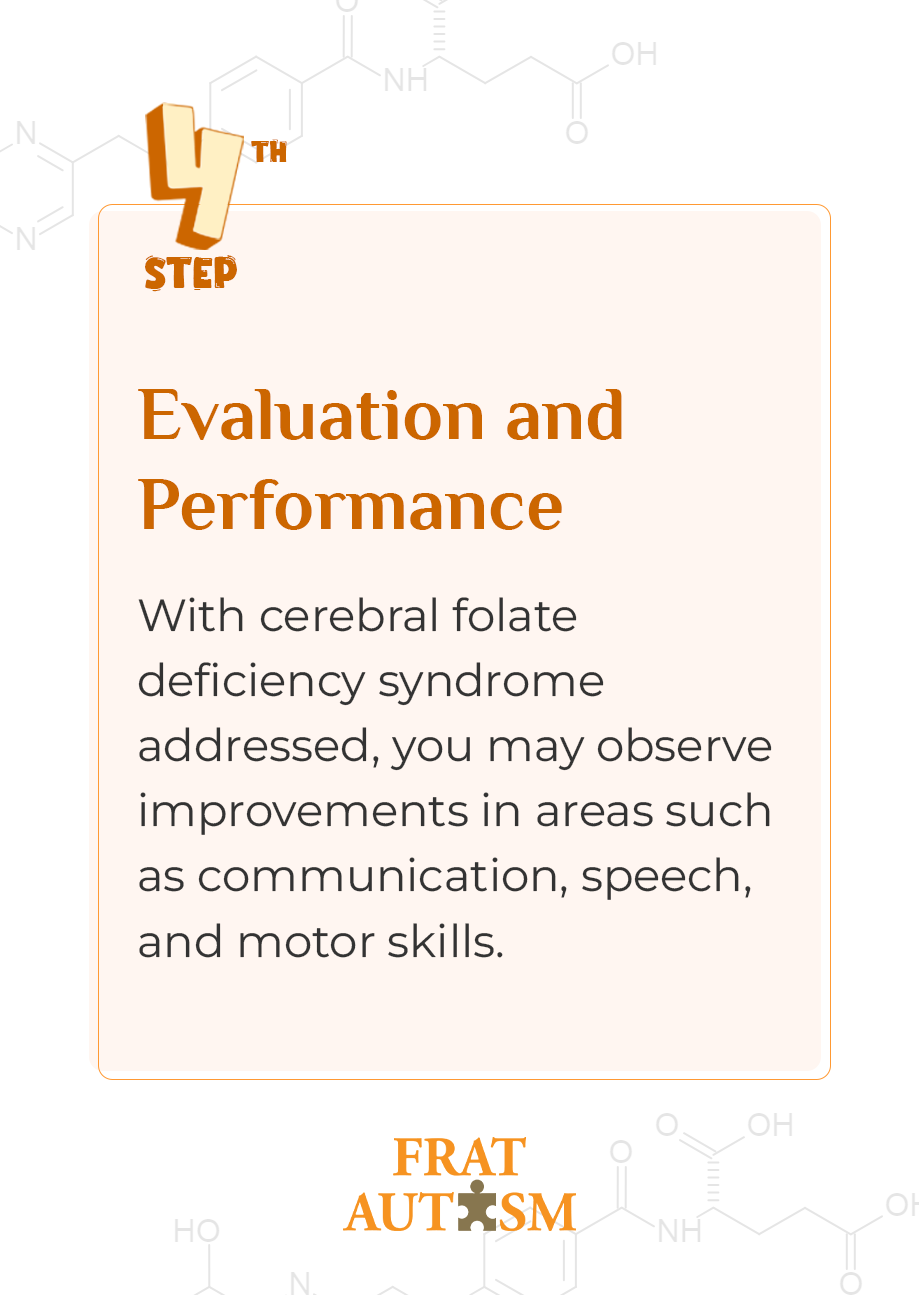
Curious to know if your child has these autoantibodies?
Here’s what you can do:

More Answer For You
- What Are the Common Health Issues Associated with Autism?
- What Does “High-Functioning Autism” Mean?
- Can you be diagnosed with autism as an adult?
- How Is Autism Evaluation Performed?
- What Happens to Autistic Children When They Transition into Adulthood?
- What Are The Common Early Behavioral Signs Of Autism In Young Children?
- How Do People with Profound Autism Communicate?
- What Type of Doctor Diagnoses Autism?
- How to Support a Child with Autism in the Classroom?
- How To Explain Autism To Kids?
- Can People with Profound Autism Talk?
- What Is Profound Autism?
- Why Is Autism More Common In Males?
Is a Biological Roadblock Holding Back Your Child's Progress?
Don't just manage behaviors - address the underlying brain chemistry.
Identifying Folate Receptor Autoantibodies is the first step towards a more targeted autism care plan.
To request a FRAT® test kit, click the button below.