
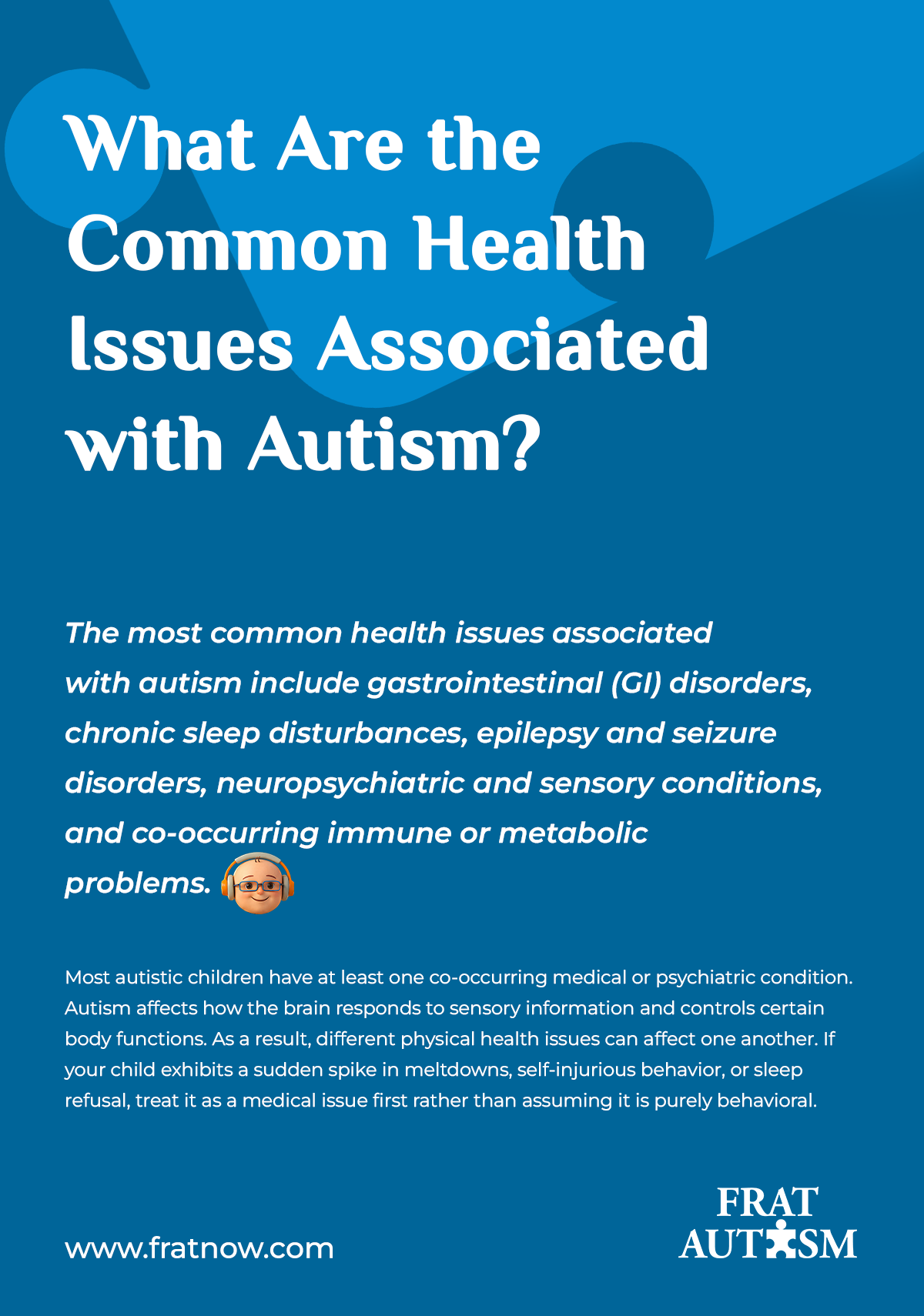
The most common health issues associated with autism include gastrointestinal (GI) disorders, chronic sleep disturbances, epilepsy and seizure disorders, neuropsychiatric and sensory conditions, and co-occurring immune or metabolic problems.
Most autistic children have at least one co-occurring medical or psychiatric condition. Autism affects how the brain responds to sensory information and controls certain body functions. As a result, different physical health issues can affect one another. If your child exhibits a sudden spike in meltdowns, self-injurious behavior, or sleep refusal, treat it as a medical issue first rather than assuming it is purely behavioral.
Gastrointestinal (GI) Disorders & the Gut-Brain Axis
Gastrointestinal disorders affect a significant percentage of autistic children. This is because the gut contains 90% of the body’s serotonin and communicates directly with the brain through the gut-brain axis.
- Behavioral Signs Caregivers Need to Look For: The child arching their back, pressing stomach against furniture, biting wrist, or showing sudden bursts of aggression.
Chronic Sleep Disturbances
Between 50% and 80% of autistic children experience severe sleep disruption, compared to 20% to 30% of neurotypical children. Many autistic individuals naturally produce lower levels of melatonin (the hormone that helps regulate sleep) and may have changes in their natural sleep-wake cycle.
- Behavioral Signs Caregivers Need to Look For: The child taking hours to fall asleep, frequently staying awake at night, and waking unusually early in the morning.
Epilepsy & Seizure Disorders
Epilepsy affects approximately 20% to 40% of autistic individuals, compared to just 1% to 2% of the general population. Seizures most commonly emerge during two distinct developmental phases – early childhood (under age 5) and early adolescence or puberty (around ages 10 to 13).
- Behavioral Signs Caregivers Need to Look For: In autistic children, seizures often show up as temporary loss of awareness in a subtle way, extreme fatigue, or sudden muscle jerks.
Neuropsychiatric & Sensory Conditions
Over 70% of autistic children have co-occurring neurodevelopmental or mental health conditions:
- Attention-Deficit/Hyperactivity Disorder (ADHD): Differences in the ability to focus, control activity levels, and manage everyday tasks.
- Anxiety & Phobias: Being constantly on high alert and finding it difficult to deal with unexpected situations, leading to intense fears, avoiding social interactions, or repeating certain actions.
- Understanding Body Signals & Sensory Sensitivity: Difficulty recognizing body signals, such as hunger, the need to use the toilet, or pain, or being extra sensitive to lights, sounds, and textures.
Metabolic & Connective Tissue Factors
- Joint Flexibility & Ehlers-Danlos Syndrome (EDS): Some autistic individuals may have unusually flexible joints. This can cause joint pain, tiredness, and difficulty with activities that require body coordination, such as walking, running, or climbing stairs.
- Cerebral Folate Deficiency & Mitochondrial Issues: Some children have folate receptor autoantibodies (FRAAs) blocking folate (Vitamin B9) transport into the brain or subtle mitochondrial energy imbalances that impact stamina and speech development.
How Folate Receptor Autoantibodies Can Cause Cerebral Folate Deficiency
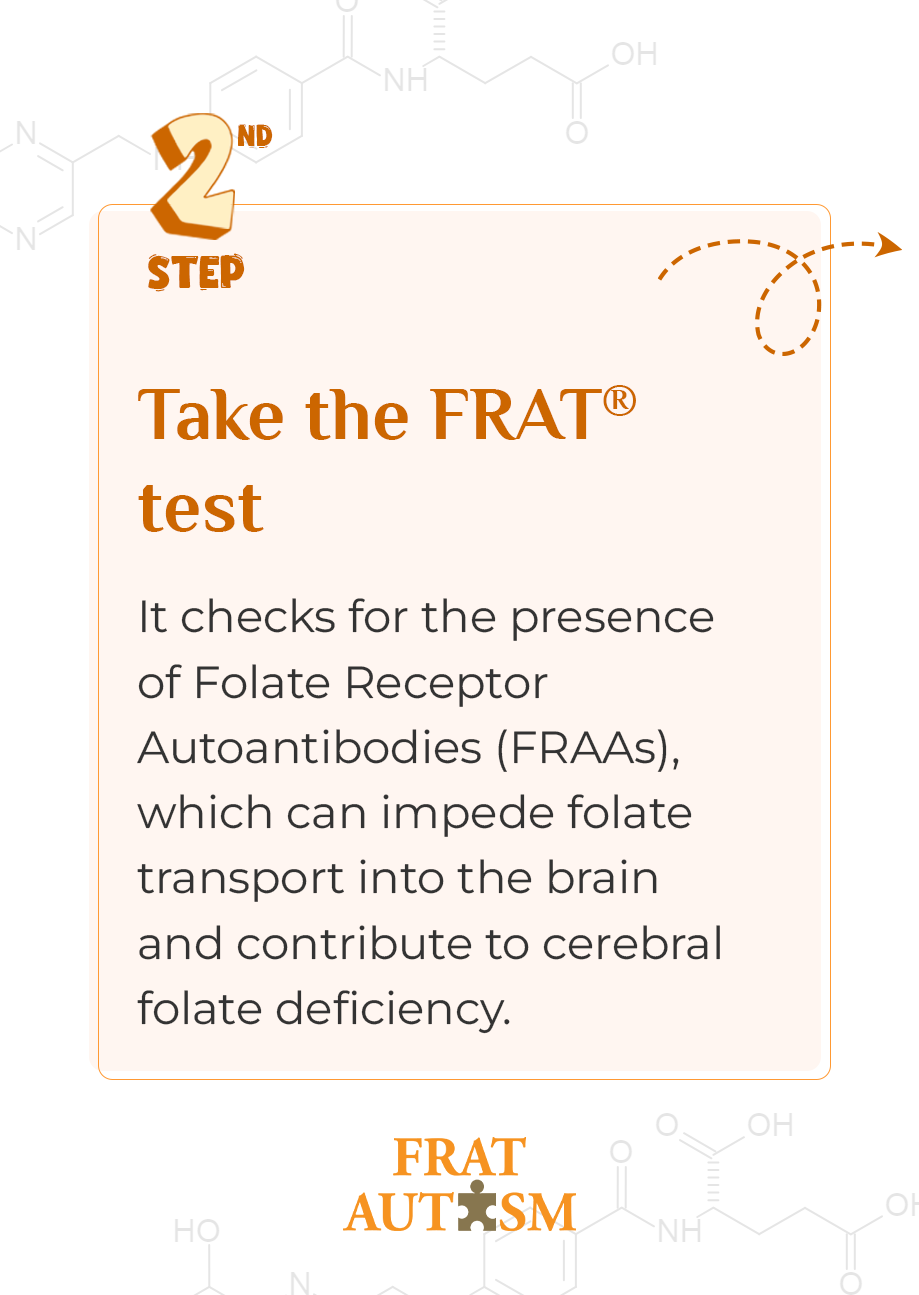
A significant percentage of autistic children may have Cerebral Folate Deficiency Syndrome (CFDS), a condition in which the brain lacks sufficient folate (Vitamin B9) despite normal folate levels in the blood. This deficiency is often associated with Folate Receptor Autoantibodies (FRAAs), which can block folate from crossing the blood-brain barrier.
When the brain does not receive adequate folate, it may cause neurological irritability and cognitive delays, potentially making it more challenging for a child to engage with and benefit from traditional behavioural therapies. The FRAT® test helps identify these autoantibodies, offering insights into a possible biological factor contributing to a child’s developmental challenges.
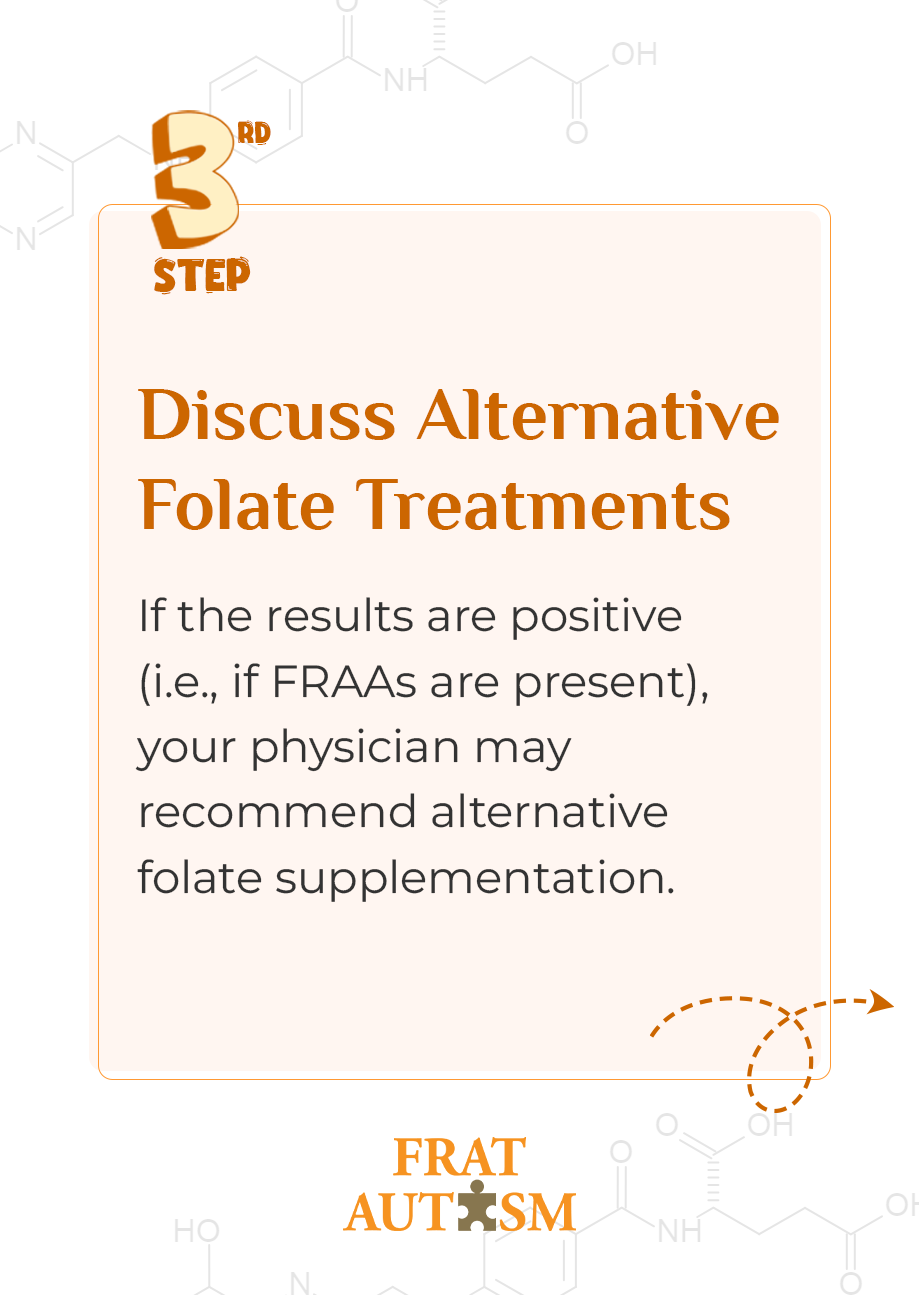
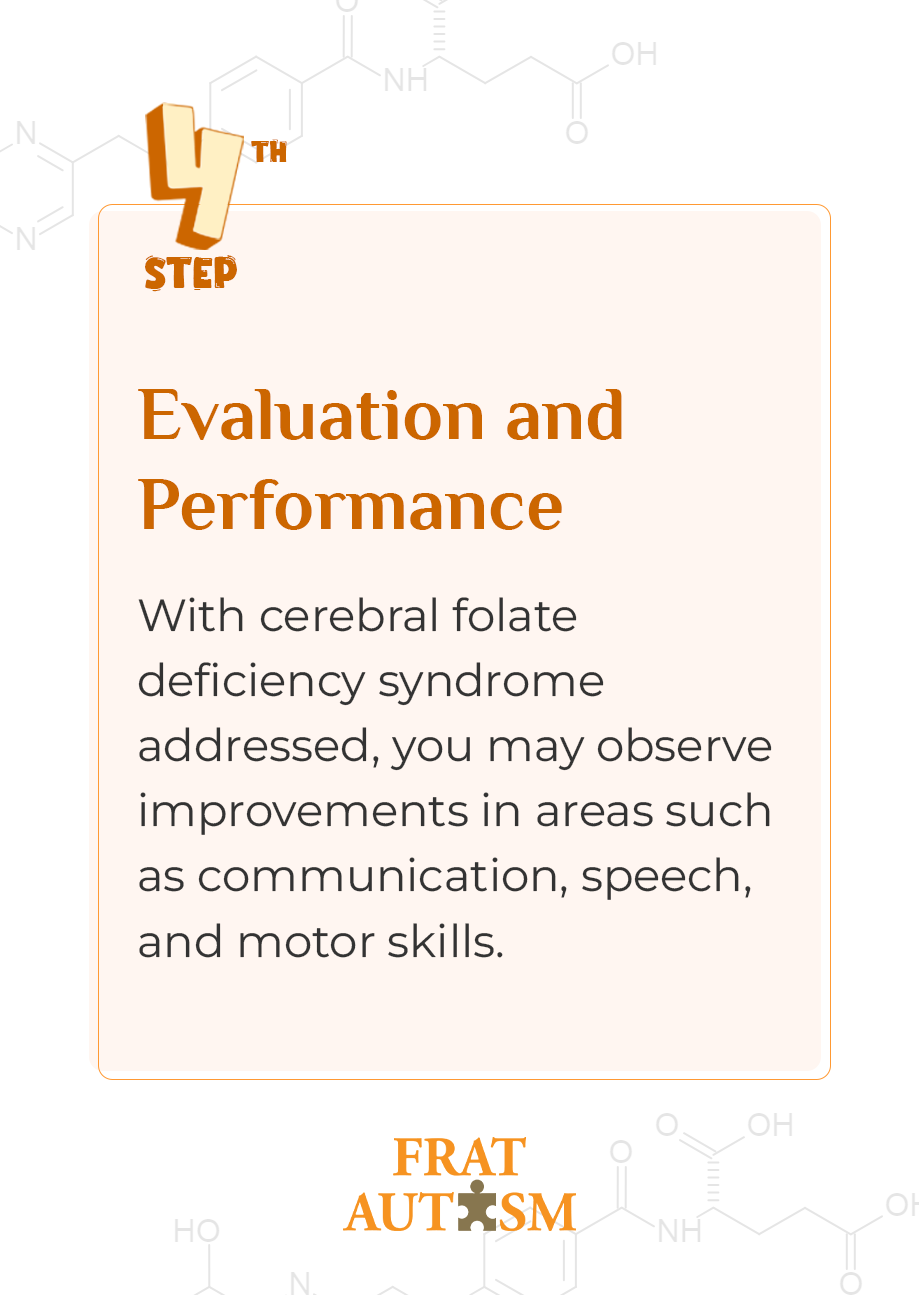
By addressing an underlying folate deficiency through targeted treatments, clinicians may help restore adequate folate levels in the brain. This biological support may help improve the child’s physiological readiness to engage with and benefit from behavioural and educational therapies.
References
- PubMed Central (Gastrointestinal Issues and Autism Spectrum Disorder) – https://pmc.ncbi.nlm.nih.gov/articles/PMC8608248/
- PubMed Central (Does Serotonin in the intestines make you happy?) – https://pmc.ncbi.nlm.nih.gov/articles/PMC7659911/
- PubMed Central (The relationship between autism spectrum disorder and sleep) – https://pmc.ncbi.nlm.nih.gov/articles/PMC8848524/
- National Autistic Society (Epilepsy and Autism) – https://www.autism.org.uk/learn/knowledge-hub/professional-practice/epilepsy-autism
- Autism Research Institute (Autism and Co-occurring Conditions in Children) – https://autism.org/autism-mental-health/
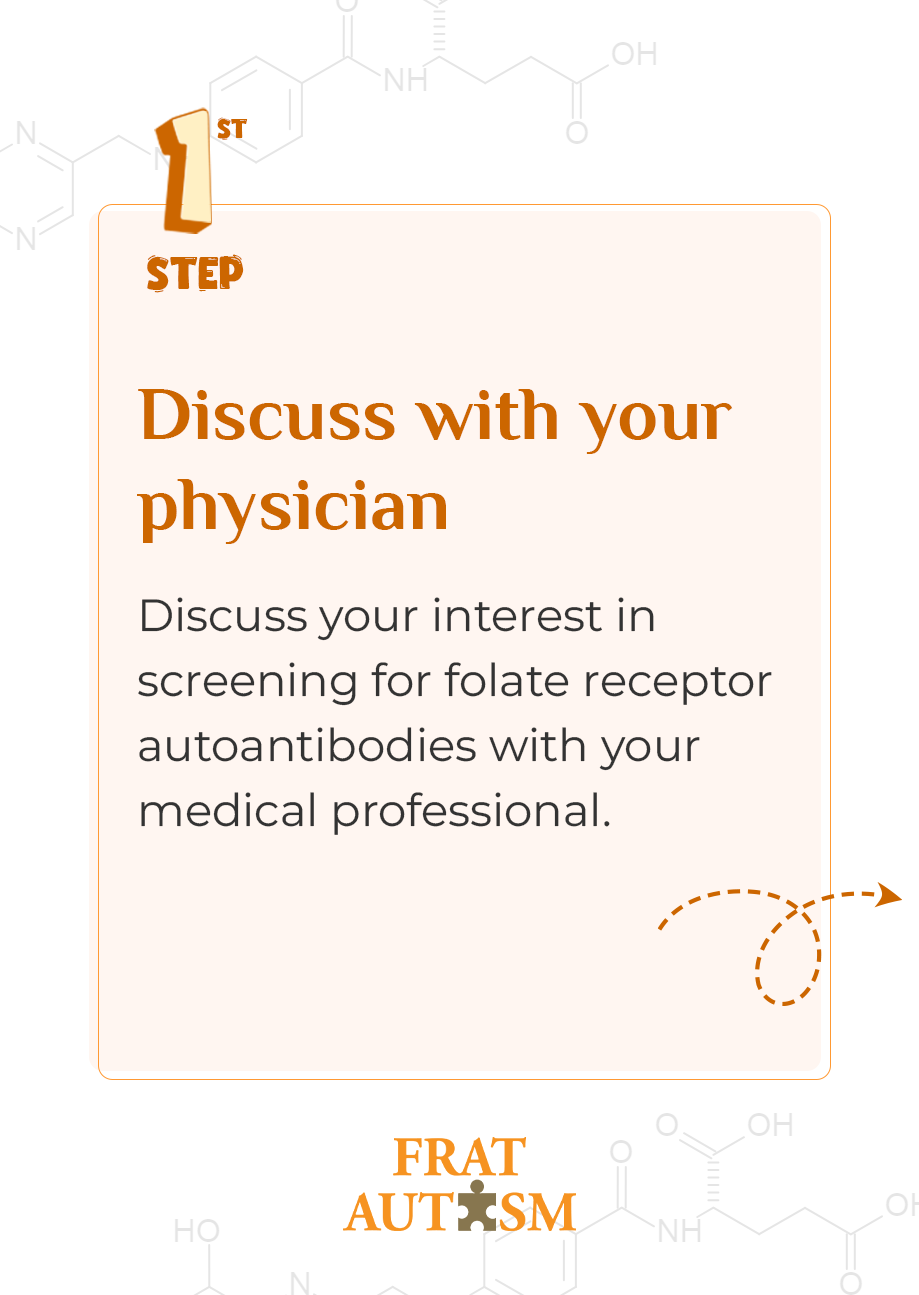
Curious to know if your child has these autoantibodies?
Here’s what you can do:
More Answer For You
- Can you be diagnosed with autism as an adult?
- How Is Autism Evaluation Performed?
- What Happens to Autistic Children When They Transition into Adulthood?
- What Are The Common Early Behavioral Signs Of Autism In Young Children?
- How Do People with Profound Autism Communicate?
- What Type of Doctor Diagnoses Autism?
- How to Support a Child with Autism in the Classroom?
- How To Explain Autism To Kids?
- Can People with Profound Autism Talk?
- What Is Profound Autism?
- Why Is Autism More Common In Males?
Is a Biological Roadblock Holding Back Your Child's Progress?
Don't just manage behaviors - address the underlying brain chemistry.
Identifying Folate Receptor Autoantibodies is the first step towards a more targeted autism care plan.
To request a FRAT® test kit, click the button below.