
People with profound autism rely on behavioral cues, physical actions, and assistive tools rather than traditional speech to communicate.
Individuals with profound autism are either nonverbal or minimally verbal. Here is how they communicate:
1. Assistive Technology (AAC)
- Nonverbal: Use picture cards (PECS) or voice-generating speech devices to select icons representing their needs.
- Minimally Verbal: Use digital screens to tap out full sentences that complement their spoken words.
2. Sounds and Vocalizations
- Nonverbal: Communicate through untargeted sounds like humming, shrieking, or crying to signal joy or pain.
- Minimally Verbal: Use repetitive phrases, scripts, or single words (echolalia) to request items or show emotions.
3. Gestures and Body Language
- Nonverbal: Use physical cues like hand-leading a caregiver, pointing, or turning away to show preferences.
- Minimally Verbal: Combine physical gestures with spoken words, like pointing at an object while naming it.
4. Behavior
- Nonverbal: Express sensory overload, distress, or physical pain through meltdowns or self-injurious actions.
- Minimally Verbal: Exhibit sudden tantrums or running away when they experience frustration trying to find words.
What is Cerebral Folate Deficiency?
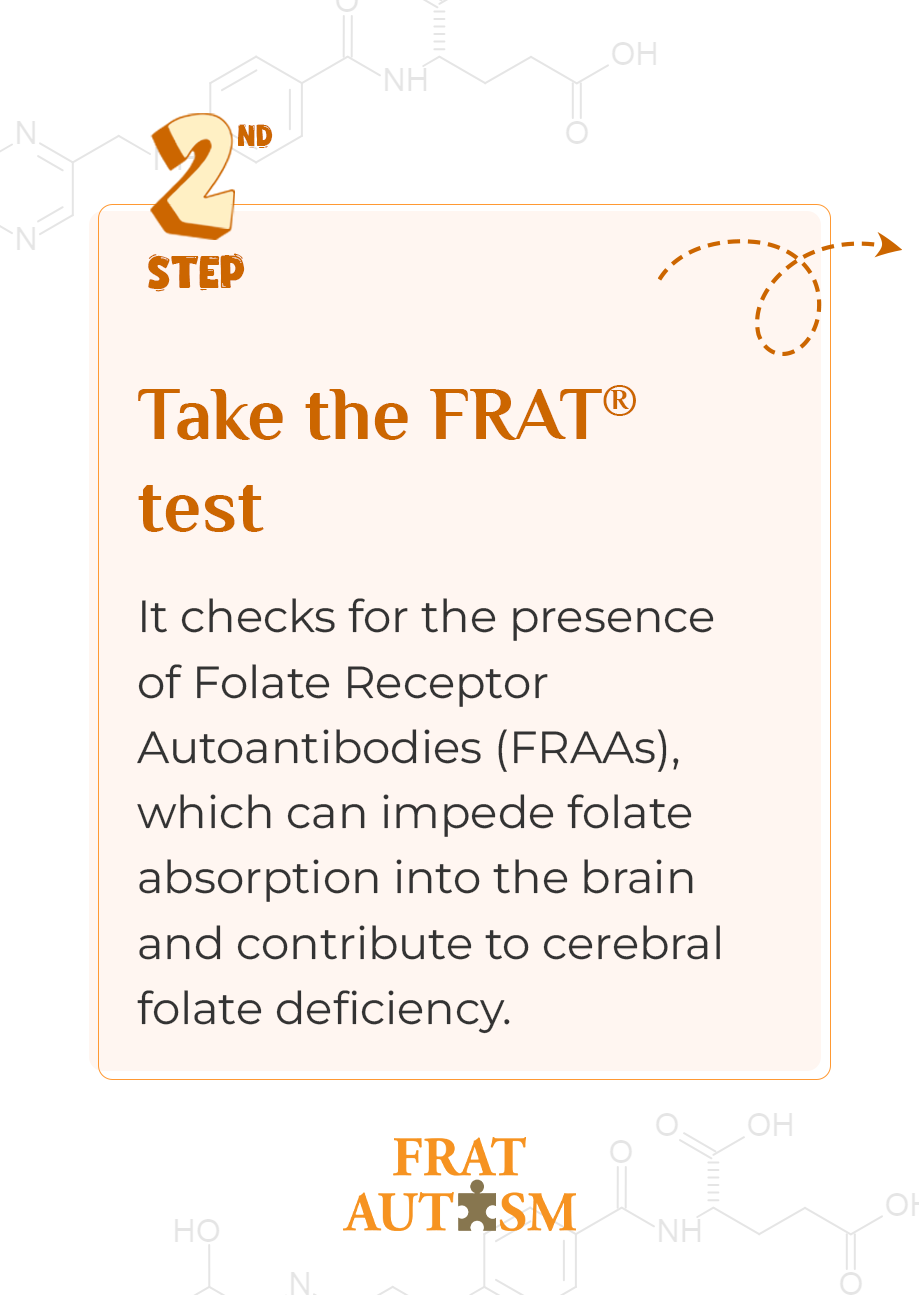
Cerebral folate deficiency is a neurological condition where the brain is starved of folate (Vitamin B9) despite normal blood levels. It occurs when the immune system mistakenly produces Folate Receptor Autoantibodies (FRAAs).
These antibodies block folate from crossing the blood-brain barrier, depriving the central nervous system of essential nutrients. A significant percentage of children with autism may have these folate-blocking antibodies. This nutrient deficiency causes cognitive delays, speech issues, and neurological irritability, making it difficult for children to process traditional behavioral therapies.
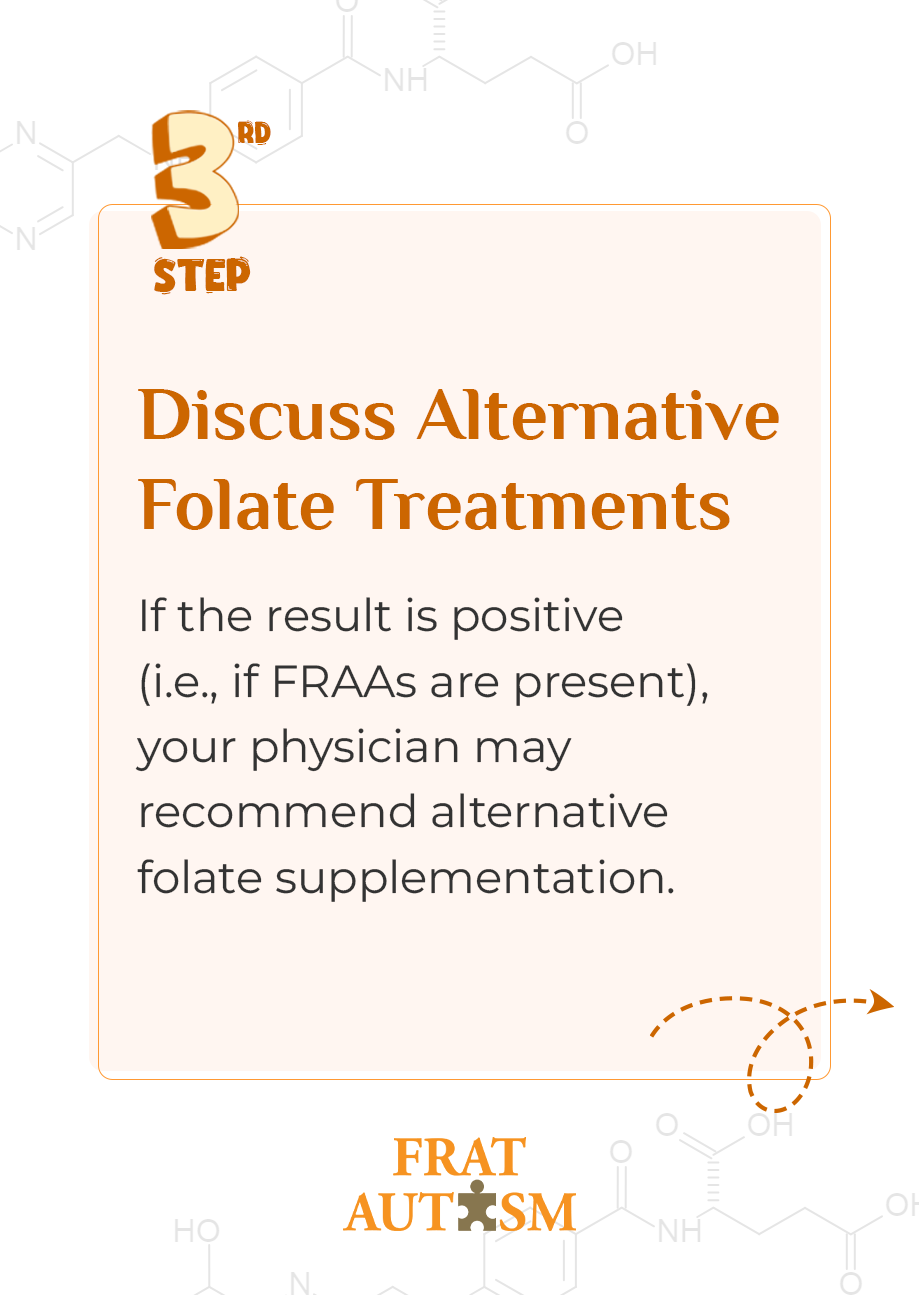
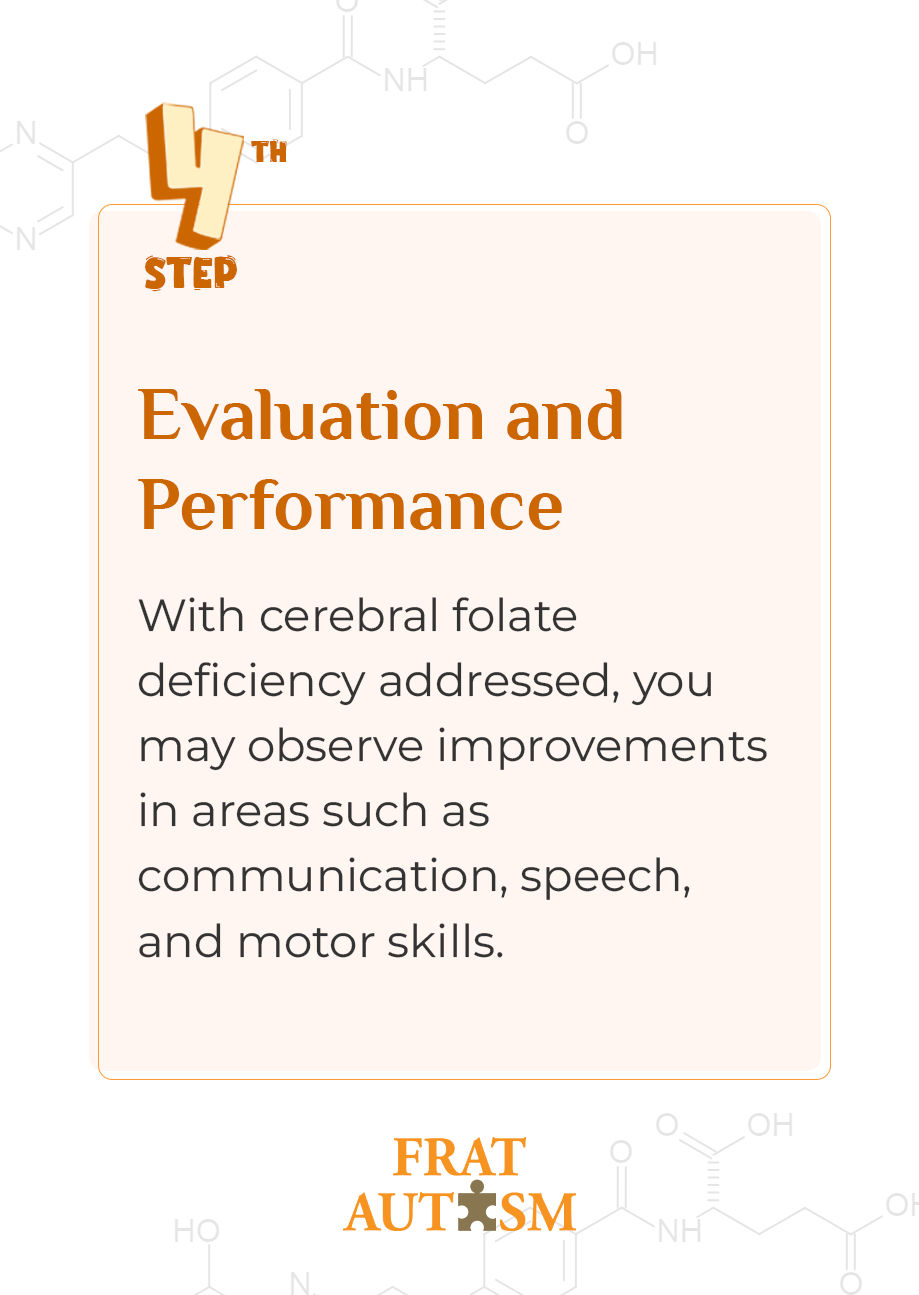
The FRAT® (Folate Receptor Autoantibody Test) can help identify a biological reason why a child may be struggling to make progress. Once CFD is confirmed, clinicians can restore the brain’s folate supply with targeted treatments. This may improve the child’s therapeutic readiness, helping them gain the greatest benefit from behavioral and educational interventions.
Curious to know if your child has these autoantibodies?
Here’s what you can do:

Is a Biological Roadblock Holding Back Your Child's Progress?
Don't just manage behaviors - address the underlying brain chemistry.
Identifying Folate Receptor Autoantibodies is the first step towards a more targeted autism care plan.
To request a FRAT® test kit, click the button below.