
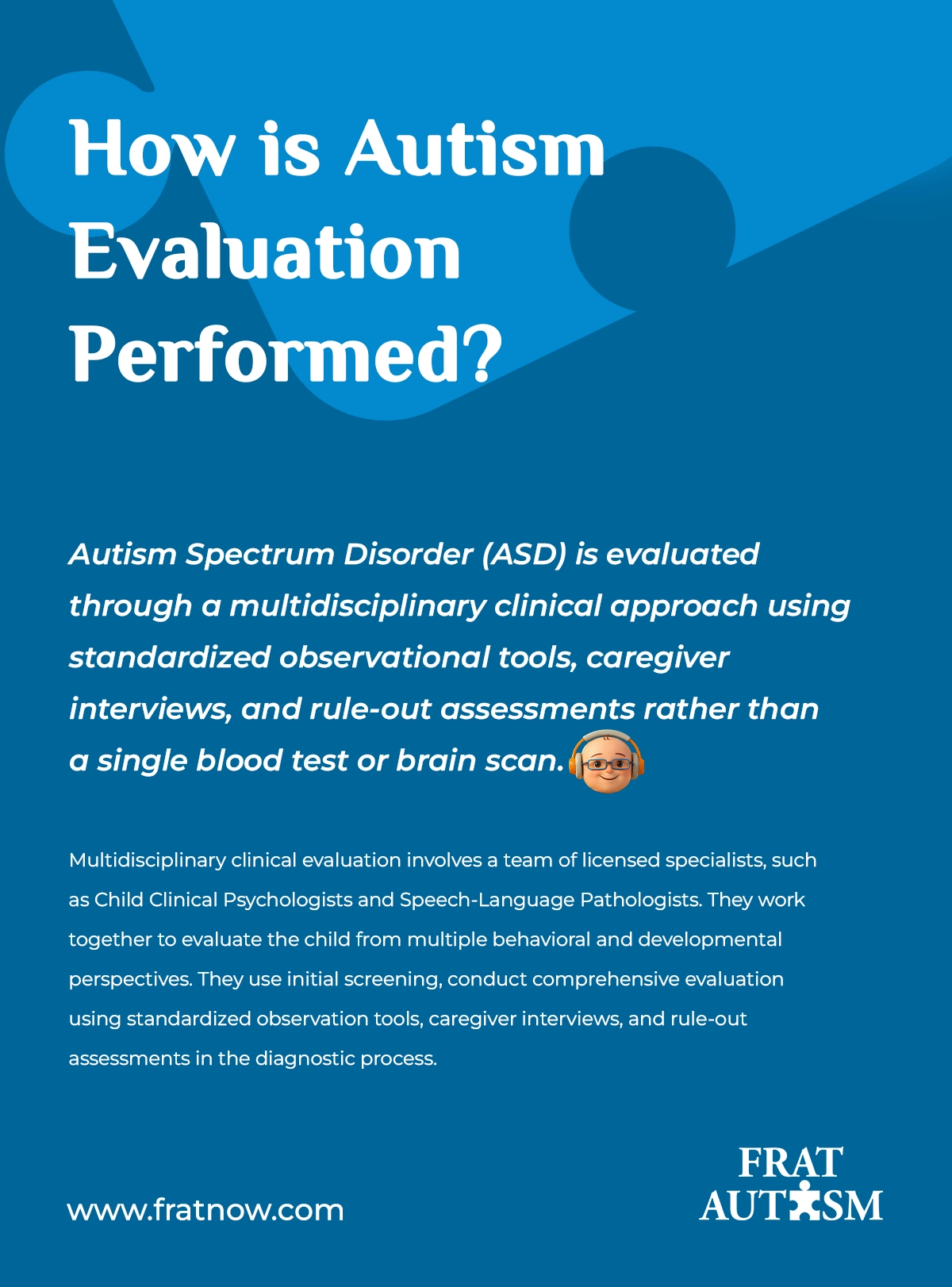
Autism Spectrum Disorder (ASD) is evaluated through a multidisciplinary clinical approach using standardized observational tools, caregiver interviews, and rule-out assessments rather than a single blood test or brain scan.
1. Multidisciplinary Clinical Evaluation
- The Clinical Team: Multidisciplinary means a team of specialists collaborates to evaluate a child across developmental areas. While Speech-Language Pathologists (SLPs) and Occupational Therapists (OTs) evaluate communication and sensory/motor skills, the formal clinical diagnosis is rendered by licensed specialists such as Child Clinical Psychologists, Developmental-Behavioral Pediatricians, Child Neurologists, or Child Psychiatrists.
- Example: A speech pathologist evaluates how a child uses words or gestures to communicate, while a child psychologist observes how they play, process emotions, and interact with peers.
- Initial Screening: Questionnaires like the M-CHAT-R/F (Modified Checklist for Autism in Toddlers/Revised with Follow-Up), completed during 18- or 24-month pediatric checkups, serve as brief screeners. A positive screening does not mean a diagnosis; it indicates that the child should be referred for a comprehensive evaluation.
- Example: A parent completes a checklist noting that their 2-year-old does not make eye contact or respond when their name is called, prompting the pediatrician to recommend a full evaluation.
2. Comprehensive Evaluation Using Standardized Tools
- Direct Observation (ADOS-2): Evaluators use gold-standard tools, most notably the ADOS-2 (Autism Diagnostic Observation Schedule), to observe real-time social communication, play behaviors, and repetitive patterns in a semi-structured setting.
- Behavioral & Adaptive Functioning Assessments: Evaluators supplement direct observation with standardized parent/teacher questionnaires:
- Behavioral Assessments (e.g., BASC-3, SRS-2): Evaluate emotional and behavioral traits across home and school environments.
- Adaptive Behavior Scales (e.g., Vineland-3, ABAS-3): Measure a child’s practical daily living skills (such as dressing, personal safety, and social communication).
- Example: A child might appear quiet or overwhelmed in a clinical office, but teacher and parent rating scales reveal that they experience significant sensory overload and struggle with social interactions in noisy classrooms.
3. Caregiver Interviews & Parent Logs
- Developmental History (ADI-R): Clinicians conduct structured interviews with caregivers (such as the ADI-R or Autism Diagnostic Interview-Revised) to gather details regarding early developmental milestones, speech progression, and any skill regression.
- Example: The clinician asks detailed questions about when the child first babbled, walked, or whether they suddenly stopped using words they previously knew.
- Parent-Maintained Logs: Caregivers support the assessment by documenting daily routines, transitions, social responses, and sensory behaviors. Bringing real-world video clips of repetitive movements or sensory reactions provides clinicians with valuable context.
4. Rule-Out Assessments, Diagnosis, & Support Levels
- Rule-Out Assessments & Medical Workups: Evaluators order tests to rule out underlying conditions or identify co-occurring traits:
- Audiology Screenings: Confirm that speech delays are not due to hearing loss.
- Genetic Testing & Neurological Workups: Tests like Chromosomal Microarray or Fragile X screening may be recommended to check for underlying genetic conditions.
- DSM-5-TR Diagnostic Criteria & Severity Levels: Clinicians measure all observations and historical data against criteria in the DSM-5-TR manual. If criteria across core domains (social communication and restricted/repetitive behaviors) are met, the evaluator confirms a diagnosis and assigns a severity level based on daily support requirements:
- Level 1: Requiring support
- Level 2: Requiring substantial support
- Level 3: Requiring very substantial support
Note for Caregivers: A clinical diagnosis is provided by healthcare providers for medical care, therapy authorization, and insurance coverage. This is separate from an educational evaluation conducted by a public school district, which determines eligibility for school accommodations (such as an IEP or 504 Plan).
Detection of Cerebral Folate Deficiency (CFD)
Clinicians may recommend secondary biological screenings while diagnosing autism to check for co-occurring, treatable conditions. One critical factor is Cerebral Folate Deficiency (CFD).
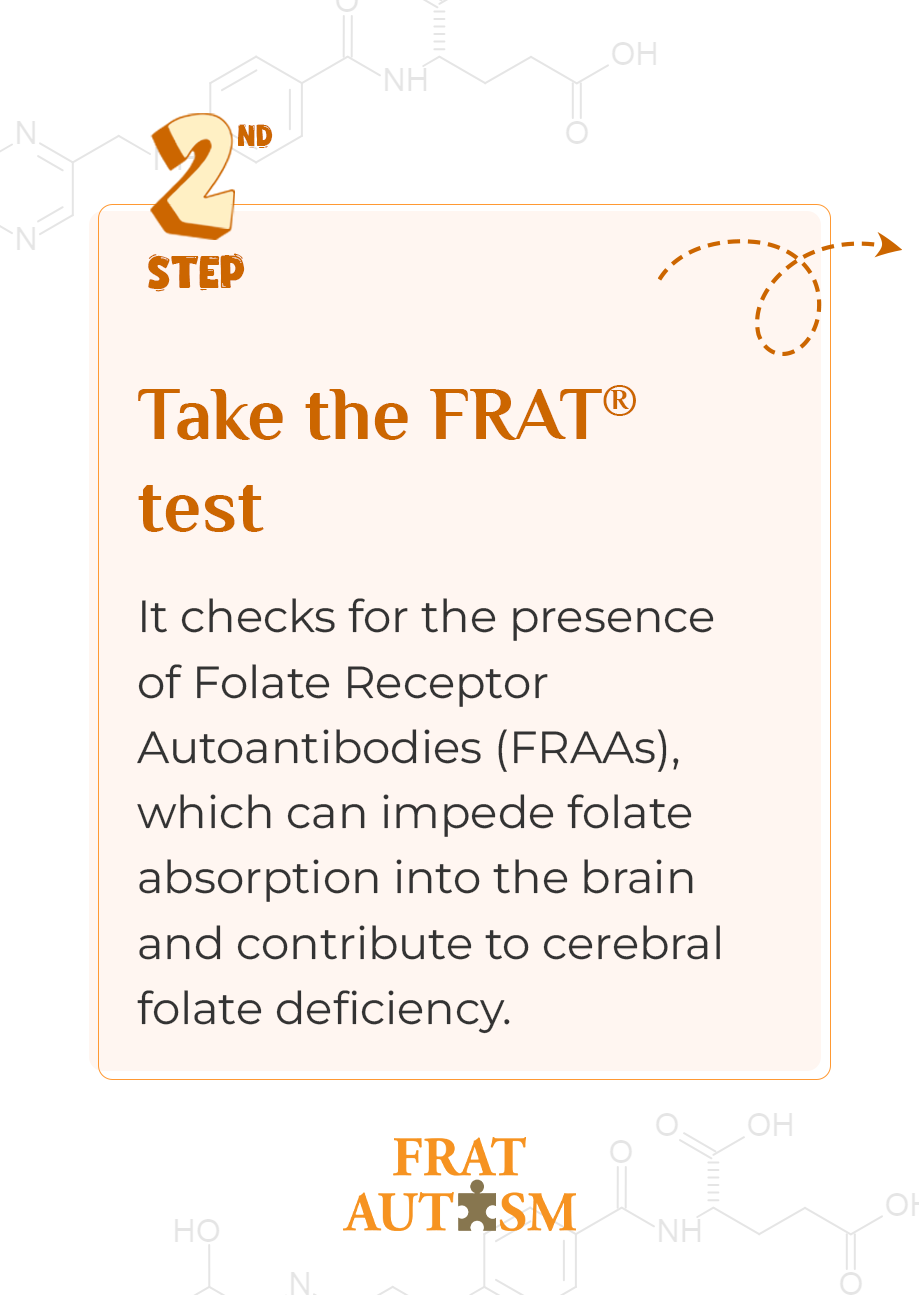
CFD is a metabolic condition where Folate Receptor Autoantibodies (FRAAs) block essential Vitamin B9 (folate) from entering the brain, which can worsen speech delays and cognitive struggles.
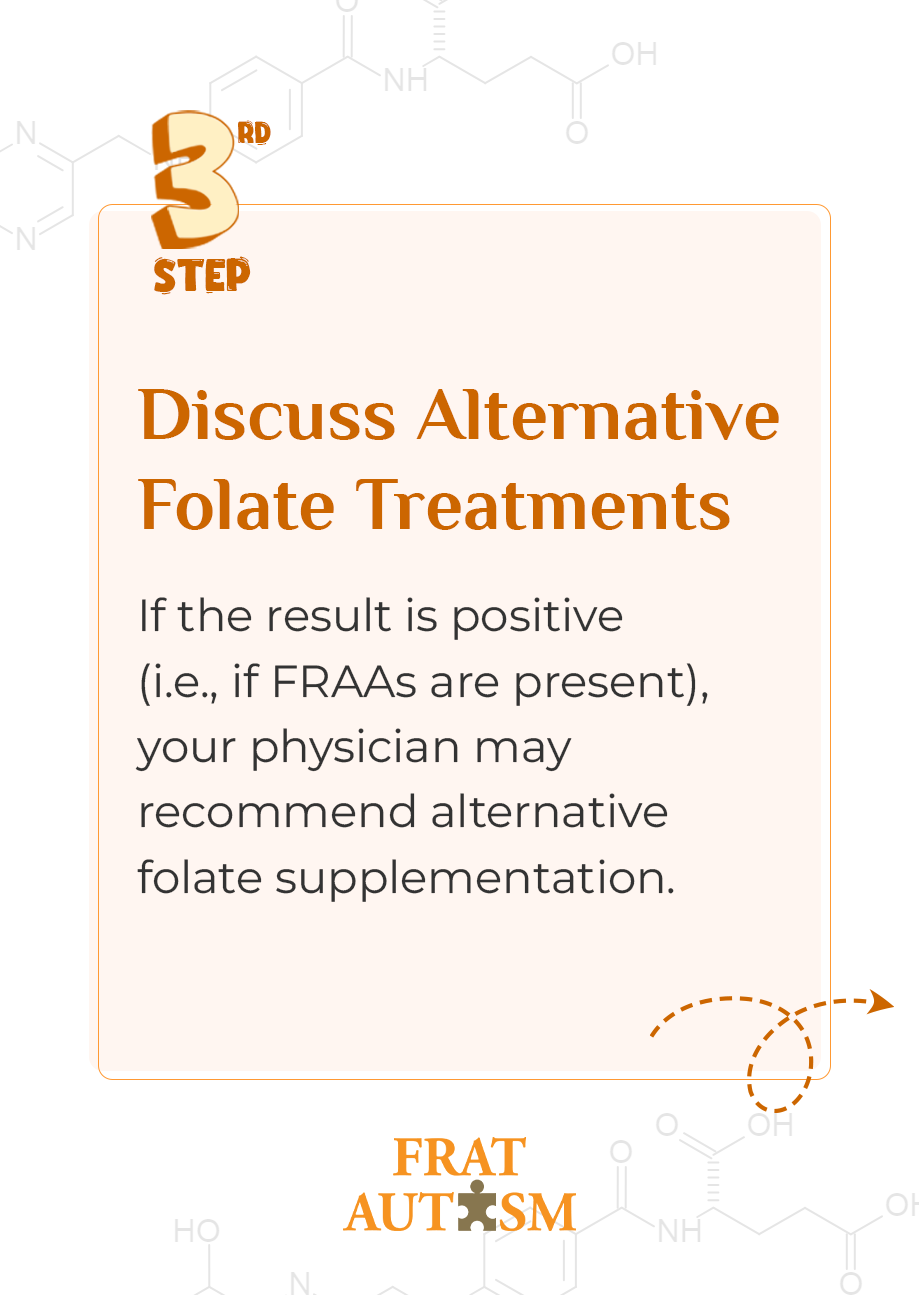
The FRAT® (Folate Receptor Antibody Test) helps detect these autoantibodies. The CFD diagnosis allows clinicians to prescribe targeted therapies to improve folate transport to the brain.
References
- National Library of Medicine: https://www.ncbi.nlm.nih.gov/books/NBK573609/
- US Centers for Disease Control and Prevention: https://www.cdc.gov/autism/hcp/diagnosis/index.html
- Child Mind Institute: https://childmind.org/article/what-should-evaluation-autism-look-like/
- DSM 5 Levels: https://childmind.org/article/understanding-the-levels-of-autism/
- ADI-R: https://www.appliedbehavioranalysisedu.org/what-is-adi-r-and-how-does-it-work/
- ADOS-2: https://www.autismtestinginstitute.com/blog/ados-2-explained-the-gold-standard-in-autism-testing
- M-CHAT R/F: https://www.autismspeaks.org/screen-your-child
- BASC-3: https://goldmancenter.org/resources/articles/behavior-assessment-system-for-children-third-edition-basc-3/
- ABAS-3: https://psycnet.apa.org/record/2021-31852-009
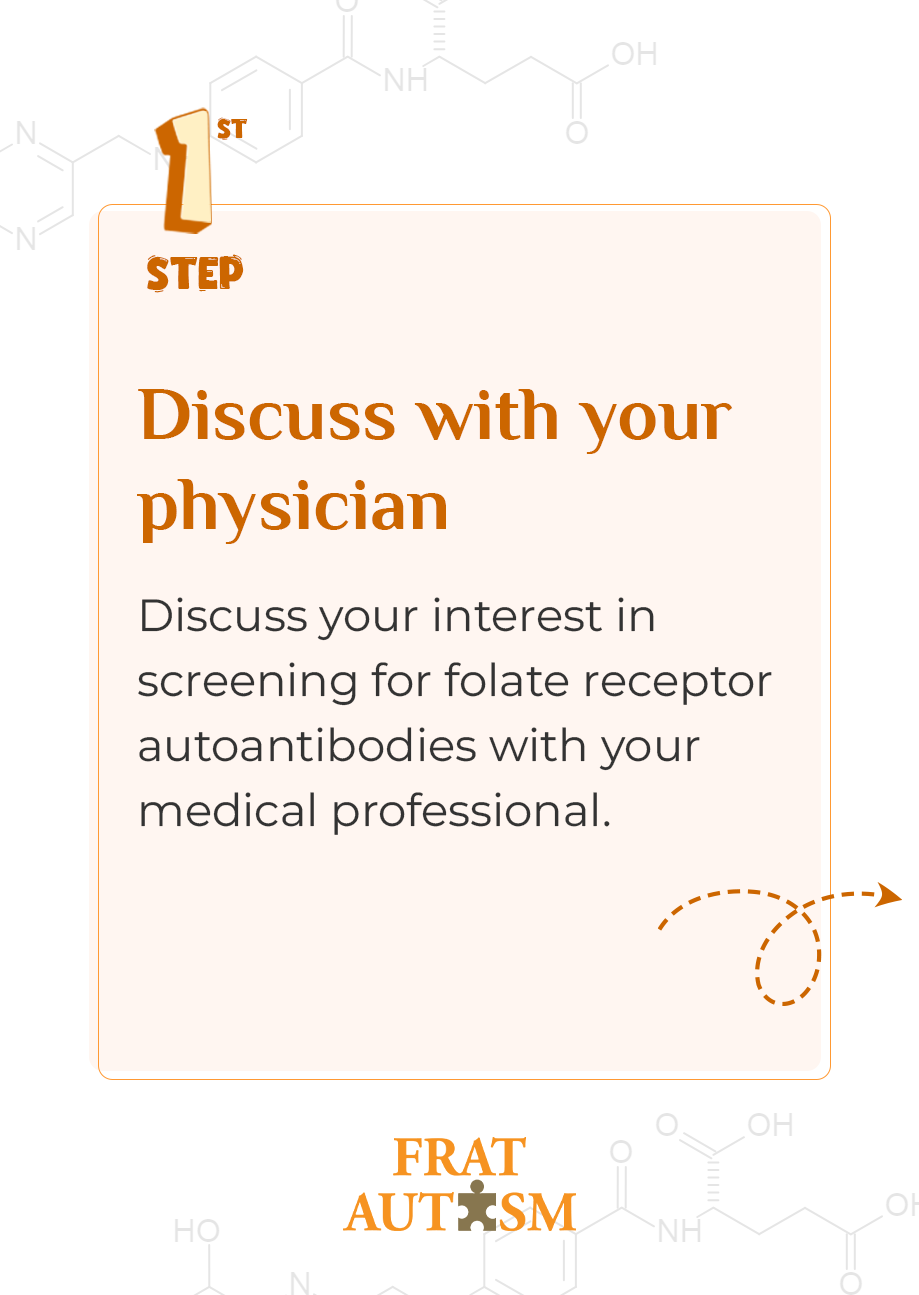
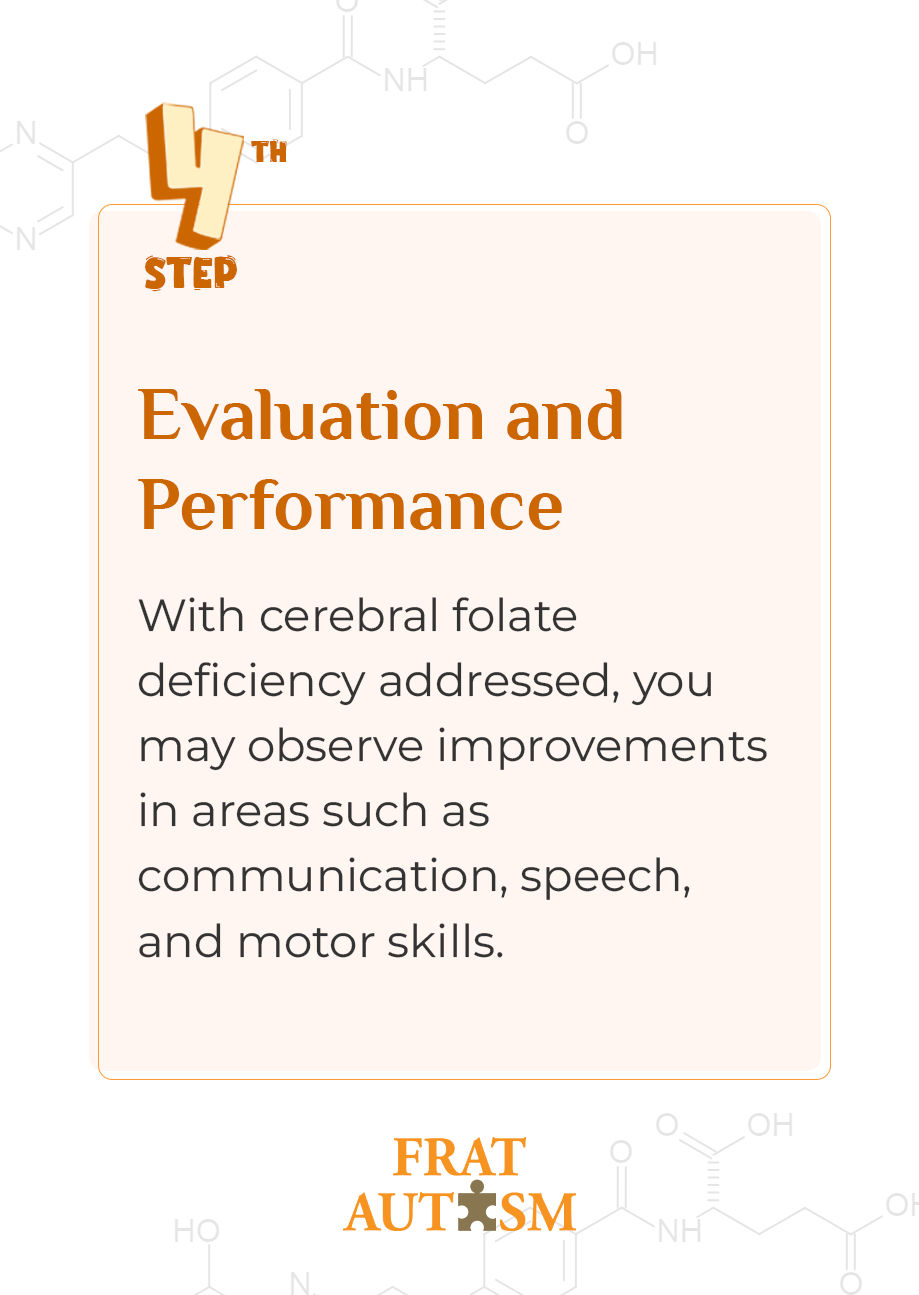
Curious to know if your child has these autoantibodies?
Here’s what you can do:
More Answer For You
- What Happens to Autistic Children When They Transition into Adulthood?
- What Are The Common Early Behavioral Signs Of Autism In Young Children?
- How Do People with Profound Autism Communicate?
- What Type of Doctor Diagnoses Autism?
- How to Support a Child with Autism in the Classroom?
- How To Explain Autism To Kids?
- Can People with Profound Autism Talk?
- What Is Profound Autism?
- Why Is Autism More Common In Males?
Is a Biological Roadblock Holding Back Your Child's Progress?
Don't just manage behaviors - address the underlying brain chemistry.
Identifying Folate Receptor Autoantibodies is the first step towards a more targeted autism care plan.
To request a FRAT® test kit, click the button below.