
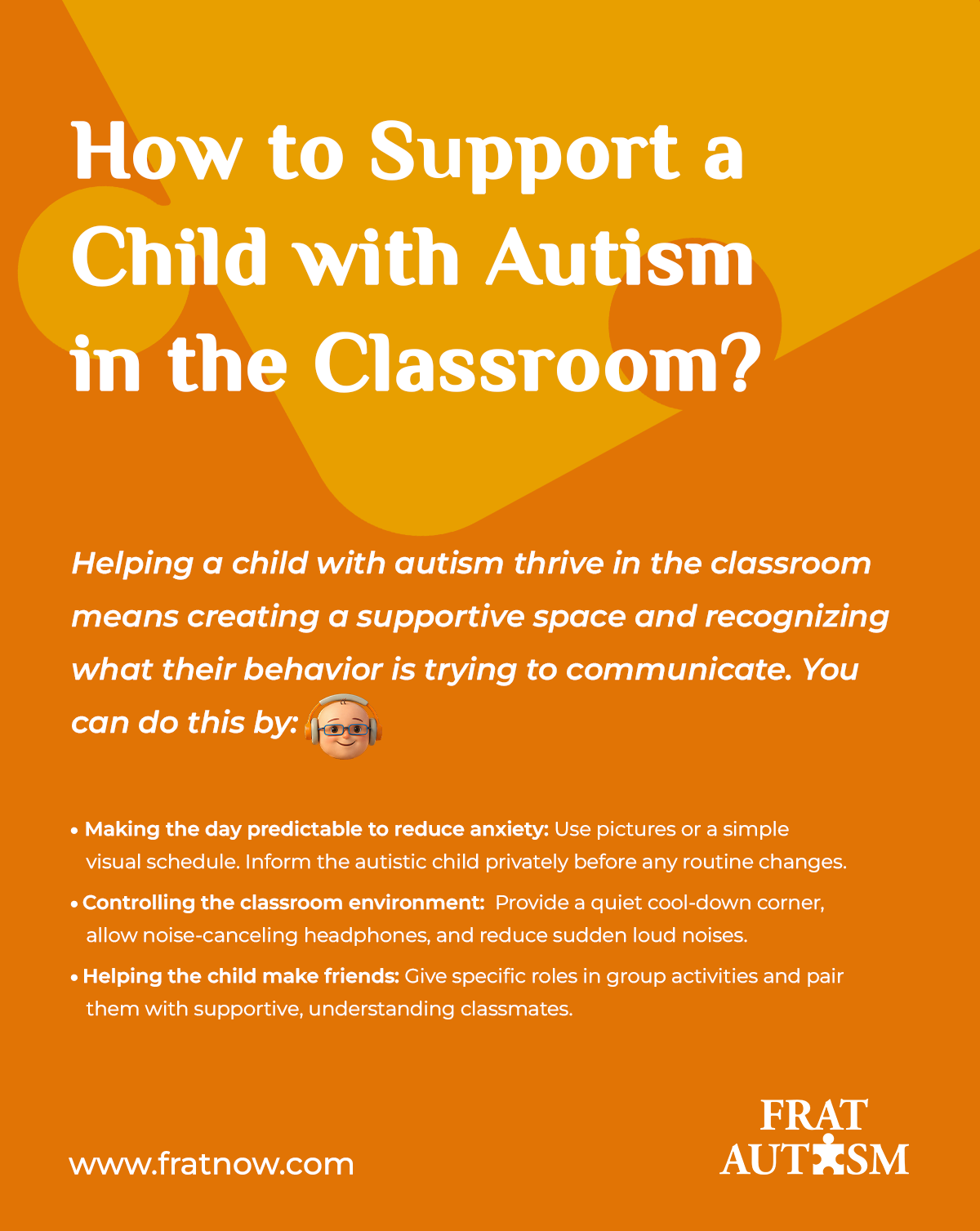
Helping a child with autism thrive in the classroom means creating a supportive space and recognizing what their behavior is trying to communicate. You can do this by:
- Making the day predictable to reduce anxiety
- Controlling the classroom environment to prevent sensory overload
- Helping the child make friends to build connections
Making the day predictable to reduce anxiety
- The Idea: Autistic children use a lot of energy just trying to guess what will happen next.
- The Action: Using pictures or a simple list, put a visual daily schedule on the board. If something in the routine changes, such as a surprise school assembly or a substitute teacher, give the autistic child a quiet, private heads-up a few minutes beforehand. This gives the child time to adjust mentally.
Controlling the classroom environment to prevent sensory overload
- The Idea: A classroom that feels normal to you can feel completely overwhelming to autistic children. Buzzing lights, scraping chairs, or a loud hallway can make their body go into stress mode.
- The Action: Create a quiet cool-down corner where the child can go to reset without getting in trouble. You can also let them wear noise-canceling headphones during quiet work time, or place chair leg caps at the bottom of the chair to prevent sudden, loud noises.
Helping the child make friends to build connections
- The Idea: Autistic students often want to fit in, but they might not understand the unwritten rules of playing at recess or working in a group.
- The Action: Instead of just saying, “go play” or “get into groups,” give the child with autism a specific role during group projects (like being the timekeeper or the supplies collector). You can also pair the child with kind, understanding classmates who are comfortable with different ways of talking and playing.
When autistic children act out, have a meltdown, or shut down, they aren’t trying to be bad. They’re showing that their surroundings have become too overwhelming to handle. In such situations, you must look past the behavior to identify and address what’s causing their stress in the classroom.
The Role of Folate Receptor Autoantibodies in Autism
The brain requires essential nutrients to build connections, process language, and regulate mood. One of the most critical nutrients for early brain development is folate (Vitamin B9). In a significant percentage of autistic children, the body’s natural delivery system for this nutrient faces a roadblock.
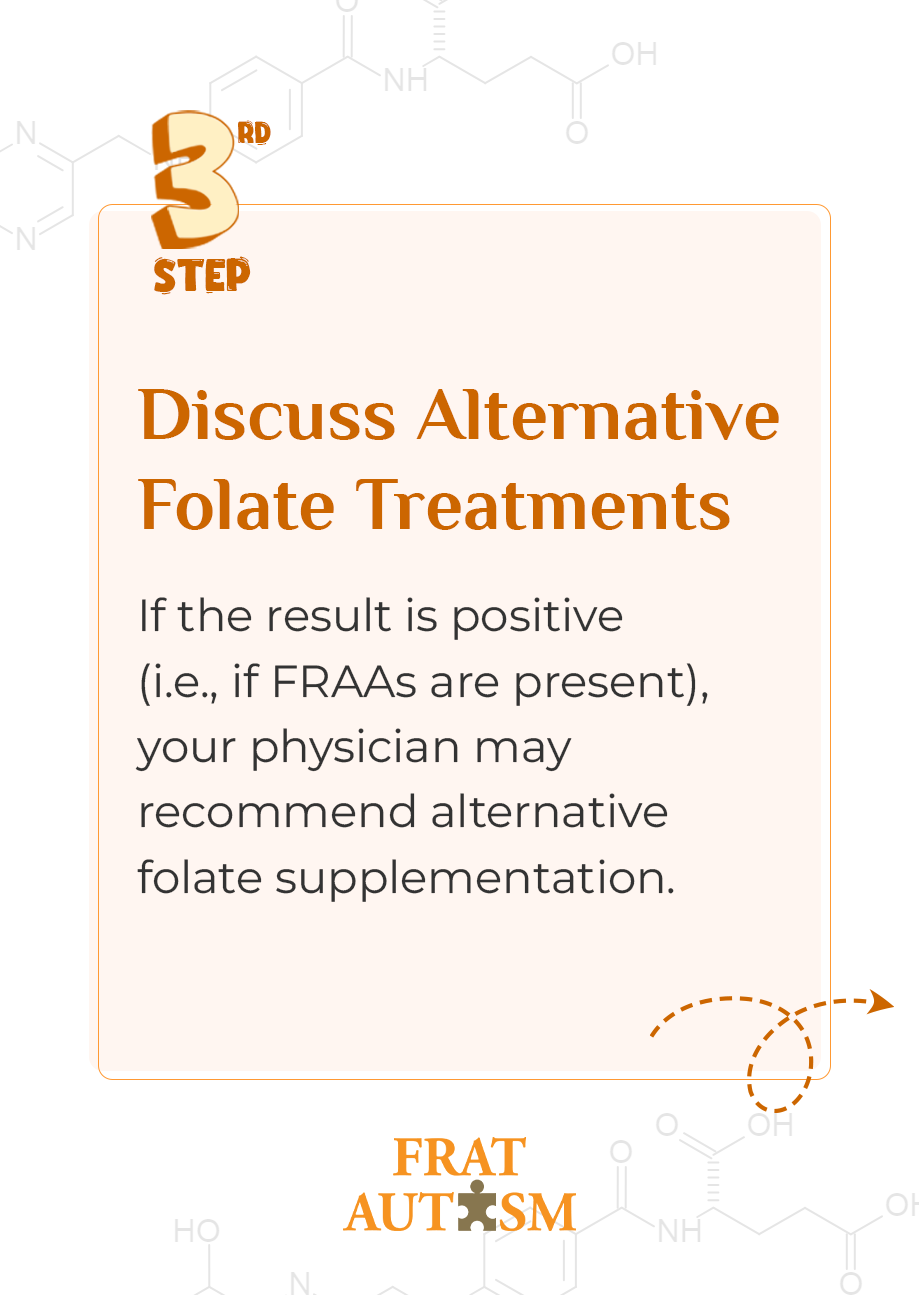
Their immune system can mistakenly create Folate Receptor Autoantibodies (FRAAs), which act like tiny biological traffic jams, blocking folate from properly crossing over into the brain cells where it is needed most. As a result, such children may continue to struggle with speech delays, focus issues, and behavioral challenges.
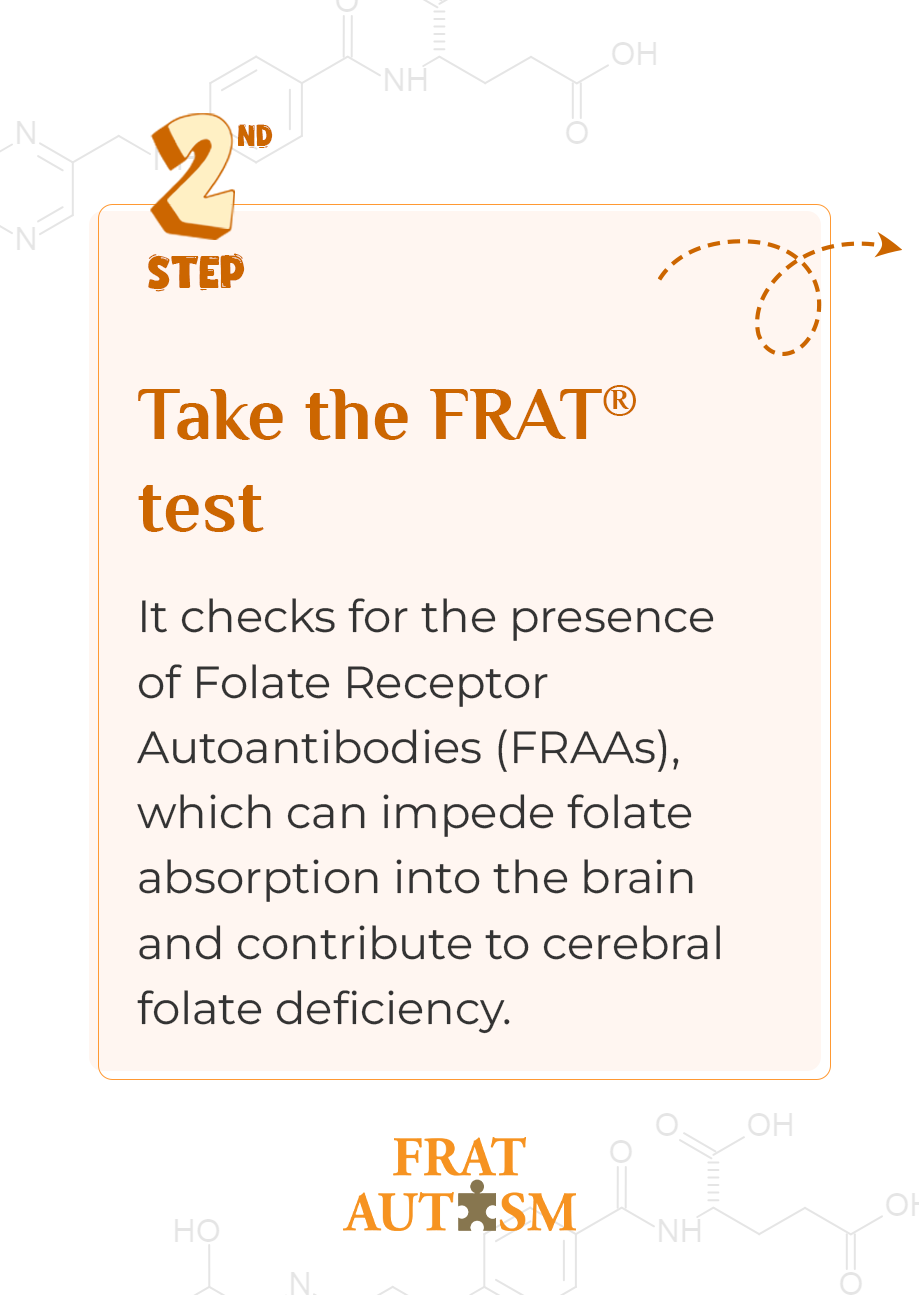
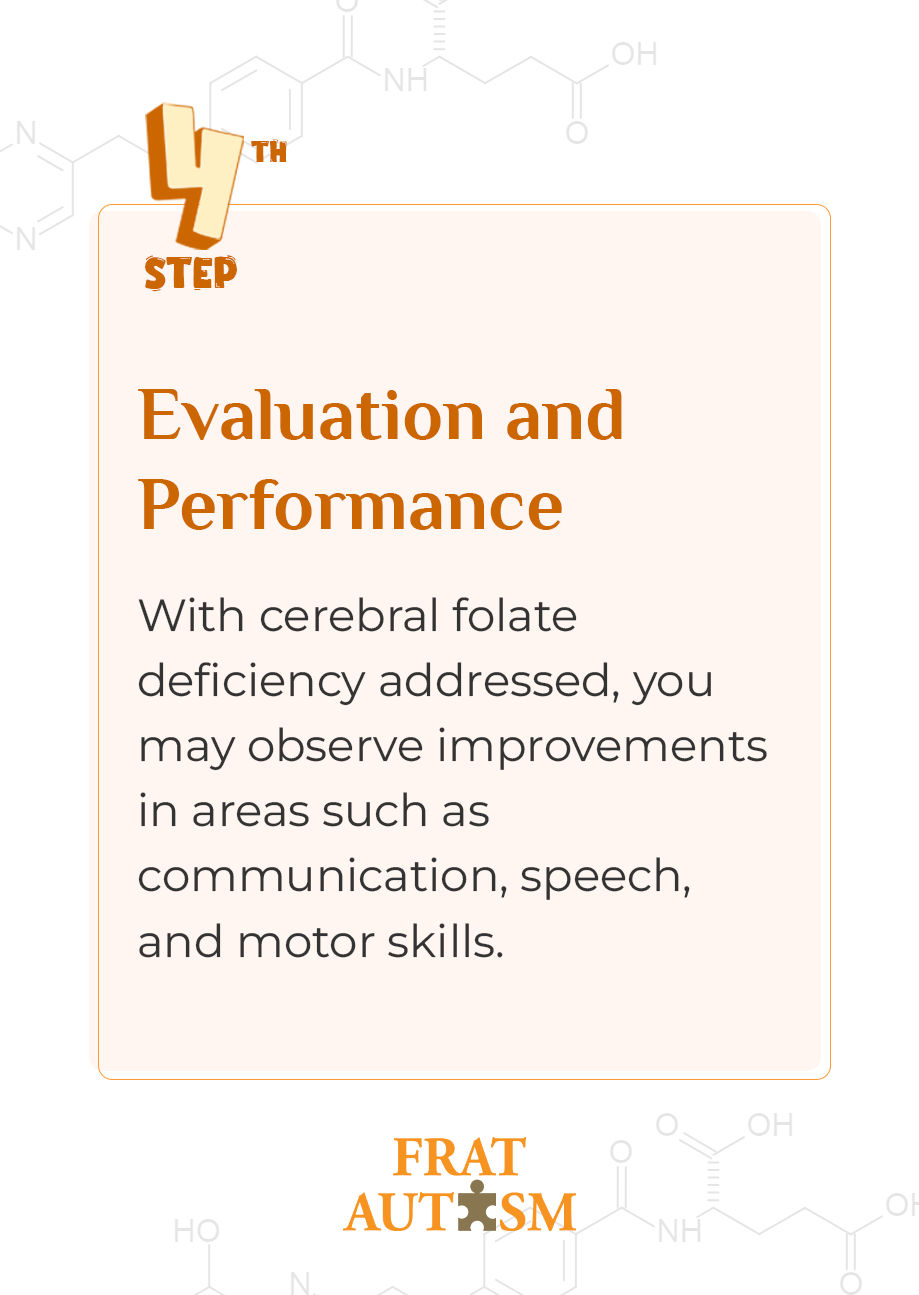
The FRAT® test detects the presence of FRAAs. Their early detection can lead to improved verbal communications in these children through targeted treatments.
Curious to know if your child has these autoantibodies?
Here’s what you can do:

Is a Biological Roadblock Holding Back Your Child's Progress?
Don't just manage behaviors - address the underlying brain chemistry.
Identifying Folate Receptor Autoantibodies is the first step towards a more targeted autism care plan.
To request a FRAT® test kit, click the button below.