
The common early behavioral signs of autism in young children are less social interaction, delayed speech, repetitive behavior, and a strong need for routine.
When discussing ‘young children’ in the context of early autism detection, clinicians generally refer to infants and toddlers between 6 months and 24 months of age, as rapid brain development occurs during this period.
The early behavioral signs of autism are best understood by age group:
By 6 to 9 Months:
- Limited eye contact during feeding or play.
- Rare social smiling or mirroring of warm facial expressions.
- Subtle differences in muscle tone or body posture.
(Note: Repetitive motor habits are rarely visible at this early stage)
By 12 Months:
- Inconsistent response to their name or familiar voices.
- Few social gestures (waving “bye-bye” or reaching to be held).
- Lack of joint attention (not pointing or looking where parents point).
13 to 18 Months:
- Playing with toy parts (spinning wheels) instead of whole toys.
- Lack of imitation in social games (like peek-a-boo).
- Speaking fewer than 3 to 6 meaningful words.
18 to 24 Months:
- Distinct hand-flapping, body rocking, or spinning.
- No two-word phrases by 24 months.
- High distress over minor routine changes.
What Should Parents Do If They Notice These Signs?
A single sign in isolation does not mean a child is autistic. However, if a child demonstrates multiple signs or loses skills they once had, prompt evaluation is recommended.
- Seek early intervention: Parents do not need a formal diagnosis to access state or local Early Intervention services, typically available for children under age 3.
- Consult a pediatrician: Share specific behavioral observations with your primary care provider to request a formal developmental evaluation or a referral to a developmental pediatrician, child psychologist, or pediatric neurologist.
Understanding Cerebral Folate Deficiency (CFD)
When a child shows early signs of autism, such as speech and language delays, it could be a sign of Cerebral Folate Deficiency (CFD). It is a neurological condition where the brain may be deficient in folate (Vitamin B9) despite normal levels of blood. This happens when the immune system produces Folate Receptor Autoantibodies (FRAAs) by mistake.
These autoantibodies prevent folate from crossing the blood-brain barrier, thus starving the brain of this essential nutrient. Folate receptor autoantibodies have been detected in a significant percentage of autistic children, possibly causing cognitive delays, speech issues, and neurological problems in them.
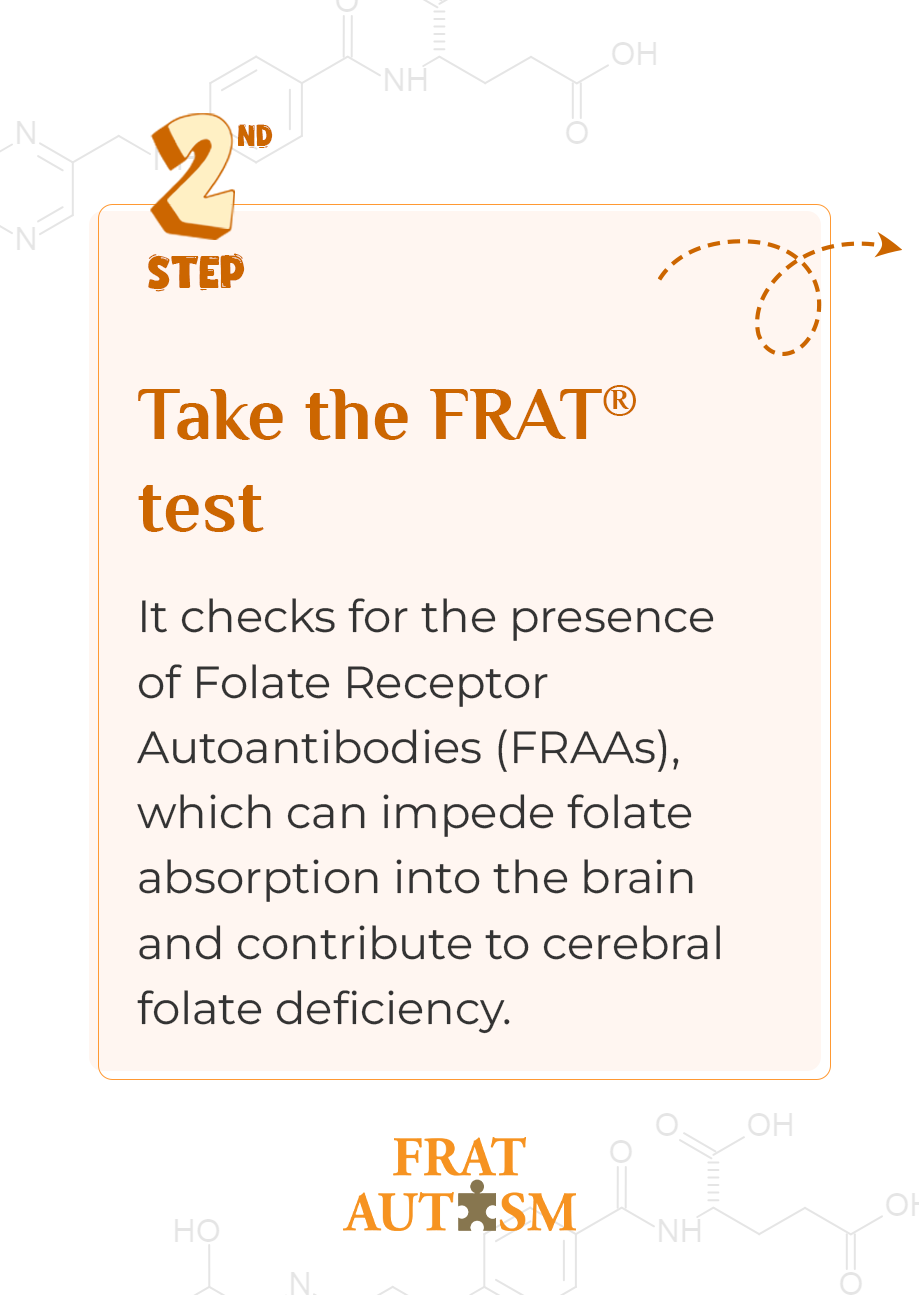
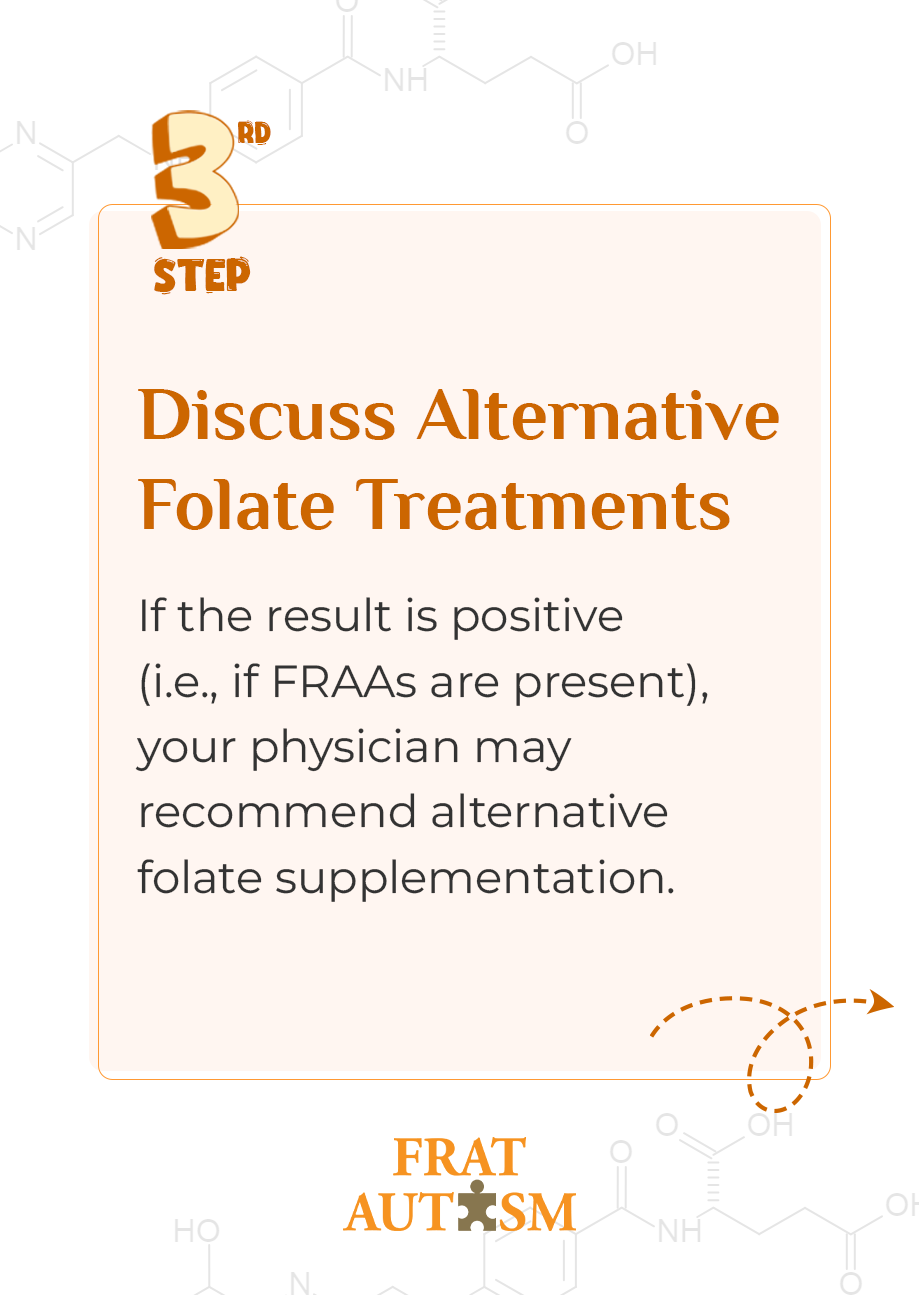
This is where the FRAT® (Folate Receptor Autoantibody Test) can be of help. It assists in identifying a potential biological reason behind the child struggling to make progress. When CFD is diagnosed, clinicians may recommend targeted folate therapy to improve brain folate availability.
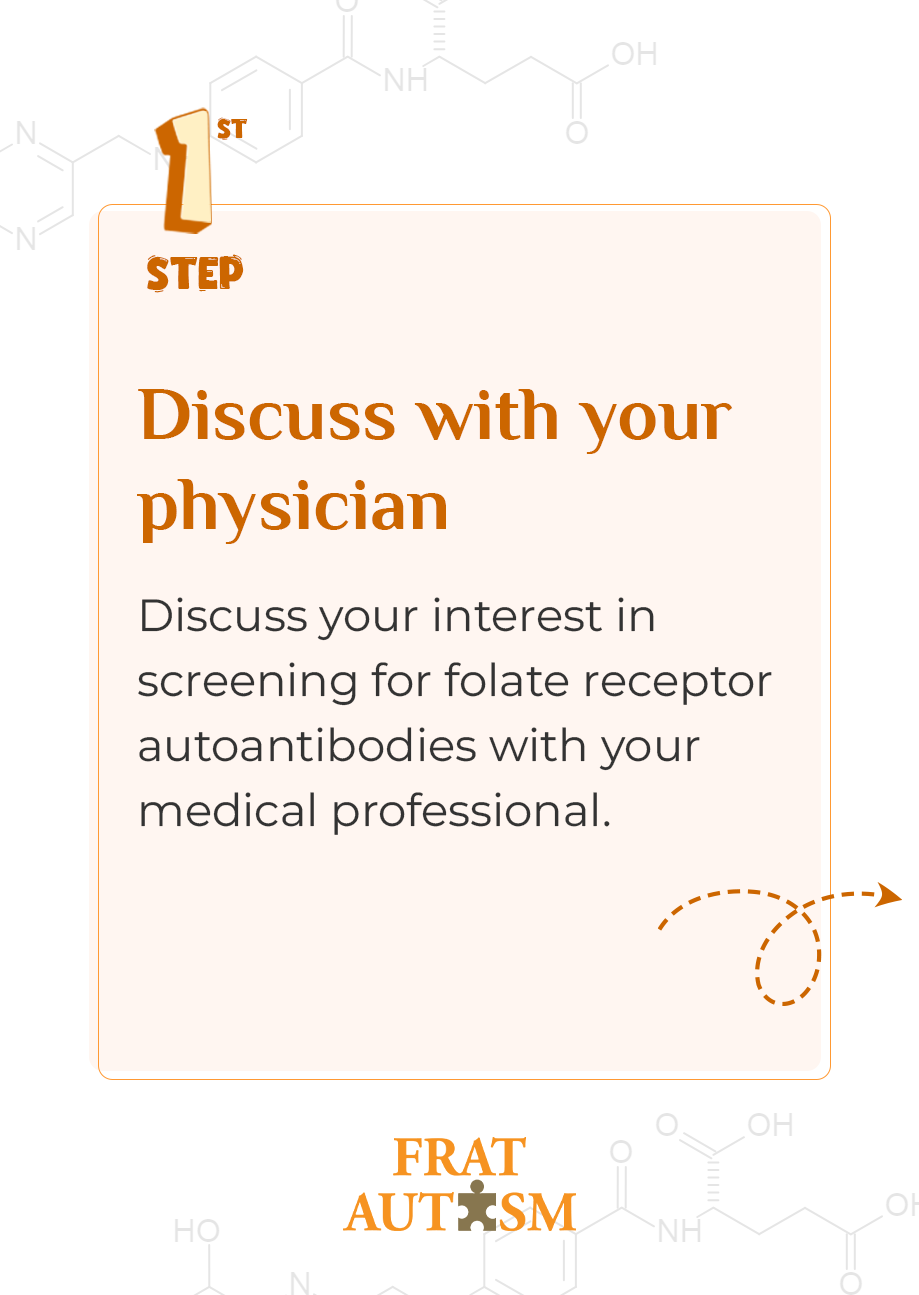
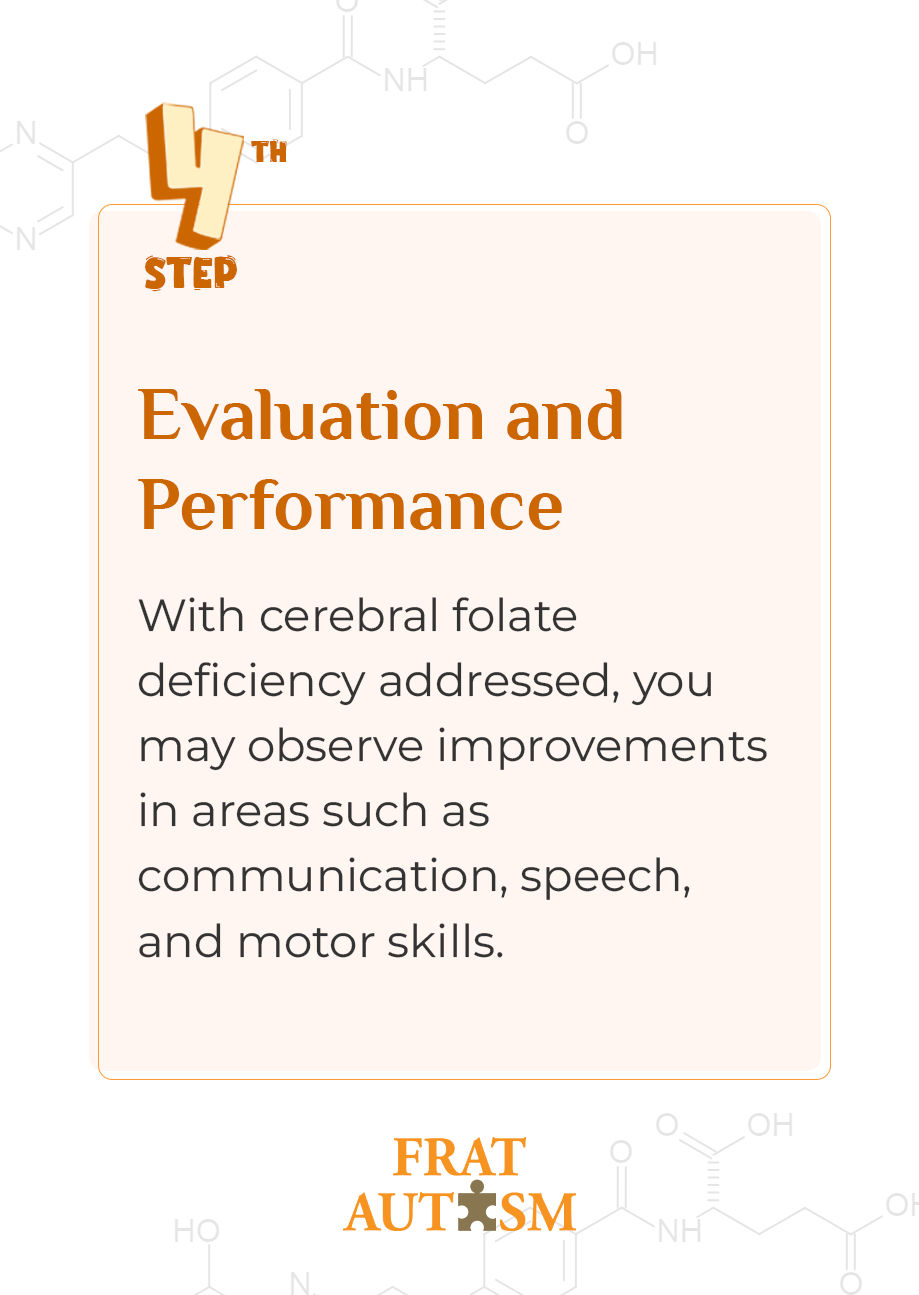
Curious to know if your child has these autoantibodies?
Here’s what you can do:
Is a Biological Roadblock Holding Back Your Child's Progress?
Don't just manage behaviors - address the underlying brain chemistry.
Identifying Folate Receptor Autoantibodies is the first step towards a more targeted autism care plan.
To request a FRAT® test kit, click the button below.