
Introduction
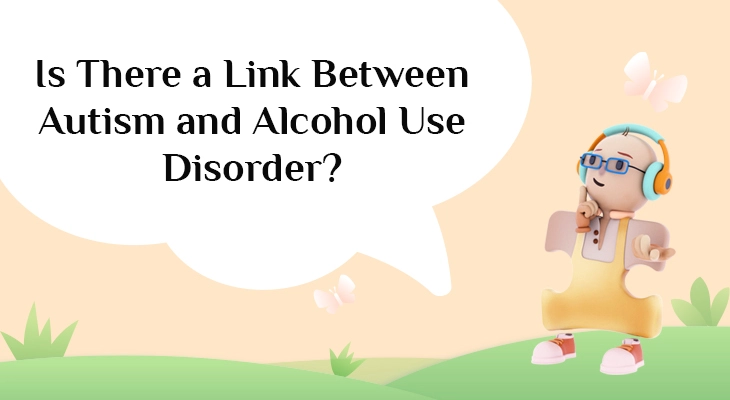
If you’re autistic, or love someone who is, you may have wondered: does autism make someone more likely to struggle with alcohol use disorder (AUD)? The answer is far more nuanced than a simple yes or no. While research shows most autistic people drink less alcohol and are more likely to be abstinent than neurotypical peers, a subset of autistic people face disproportionate risk of AUD — often because of unmet support needs, undiagnosed autism, or the pressure to navigate a world not built for neurodivergent people.
What the Research Says About Autism and Alcohol Use
The broad population-level data tells a surprising story: autistic adults consistently report lower rates of alcohol use and higher rates of lifetime abstinence than neurotypical peers. A 2022 study of adolescents in the general population found that higher levels of autistic traits (including reduced social interest, strong attention to detail, and nervousness in new situations) were linked to lower rates of binge drinking and fewer drinks per drinking occasion across ages 14, 16, and 18.
But this broad trend hides some critical nuances. The link between autism and alcohol use disorder is almost exclusively seen in two groups:
- Autistic people with less severe support needs, who are often undiagnosed (especially women and low-income people, who are drastically underdiagnosed with autism)
- Autistic people with high rates of co-occurring conditions, including ADHD, anxiety, depression, PTSD, or sensory processing differences.
A 2006 study from the UK Mental Health Foundation, cited by the National Autistic Society, found that 65% of people receiving treatment for alcoholism had undiagnosed autism — a stat that highlights how many autistic people fall through the cracks, turning to alcohol to cope with unrecognized needs.
Why Do Some Autistic People Develop Alcohol Use Disorder?
For the autistic people who do struggle with AUD, alcohol use is rarely just about “partying” or social pressure. It is almost always a form of self-medication for unmet needs that the neurotypical world may fail to accommodate:
1. Coping with unmanaged sensory overload
Many autistic people experience sensory hypersensitivity: loud noises, bright lights, strong smells, or unexpected touch can feel physically painful or overwhelming. Alcohol’s numbing, sedative effect can temporarily reduce the intensity of these sensory experiences, making it easier to exist in overstimulating environments like busy workplaces, social events, or even grocery stores. A 2023 study in the American Journal of Occupational Therapy found that sensory processing difficulties are directly linked to higher alcohol use in autistic adults.
2. Reducing the exhaustion of social masking
Most autistic people are expected to “mask” their autistic traits in social and professional settings: forcing eye contact, suppressing stims, rehearsing small talk, and mimicking neurotypical body language to avoid being seen as “weird.” This masking is extremely mentally and physically draining, and many autistic people use alcohol to lower the energy required to perform neurotypical social norms, or to feel more “relaxed” in social spaces where they would otherwise feel anxious or out of place.
3. Managing co-occurring mental health conditions
Autistic people are 3-4 times more likely to experience anxiety, depression, and PTSD than neurotypical peers, often as a result of chronic stigma, bullying, social isolation, and the stress of navigating an unaccommodating world. Alcohol is a commonly used coping mechanism for these conditions, especially when access to mental health care that understands autism is limited.
4. ADHD and executive dysfunction
ADHD co-occurs in 30-50% of autistic people, and ADHD itself is a well-documented risk factor for AUD. Impulsivity, difficulty with emotional regulation, and executive dysfunction (struggles with planning, impulse control, and delaying gratification) can make it harder for autistic people with ADHD to moderate alcohol use, even when they want to.
Does Autism Change How Alcohol Affects the Body and Brain?
Yes. Neurodivergent people process alcohol differently than neurotypical peers, for a few key reasons:
- Many autistic people have lower alcohol tolerance, and may experience more intense negative effects (anxiety, sensory overload, migraines, or severe hangovers) even after small amounts of alcohol.
- Autistic people are more likely to have atypical reactions to alcohol: some feel more anxious or overstimulated rather than relaxed, while others experience heightened euphoria or reduced inhibitions that can lead to riskier behavior.
- The cycle of alcohol use and withdrawal can be more disruptive for autistic people: hangovers often include increased sensory sensitivity, brain fog, and emotional dysregulation, which can make it harder to cope with daily demands, leading to more alcohol use to relieve these symptoms.
Why Autistic People With AUD Are Often Failed by Treatment
Even when autistic people seek help for AUD, they often face barriers that make recovery almost impossible:
- Missed autism diagnoses: Clinicians focused on treating substance use often fail to recognize autistic traits, especially in undiagnosed women and marginalized groups. Without an autism diagnosis, patients don’t get access to accommodations or support for the root causes of their alcohol use.
- Inaccessible standard treatment: Most mainstream AUD programs are built for neurotypical people. 12-step programs, for example, often involve loud, unstructured group settings, pressure to share personal stories publicly, and unspoken neurotypical social rules that can be overwhelming or even retraumatizing for autistic people.
- Treatment that doesn’t address root causes: Standard AUD care often focuses only on stopping alcohol use, without addressing the underlying reasons an autistic person turned to alcohol in the first place: sensory overload, masking burnout, trauma, or unmanaged co-occurring conditions. Without addressing these needs, relapse is extremely common.
Neurodivergent-Affirming Support for Autistic People With AUD
Recovery for autistic people looks different than it does for neurotypical people, and it starts with addressing the root causes of alcohol use, not just the use itself:
- Seek an autism diagnosis (if accessible): For many people, a formal diagnosis is life-changing. It explains why they’ve struggled to cope in neurotypical spaces, and opens the door to accommodations, coping strategies, and support that reduce the need to self-medicate with alcohol.
- Find neurodivergent-affirming AUD care: Look for treatment providers who specialize in working with neurodivergent people, or who are willing to adapt their approach to accommodate sensory needs, communication preferences, and social comfort. This might mean smaller group sizes, structured sessions, options for one-on-one therapy, sensory-friendly spaces, and no pressure to make eye contact or share personal stories publicly.
- Address root causes first: If alcohol use is driven by sensory overload, prioritize sensory accommodations: noise-canceling headphones, fidget tools, scheduled downtime, and the ability to leave overstimulating spaces without penalty. If it’s driven by social anxiety or masking, seek out neurodivergent-affirming social spaces where masking is not required, or social skills support that teaches self-advocacy rather than masking.
- Connect with peer support from other autistic people in recovery: Shared lived experience is one of the most powerful tools for recovery. Groups run by and for autistic people in recovery understand the unique challenges of navigating AUD as a neurodivergent person, and can offer practical, compassionate support that mainstream programs cannot.
- Use harm reduction if abstinence is not your goal: For people not ready to quit alcohol entirely, harm reduction approaches (setting limits on drinking, planning safe transportation, having a support person check in on you, using alcohol only in low-stimulation spaces) can reduce risk while you work on addressing the underlying needs driving your use.
Some Important Takeaways
There is no universal link between autism and AUD: most autistic people drink less than neurotypical peers, but a subset (often undiagnosed, or with high co-occurring mental health or sensory needs) face disproportionate risk.
Alcohol use in autistic people is almost always a response to unmet needs: sensory overload, social masking exhaustion, unmanaged mental health conditions, or lack of access to support. Standard AUD treatment is often inaccessible and ineffective for autistic people, because it does not accommodate neurodivergent needs or address root causes of use. Recovery is possible for autistic people with AUD, but it often times requires neurodivergent-affirming care that centers the individual’s unique needs and experiences.
If you or someone you love is struggling with alcohol use, you are not alone. The right support exists, and your needs deserve to be met.
Disclosure:
The information provided in this blog is for general informational and educational purposes only. It must not be construed as medical advice. The content contained within is based on personal research, experiences, and opinions, and is not a substitute for professional medical advice, diagnosis, or treatment. Always seek the advice of your physician or another qualified health provider with any questions you may have regarding a medical condition.
FRAT® is not an FDA approved test. FRAT® is a lab developed test and performed in a CLIA certified lab. FRAT® requires the authorization of a physician.