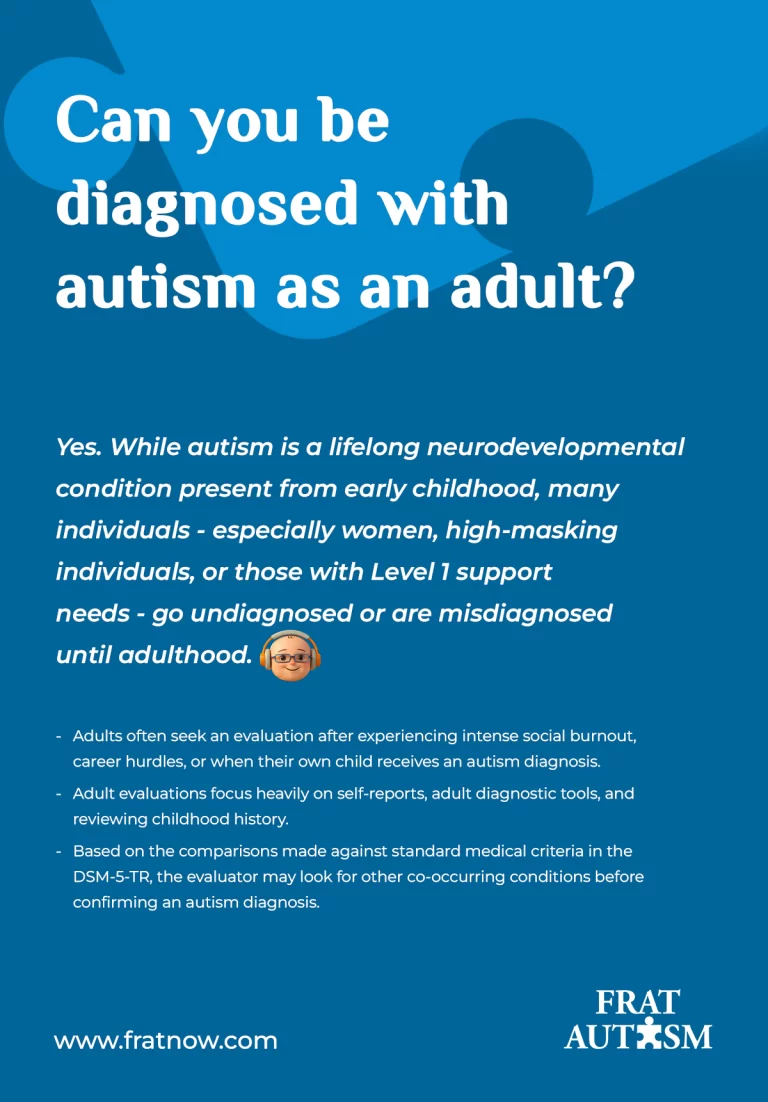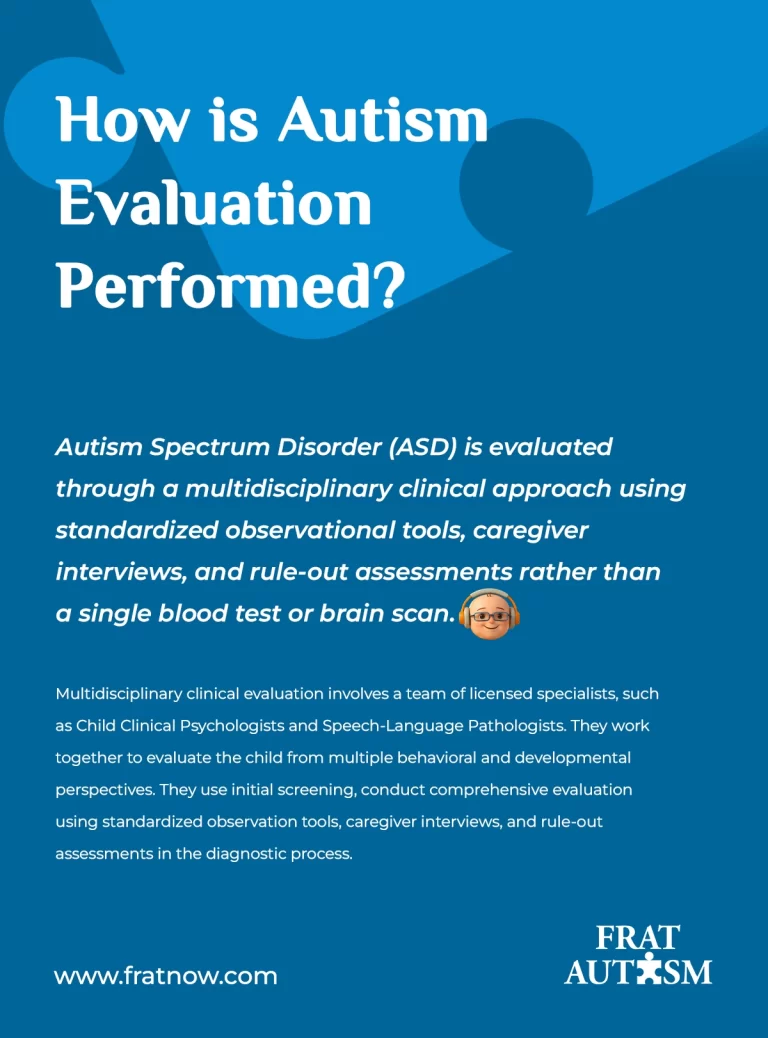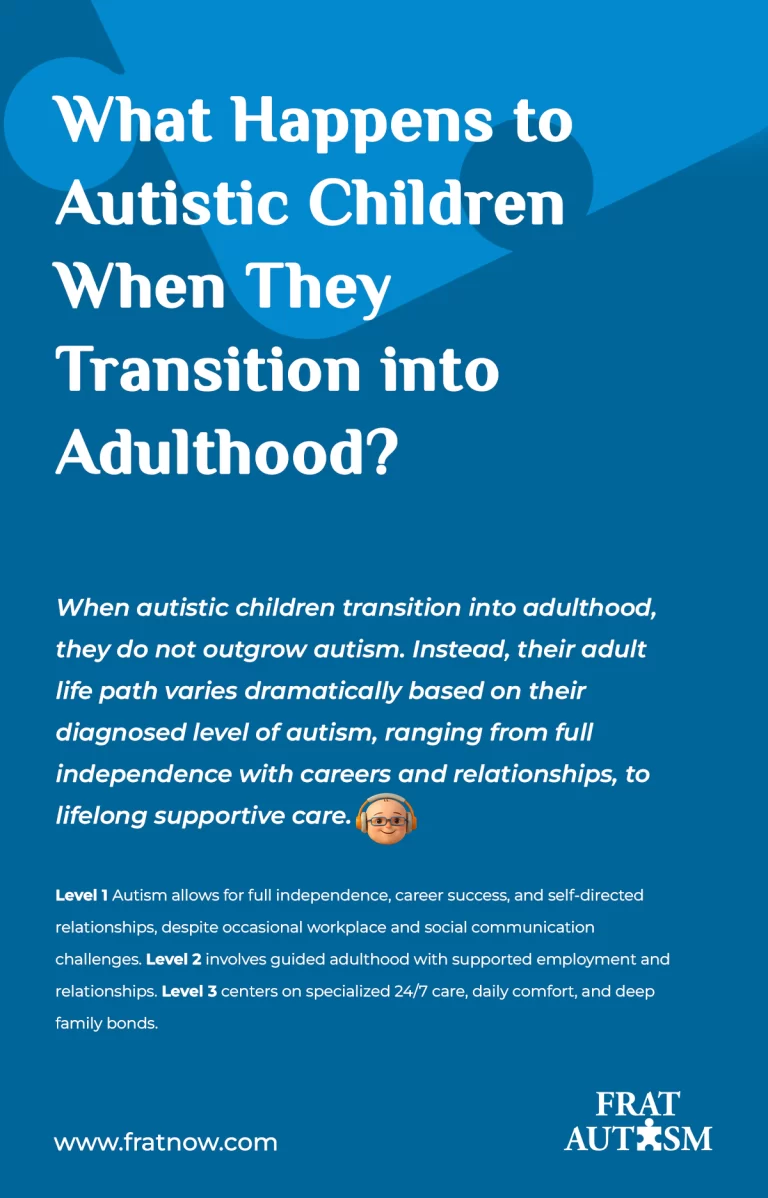

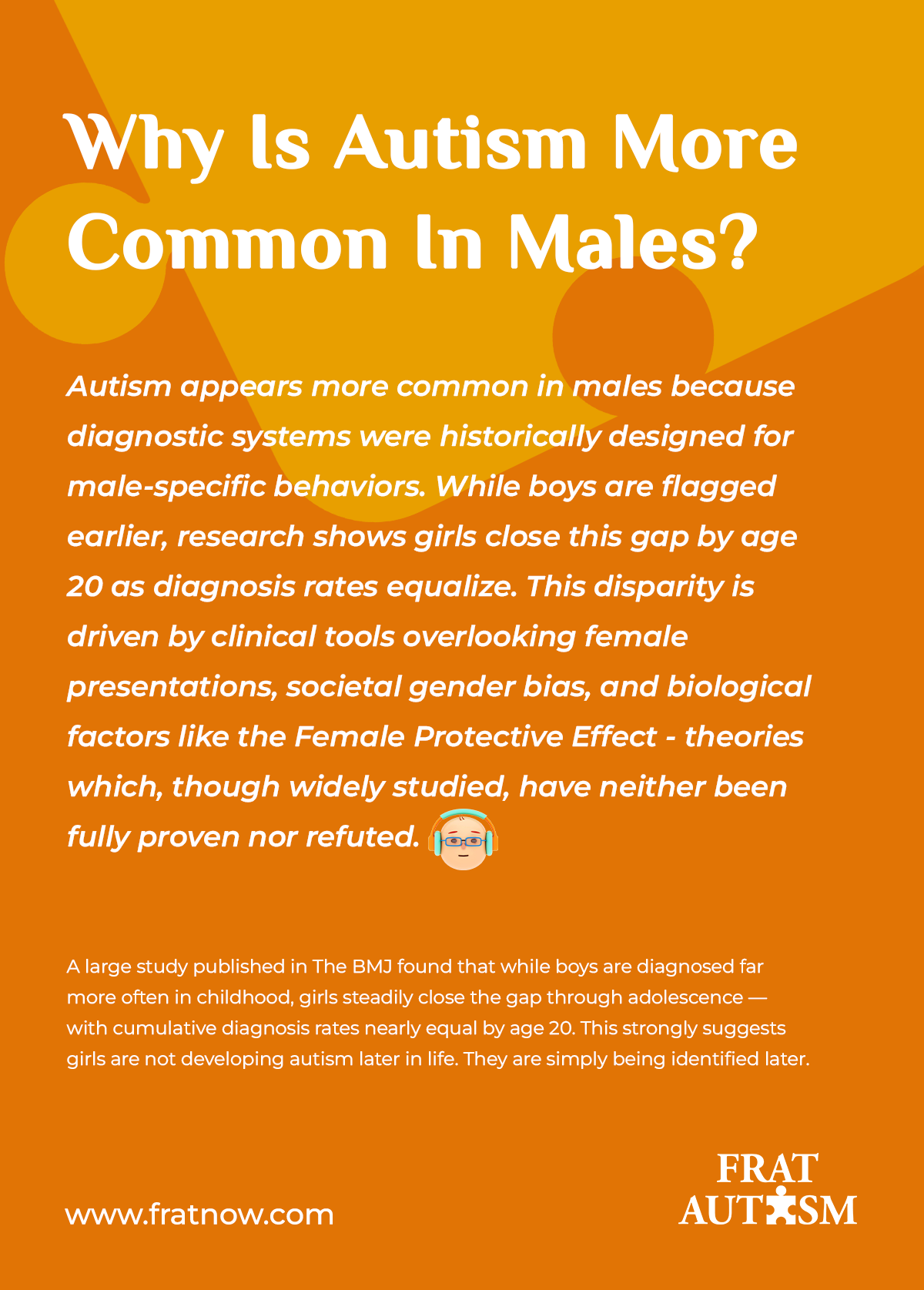
Autism appears more common in males because our diagnostic systems were historically built to identify male-specific behaviors. While boys are often flagged in early childhood, research shows that girls steadily close this gap as they age—reaching nearly equal diagnosis rates by age 20. The disparity is driven by a combination of societal gender bias, clinical tools that overlook female presentations, and potential biological factors like the Female Protective Effect – theories which, though widely studied, have neither been fully proven nor refuted.
Societal Bias
Societal expectations shape what gets noticed long before a child reaches a clinician. A girl who avoids group play or prefers solitary activities is typically seen as quiet or well-behaved. The same behaviour in a boy is far more likely to raise concern and trigger a referral. This consistent filter across homes, schools, and healthcare settings means many girls are accommodated rather than assessed.
Diagnostic Bias
Early autism research focused predominantly on boys — because boys were the ones being flagged. The clinical screening tools that followed were built almost entirely around how autism presents in males. When a girl’s experience does not match that male-centred profile, she scores below the diagnostic threshold — not because she is not autistic, but because the system was never designed to find her. This is further explained in detail in our guide on how autism presents differently in girls vs boys.
Biological Theories
Biology does contribute, though no theory has been fully confirmed. The most widely discussed is the Female Protective Effect — where females require a higher load of genetic mutations before traits become clinically noticeable. Prenatal testosterone exposure and X-chromosome advantages have also been studied as potential factors.
What the Data Shows
A large study published in The BMJ found that while boys are diagnosed far more often in childhood, girls steadily close the gap through adolescence — with cumulative diagnosis rates nearly equal by age 20. This strongly suggests girls are not developing autism later in life. They are simply being identified later.
The diagnosis gap between males and females is real, but it is not purely biological. Much of it reflects the limitations of the systems built to detect autism in the first place.
Understanding Cerebral Folate Deficiency in Autism
Research shows that up to 75–80% of children with autism may have Cerebral Folate Deficiency (CFD), a condition where the brain is starved of essential folate despite normal levels in the blood. This deficiency is often caused by Folate Receptor Autoantibodies (FRAAs), which physically block folate from crossing the blood-brain barrier.
When a brain is deprived of this essential nutrient, it can lead to neurological irritability and cognitive delays that make traditional behavioral therapies much harder for a child to process. The FRAT® Test identifies these auto-antibodies, revealing a biological reason why a child might be struggling to make progress. By addressing this underlying deficiency with targeted treatments like Folinic Acid, clinicians can restore the brain’s chemical foundation. This biological support ensures the child is in the best possible physiological state to benefit from and engage with their behavioral and educational therapies.
Curious to know if your child has these autoantibodies?
Here’s what you can do:




Is a Biological Roadblock Holding Back Your Child's Progress?
Don't just manage behaviors - address the underlying brain chemistry.
Identifying Folate Receptor Autoantibodies is the first step towards a more targeted autism care plan.
To request a FRAT® test kit, click the button below.